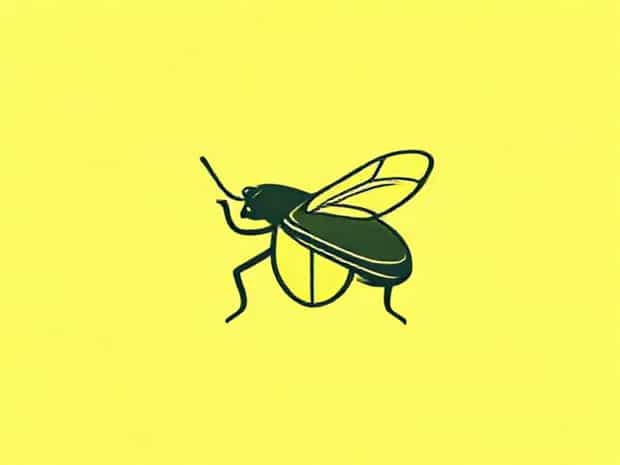
Is A Whirligig Beetle A Secondary Consumer
In the natural world, every organism plays a role in the food chain, helping to maintain balance in its ecosystem. One fascinating insect that often raises questions is the whirligig beetle, a small aquatic beetle known for its unique movement on the surface of water. People often wonder about its place in the food web and ask is a whirligig beetle a secondary consumer? To answer this, it is important to understand the concepts of primary and secondary consumers, the beetle’s diet, and how it fits into freshwater ecosystems where it thrives.
Understanding Consumers in the Food Chain
The food chain is a system that shows how energy flows from one organism to another. At the base of this system are producers, usually plants or algae, that make their own food through photosynthesis. Consumers, on the other hand, must obtain energy by eating other organisms. These consumers are divided into different levels.
Primary Consumers
Primary consumers are herbivores that feed directly on producers. In aquatic ecosystems, these can include small zooplankton, snails, or fish fry that feed on algae and plant material. They are essential because they transfer energy from producers up the food chain.
Secondary Consumers
Secondary consumers are carnivores or omnivores that feed on primary consumers. They often control the population of herbivores and help balance the ecosystem. Examples include frogs that eat insects, or small fish that feed on zooplankton.
Tertiary Consumers
Tertiary consumers feed on secondary consumers and are often predators at the top of their food chain. In aquatic environments, larger fish, birds, or mammals can fill this role.
The Whirligig Beetle’s Habitat
Whirligig beetles are commonly found on the surface of ponds, lakes, and slow-moving streams. They are recognizable because they move in rapid circles, creating a whirling pattern that gives them their name. These beetles are well adapted to both water and air, with divided eyes that allow them to see above and below the water surface simultaneously. This adaptation helps them avoid predators and locate prey efficiently.
Diet of the Whirligig Beetle
To determine whether the whirligig beetle is a secondary consumer, we need to look at what it eats. Whirligig beetles are carnivorous insects, and their diet consists mainly of
- Small insects that fall onto the water surface
- Larvae and tiny aquatic organisms
- Occasional plant material or detritus, though this is not their main food source
By feeding primarily on insects and small organisms that are themselves herbivores or decomposers, whirligig beetles function as secondary consumers. They occupy a level above primary consumers, playing a role in regulating populations of smaller aquatic organisms.
How Whirligig Beetles Hunt
These beetles are skilled predators despite their small size. They use their speed and agility to catch prey on the water’s surface. Their antennae are sensitive to vibrations, allowing them to detect struggling insects that land in the water. Once detected, the beetle captures and consumes its prey, transferring energy up the food chain. This behavior reinforces their classification as secondary consumers.
The Role of Whirligig Beetles in Freshwater Ecosystems
Whirligig beetles are more than just interesting insects; they serve an important role in maintaining ecological balance. By preying on insects and larvae, they help prevent overpopulation of species that could otherwise overwhelm aquatic environments. Their presence ensures energy continues to move efficiently through the ecosystem.
Predators of Whirligig Beetles
While whirligig beetles are predators, they are not at the top of the food chain. They are eaten by larger secondary and tertiary consumers, such as fish, amphibians, and birds. This makes them an important link in transferring energy upward in the food web.
Ecological Importance
By acting as both prey and predator, whirligig beetles demonstrate the interconnectedness of ecosystems. Their role as secondary consumers ensures a balance between producers, primary consumers, and higher-level predators.
Comparison With Other Aquatic Insects
To better understand the whirligig beetle’s place in the food chain, it helps to compare it with other insects
- Water stridersLike whirligig beetles, they prey on insects at the water surface, making them secondary consumers as well.
- Mayfly larvaeThese feed on algae and organic material, classifying them as primary consumers.
- Dragonfly larvaeKnown as fierce predators, they consume other insects and small fish, placing them higher as secondary or even tertiary consumers.
From this comparison, it is clear that whirligig beetles fit comfortably within the secondary consumer category.
Misconceptions About Whirligig Beetles
Some may assume that because whirligig beetles are small, they must be primary consumers or decomposers. However, their feeding habits prove otherwise. They do not primarily eat plants or algae, which distinguishes them from herbivores. Instead, their preference for living prey makes them important carnivorous insects in freshwater systems.
Adaptations That Support Their Role as Secondary Consumers
Whirligig beetles have several unique adaptations that help them thrive as predators
- Divided eyesAllowing them to monitor both the air and water for threats and prey.
- Streamlined bodiesEnabling quick and agile movements in circular patterns to capture prey.
- Sensitive antennaeDetecting vibrations on the water surface to locate struggling insects.
- Strong mandiblesHelping them consume insects effectively once captured.
These features ensure that whirligig beetles are efficient hunters, reinforcing their ecological niche as secondary consumers.
Human Interest and Scientific Study
Scientists and nature enthusiasts alike study whirligig beetles to better understand aquatic ecosystems. Their behavior, sensory adaptations, and role in the food web make them valuable subjects of ecological research. Observing how these beetles interact with their environment can provide insight into the health of freshwater habitats, as their presence often indicates a balanced ecosystem.
So, is a whirligig beetle a secondary consumer? The answer is yes. By feeding on insects and larvae that are primary consumers, whirligig beetles clearly occupy the role of secondary consumers in aquatic food chains. Their unique adaptations, hunting strategies, and ecological significance make them a key part of freshwater ecosystems. Though small in size, they play a big role in maintaining balance by linking lower and higher levels of the food web. Understanding their place in nature reminds us that even the smallest creatures contribute to the complex and interconnected system of life.
Word count ~1020