Is A Siren A Mythical Creature
Throughout history, myths and legends have fascinated people with tales of mysterious beings, and one figure that often sparks curiosity is the siren. Many ask the question is a siren a mythical creature? The answer lies in the world of ancient storytelling, where sirens first appeared as captivating figures who lured sailors to their doom with enchanting voices. Over time, their image has evolved, mixing with mermaid folklore and cultural interpretations. To understand their role as mythical beings, it is important to look at their origins, characteristics, and the ways they have been represented in literature, art, and modern culture.
Origins of the Siren in Mythology
The siren originates from Greek mythology, where these beings were depicted not as half-fish creatures but as part-woman and part-bird. They lived on rocky islands and sang irresistible songs that drew sailors toward danger. Ancient poets such as Homer described them in epic tales like the Odyssey, where Odysseus famously resisted their call by plugging his crew’s ears with wax while being tied to the mast. This story highlights the siren’s role as a mythical creature whose power lies not in physical strength but in manipulation and temptation.
Why Sirens Are Considered Mythical Creatures
Sirens are considered mythical because they do not belong to the natural world but rather to the realm of folklore and imagination. Like other mythical beings such as dragons, centaurs, or fairies, they embody symbolic meaning. In the case of sirens, they represent danger hidden beneath beauty and the destructive power of temptation. These qualities firmly establish them as part of mythology rather than reality.
Key Characteristics of Sirens
-
Enchanted voicesTheir most defining trait is their hypnotic song, which has the power to control human behavior.
-
Dual natureIn Greek art, they were often shown as women with birdlike features such as wings or claws.
-
Connection to the seaThough not originally mermaids, their home on rocky coasts made them symbols of maritime danger.
-
Symbols of temptationThey represent the peril of giving in to desire without caution or wisdom.
The Evolution of the Siren’s Image
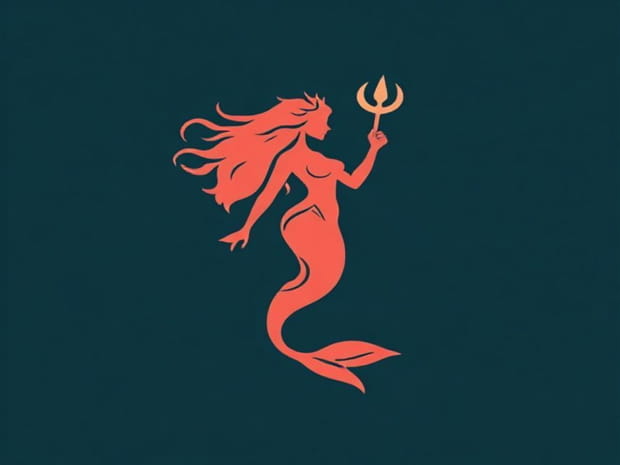
While early Greek mythology presented sirens as bird-women, their image began to shift during the Middle Ages. Over time, they were increasingly associated with the ocean and merged with mermaid folklore. Artists and storytellers began portraying sirens with fishtails rather than feathers, making them nearly indistinguishable from mermaids in later legends. This transformation shows how myths adapt to cultural changes, blending stories into new forms while keeping the core idea of enchantment and danger alive.
Sirens in Literature and Art
Sirens appear frequently in classical literature, most notably in Homer’s Odyssey. Later writers and poets also used sirens as symbols of seduction, danger, or forbidden knowledge. In art, they were depicted on vases, mosaics, and sculptures, often as birdlike women playing musical instruments. The shift to mermaid-like imagery became popular in medieval bestiaries and Renaissance paintings, where they symbolized both beauty and moral warning.
Modern Representations
In contemporary culture, sirens often appear in fantasy novels, films, and video games. While some versions stick to their mythological roots, others portray them as mermaid-like beings with alluring beauty. Modern adaptations usually highlight their dual nature beautiful yet dangerous, helpful yet threatening. Their presence in pop culture shows how enduring the fascination with sirens has been throughout centuries.
Comparisons Between Sirens and Mermaids
One of the most common sources of confusion is the difference between sirens and mermaids. Although they are sometimes portrayed as the same, there are distinct differences in their mythological origins
-
SirensOriginated in Greek mythology as bird-women who lived near the sea, symbolizing temptation and death.
-
MermaidsStem from various European folktales as half-woman, half-fish beings who could be benevolent or mischievous.
Over time, their identities blended, leading to the popular modern image of the siren as a dangerous mermaid. However, in classical mythology, the two were separate entities with different symbolic meanings.
Symbolism of the Siren
As mythical creatures, sirens carry deep symbolism that extends beyond their role in stories. They often represent
-
The dangers of temptationTheir alluring song is a metaphor for desires that lead people astray.
-
The unknown perils of the seaFor ancient sailors, the siren embodied the risks of venturing into unfamiliar waters.
-
Feminine powerTheir beauty and voice highlight the theme of attraction as a powerful and potentially destructive force.
Are Sirens Real or Just Mythical?
While sirens hold an important place in mythology, there is no evidence that they exist in reality. Historical encounters that sailors attributed to sirens were often linked to natural explanations, such as sightings of manatees or dugongs. Overactive imaginations, coupled with the mystery of the sea, likely gave rise to the legends. Thus, sirens remain firmly within the category of mythical creatures products of storytelling and symbolism rather than biological fact.
Why People Remain Fascinated by Sirens
The enduring appeal of sirens lies in their blend of beauty, danger, and mystery. They embody the idea that not everything attractive is safe and that curiosity can lead to destruction. These timeless lessons make them relevant even in modern times, as stories about resisting temptation and recognizing hidden dangers continue to resonate. Their adaptability in folklore also keeps them alive in new forms of storytelling, ensuring that sirens remain among the most recognizable mythical creatures in the world.
So, is a siren a mythical creature? Absolutely. From their origins in Greek mythology as birdlike women to their later fusion with mermaid legends, sirens have always belonged to the realm of myth. They serve as powerful symbols of temptation, the dangers of the sea, and the consequences of human desire. While they are not real beings, their legacy endures through literature, art, and popular culture. The siren’s haunting song continues to echo across centuries, reminding us of the fascination humans have with mythical creatures that blur the line between beauty and peril.