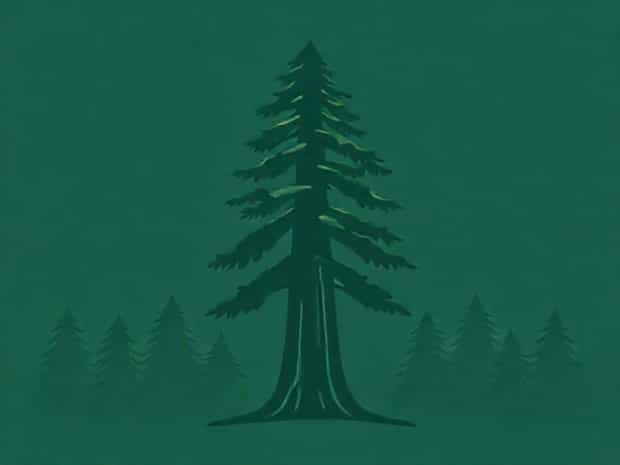
Is A Sequoia A Redwood
The giant trees of the western United States have fascinated people for centuries, with their towering heights and massive trunks inspiring awe and curiosity. Among these majestic trees, the terms sequoia and redwood often come up, leading to questions about whether they are the same or distinct types of trees. Understanding the differences and similarities between sequoias and redwoods requires a closer look at their scientific classification, physical characteristics, habitats, and ecological significance. Exploring these aspects helps clarify common misconceptions and highlights the incredible diversity of these iconic trees, which have become symbols of natural grandeur and environmental conservation.
Understanding Sequoias
Sequoias, often referred to as giant sequoias, belong to the species Sequoiadendron giganteum. These trees are primarily found in the Sierra Nevada mountain range in California and are renowned for their immense girth and longevity. Giant sequoias are among the largest trees by volume on Earth, with some individuals exceeding 30 meters in circumference and reaching heights of over 85 meters. Unlike some other tree species, sequoias have adapted to survive for thousands of years, with thick bark that resists fire and insect damage, as well as specialized cones that release seeds in response to heat.
Key Characteristics of Sequoias
- Thick, fibrous bark that can exceed 60 centimeters in depth.
- Needle-like leaves arranged spirally on branches.
- Conical shape in younger trees, becoming more irregular with age.
- Reproduction through small, egg-shaped cones containing numerous seeds.
- Extremely long lifespan, with some trees over 3,000 years old.
Understanding Redwoods
Redwoods, on the other hand, generally refer to the coast redwood, scientifically named Sequoia sempervirens. These trees grow along the coastal regions of northern California and southern Oregon, thriving in the moist, fog-laden environment. Coast redwoods are the tallest trees on Earth, capable of exceeding 115 meters in height, although their trunks are generally slimmer compared to giant sequoias. Redwoods have a distinctive reddish-brown bark and a crown that spreads broadly, capturing sunlight in dense forests. Their ability to regenerate from sprouts, known as basal burls, allows them to survive even after damage from storms or logging.
Key Characteristics of Redwoods
- Extremely tall and slender, with heights surpassing 100 meters.
- Thinner bark than sequoias, typically 30-40 centimeters thick.
- Needle-like leaves that are flat and arranged in a linear pattern.
- Reproduction through small cones, as well as vegetative sprouting.
- Growth favored by coastal fog and consistent moisture.
Comparing Sequoias and Redwoods
While sequoias and redwoods share the same family, Cupressaceae, they belong to different genera Sequoiadendron for giant sequoias and Sequoia for coast redwoods. This distinction explains some of the differences in their size, shape, and habitat preferences. Giant sequoias are more massive in volume and often grow inland, whereas coast redwoods are taller and thrive in coastal conditions. Despite these differences, both types of trees are sometimes colloquially referred to as redwoods, which can lead to confusion. Understanding their scientific classification helps clarify that while all sequoias can be called redwoods in a general sense, not all redwoods are sequoias.
Differences at a Glance
- HeightCoast redwoods can exceed 115 meters, while giant sequoias typically reach 85 meters.
- Trunk VolumeGiant sequoias have a larger trunk volume compared to redwoods.
- BarkSequoias have thicker, fibrous bark; redwoods have thinner, smoother bark.
- HabitatSequoias grow in Sierra Nevada mountains; redwoods thrive along the northern California coast.
- ReproductionBoth produce cones, but redwoods can also regenerate from burls.
Ecological Significance
Both sequoias and redwoods play vital roles in their ecosystems. These trees provide habitat for countless species, including birds, mammals, and invertebrates. Their massive trunks store carbon, helping mitigate climate change, and their forests regulate local climates and maintain soil stability. Old-growth forests of sequoias and redwoods are particularly important for biodiversity, as they host complex ecological communities. Conservation efforts for both types of trees have increased over the years, emphasizing their importance not only as natural wonders but also as essential components of healthy ecosystems.
Environmental Contributions
- Carbon sequestration through long lifespans and massive biomass.
- Habitat for endangered and endemic species.
- Soil stabilization and water regulation in forested regions.
- Protection against erosion and natural disasters through dense root systems.
- Support for biodiversity in complex forest ecosystems.
Human Interaction and Conservation
Humans have long been fascinated by both sequoias and redwoods, leading to extensive tourism, logging, and scientific study. While logging historically threatened many of these trees, national parks and protected areas now preserve significant populations. Notable examples include Sequoia National Park and Redwood National and State Parks, which protect both giant sequoias and coast redwoods. Visitors can experience these natural wonders through hiking trails, educational programs, and guided tours, learning about their ecological importance and the need for continued conservation. Sustainable management ensures that future generations can witness the grandeur of these extraordinary trees.
Conservation Efforts
- Establishment of national parks and protected forests.
- Monitoring of tree populations for health and growth.
- Research on climate resilience and adaptation strategies.
- Public education programs to promote conservation awareness.
- Protection from logging and deforestation pressures.
a sequoia is indeed a type of redwood, but it belongs to a specific species known as Sequoiadendron giganteum. While both sequoias and coast redwoods share similarities as majestic, long-lived trees within the Cupressaceae family, they differ in size, shape, habitat, and certain ecological adaptations. Giant sequoias are massive and inland-dwelling, whereas coast redwoods are taller and flourish along coastal regions. Understanding these distinctions helps clarify common misconceptions and highlights the incredible diversity within the redwood family. Both types of trees are vital for ecological balance, carbon storage, and biodiversity, making them irreplaceable natural treasures worthy of admiration and protection for generations to come.