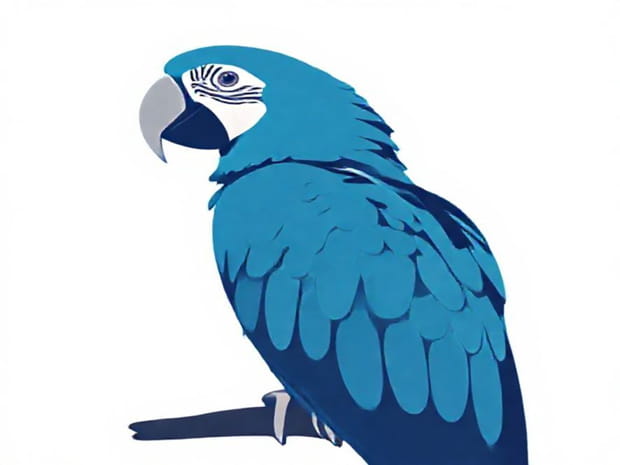
Is A Macaw A Parrot
When observing a macaw in its vibrant plumage and lively behavior, many people wonder whether it is truly a parrot or a distinct species altogether. Macaws are often recognized for their large size, bright feathers, and social intelligence, making them popular in aviculture and wildlife education. Understanding whether a macaw is a parrot involves exploring its taxonomy, physical characteristics, behavior, and relation to other members of the parrot family. This discussion helps clarify the common misconceptions and provides insight into one of the most fascinating groups of birds in the world.
What Defines a Parrot?
Parrots belong to the order Psittaciformes, a diverse group of birds known for strong, curved beaks, zygodactyl feet (two toes pointing forward and two backward), and an ability to mimic sounds. They are found across tropical and subtropical regions worldwide, with a wide variety of species ranging in size, color, and habitat preference. Key characteristics of parrots include
- Strong, hooked beaks designed for cracking nuts and seeds.
- Highly intelligent behavior, often capable of problem-solving and mimicry.
- Bright, colorful feathers in many species, used for communication and mating displays.
- Social behavior, often forming flocks or maintaining close bonds with mates.
- Vocal abilities, which allow them to communicate within their social groups and sometimes imitate human speech.
Macaws and Their Classification
Macaws are a subgroup within the parrot family and are classified under the family Psittacidae. They belong to the tribe Arini, which includes other New World parrots, such as conures and parakeets. Macaws are native to Central and South America, where they inhabit rainforests, savannas, and wooded regions. They are distinguished by their large size, long tails, and vibrant coloration, which sets them apart visually from many other parrots.
Physical Characteristics of Macaws
- SizeMacaws are among the largest parrots, with some species reaching up to 40 inches in length from beak to tail.
- ColorationTheir feathers display brilliant blues, reds, yellows, and greens, often in striking patterns unique to each species.
- BeaksPowerful and curved, ideal for cracking nuts, seeds, and even hard fruits.
- TailsLong, tapering tail feathers, which aid in balance and display.
- Facial MarkingsBare facial patches around the eyes, a distinctive feature of most macaw species.
Behavior and Intelligence
Macaws share many behavioral traits with other parrots, making them highly intelligent and social birds. They often form strong bonds with their mates and family groups, displaying behaviors that suggest complex social structures. Like other parrots, macaws are capable of learning to mimic sounds and even human speech, though their communication is primarily used for social interaction within flocks. Understanding macaw behavior reinforces their classification as parrots and highlights the remarkable cognitive abilities of these birds.
Social Behavior
- Form tight family groups or flocks in the wild.
- Engage in mutual grooming, which strengthens social bonds.
- Display playful behaviors, such as swinging from branches and interacting with objects.
- Use vocalizations to coordinate movement, warn of predators, or attract mates.
Macaw Species and Diversity
There are approximately 17 recognized species of macaws, each varying in size, coloration, and habitat preferences. Popular species include the Blue-and-Gold Macaw, Scarlet Macaw, and Hyacinth Macaw, the latter being the largest of all parrot species. While all macaws share certain physical traits and behaviors, their diversity demonstrates the evolutionary adaptability of parrots in different environments. This variety also underscores why macaws are classified as parrots they share essential biological and behavioral traits with other members of the Psittacidae family.
Examples of Common Macaw Species
- Blue-and-Gold Macaw (Ara ararauna)Recognized for vibrant blue and yellow plumage and strong social bonds.
- Scarlet Macaw (Ara macao)Features red, blue, and yellow feathers and is widely known for its striking appearance.
- Hyacinth Macaw (Anodorhynchus hyacinthinus)The largest parrot species, with deep blue feathers and impressive size.
- Green-winged Macaw (Ara chloropterus)Noted for its red body and green and blue wing feathers.
Macaws in Captivity and Aviculture
Macaws are popular in aviculture due to their intelligence, colorful plumage, and engaging personalities. However, their care requires significant commitment, including large cages, mental stimulation, social interaction, and specialized diets. Like other parrots, macaws can live for several decades, emphasizing the responsibility involved in keeping them as pets. Understanding that macaws are parrots helps prospective owners appreciate the biological and behavioral needs they share with other members of the parrot family.
Considerations for Macaw Care
- Large, secure enclosures to accommodate their size and activity level.
- Varied diet including fruits, nuts, and seeds to maintain health.
- Mental enrichment through toys, training, and social interaction.
- Regular veterinary care to prevent and address common parrot health issues.
- Understanding social needs to prevent behavioral problems caused by isolation.
Are Macaws Parrots?
macaws are indeed parrots. Their classification within the Psittacidae family, combined with shared physical, behavioral, and cognitive traits, firmly establishes them as a subgroup of parrots. While they are distinctive due to their size, coloration, and long tails, their social intelligence, zygodactyl feet, strong beaks, and vocal abilities confirm their place within the parrot order. Recognizing macaws as parrots not only clarifies taxonomy but also deepens our appreciation for these magnificent birds and highlights the care, respect, and understanding they require both in the wild and in captivity.