Is A Louver A Damper
In heating, ventilation, and air conditioning (HVAC) systems, understanding the different components is essential for efficient design and operation. Two common elements encountered in ductwork and air distribution systems are louvers and dampers. While both are involved in controlling airflow, they serve distinct purposes and operate differently. Many people often confuse a louver with a damper, but clarifying the differences can enhance HVAC system performance, improve energy efficiency, and prevent operational issues. This topic explores what louvers and dampers are, their functions, similarities, differences, and applications to help readers grasp their roles in modern ventilation systems.
Defining a Louver
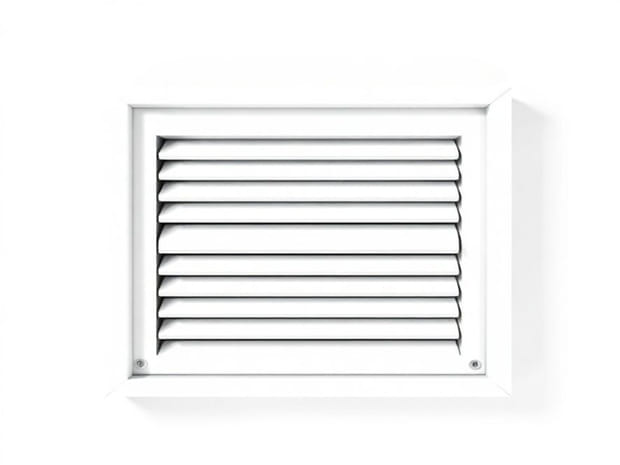
A louver is a device composed of angled slats or blades, typically installed in walls, doors, windows, or ducts to allow air passage while restricting light, rain, or debris. Louvers are designed primarily for ventilation and environmental protection rather than precise airflow control. They can be fixed or adjustable, and in many cases, their design helps maintain a balance between air movement and physical barriers against external elements. Louvers are commonly used in building exteriors to facilitate natural ventilation or in HVAC systems to provide air intake and exhaust openings.
Key Features of Louvers
- Airflow PassageLouvers allow air to flow freely while keeping out unwanted elements like rain, dust, or insects.
- Fixed or Adjustable BladesSome louvers have fixed blades at a set angle, while others can be adjusted to regulate airflow direction.
- Environmental ProtectionExterior louvers prevent water infiltration, direct sunlight, and debris from entering the system.
- Minimal Control FunctionLouvers do not significantly restrict or control the volume of air, unlike dampers.
Defining a Damper
A damper is a mechanical device installed in air ducts, chimneys, or vents to regulate airflow. Dampers control the volume of air moving through a system and can completely stop or partially restrict airflow. They are integral to HVAC systems, fire safety mechanisms, and energy-efficient designs. Dampers can be manually operated, motorized, or automatic, and they often work in conjunction with thermostats, sensors, and building management systems to maintain desired indoor conditions. Unlike louvers, the primary purpose of a damper is precise control of airflow rather than environmental protection.
Key Features of Dampers
- Airflow RegulationDampers can adjust, block, or redirect airflow within ducts or vents.
- Operational MechanismsDampers may be manual, pneumatic, or motorized for automatic control.
- Energy EfficiencyProperly adjusted dampers help maintain temperature zones and reduce energy consumption.
- Safety FunctionFire dampers close automatically during a fire to prevent smoke and flames from spreading.
Comparing Louvers and Dampers
Although both louvers and dampers are components of air distribution systems, they have distinct differences in function and design. Louvers are primarily passive devices that facilitate airflow while providing environmental protection. Dampers, on the other hand, are active control devices that regulate airflow precisely. Understanding these differences is crucial for engineers, building managers, and HVAC technicians to ensure proper system functionality.
Similarities
- Both are installed in ducts, vents, or openings in buildings and HVAC systems.
- Both interact with airflow and can influence air movement.
- Both can be designed to be adjustable, although the purpose of adjustment differs.
Differences
- PurposeLouvers protect against external elements and allow passive ventilation, while dampers control and regulate airflow actively.
- Control PrecisionDampers provide precise control over airflow volume, direction, and pressure, unlike louvers.
- MechanismLouvers often rely on static or simple adjustable slats, whereas dampers employ blades, gates, or baffles with mechanical actuation.
- Energy ImpactDampers influence HVAC energy efficiency by controlling air distribution, while louvers have minimal direct impact on system efficiency.
Applications of Louvers
Louvers are widely used in residential, commercial, and industrial settings for ventilation and environmental protection. Common applications include
- Exterior walls for natural ventilation in buildings.
- Air intake and exhaust openings in HVAC systems.
- Protection against rain, dust, and debris for equipment enclosures.
- Architectural design elements that balance aesthetics and airflow.
Applications of Dampers
Dampers are crucial for controlling air distribution and ensuring safety in HVAC systems. Their applications include
- Zone control in heating and cooling systems to maintain different temperatures in various rooms.
- Fire safety through fire dampers that prevent the spread of smoke and flames.
- Balancing airflow in complex duct systems for optimal comfort and efficiency.
- Integration with building management systems for automated climate control.
Can a Louver Function as a Damper?
While some adjustable louvers can influence airflow to a degree, they cannot replace a true damper. Louvers provide limited modulation of air passage but lack the precise control, sealing capability, and mechanical actuation that dampers offer. In some cases, a system may combine louvers and dampers, using louvers for environmental protection and dampers for airflow regulation. This combination ensures that air is properly directed, controlled, and filtered while maintaining building safety and comfort.
Key Considerations
- Do not rely on louvers alone for precise airflow regulation.
- Choose dampers when controlling volume, pressure, or direction of air is necessary.
- Combine both components for optimal protection and control in HVAC systems.
a louver is not a damper, although both interact with airflow in HVAC systems. Louvers are primarily designed for ventilation and environmental protection, allowing air to pass while preventing the entry of rain, debris, and unwanted elements. Dampers are mechanical devices built for precise control of airflow, influencing volume, direction, and pressure in ducts and vents. While adjustable louvers can affect air movement to some extent, they do not provide the control, safety functions, or energy management capabilities of dampers. Understanding the distinct roles of louvers and dampers is essential for designing effective ventilation systems, ensuring comfort, efficiency, and safety in residential, commercial, and industrial buildings.