Is A Louse An Insect
Lice are small, wingless parasites that live on the skin or hair of mammals and birds, and they have fascinated and troubled humans for centuries. Many people often wonder whether a louse is an insect or if it belongs to another type of organism. Understanding the classification of lice requires exploring their anatomy, life cycle, behavior, and their role in ecosystems and human health. Lice are indeed insects, but they possess unique adaptations that distinguish them from other members of the insect world. Their specialized biology makes them highly effective parasites and a subject of study in both medical and entomological sciences.
What Is a Louse?
A louse is a small ectoparasite, meaning it lives on the external surface of its host. Lice feed on blood, skin, or secretions from their host, depending on the species. There are three main types of lice that affect humans head lice, body lice, and pubic lice. Each type exhibits specific behaviors, preferred habitats, and modes of transmission. Lice are tiny, typically measuring only a few millimeters in length, but their presence can cause significant discomfort, itching, and in some cases, the transmission of diseases.
Anatomy of a Louse
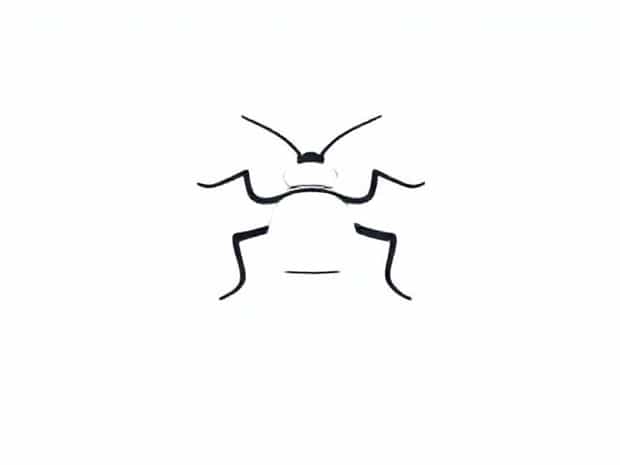
Lice exhibit typical insect characteristics, including a segmented body, six legs, and an exoskeleton. They are classified under the order Phthiraptera, which is part of the class Insecta. The body of a louse is divided into three main segments the head, thorax, and abdomen. Their legs are adapted for grasping hair or feathers, which helps them remain attached to their host. Unlike many insects, lice do not have wings, and they are unable to jump long distances. This wingless and flattened body structure allows them to move efficiently through hair or feathers.
- Head Contains mouthparts designed for piercing and sucking blood or feeding on skin.
- Thorax Houses the muscles that control the six legs.
- Abdomen Contains reproductive organs and other vital systems.
Lice as Insects
Lice are indeed classified as insects due to their anatomical features and life cycle. All insects share certain characteristics, including three body segments, six legs, and an exoskeleton made of chitin. Lice meet these criteria, despite lacking wings and possessing a highly specialized parasitic lifestyle. Their life cycle includes egg, nymph, and adult stages, which is typical of many insects. Nits, or lice eggs, are attached to hair shafts or feathers and hatch into nymphs, which then mature into adults.
Life Cycle of Lice
The life cycle of a louse begins with the laying of nits by adult females. Nits are small, oval-shaped eggs that adhere firmly to the host’s hair. After hatching, the nymph goes through several molts before reaching adulthood. The complete life cycle usually takes about three to four weeks, depending on environmental conditions and host availability. This cycle emphasizes their classification as insects because it follows the typical insect metamorphosis pattern from egg to adult.
- Egg (Nit) Laid on hair or feathers, firmly attached.
- Nymph Juvenile stage that resembles a smaller version of the adult.
- Adult Fully developed, capable of reproduction, and specialized for parasitism.
Types of Lice
Human lice are divided into three main species, each with unique characteristics and implications for health. Head lice (Pediculus humanus capitis) infest the scalp and hair, causing itching and irritation. Body lice (Pediculus humanus corporis) live in clothing and move to the skin to feed, sometimes transmitting diseases such as typhus. Pubic lice (Pthirus pubis), also known as crab lice, infest the coarse hair of the pubic region, causing localized itching. These species illustrate the diversity and adaptability of lice within the insect world.
Head Lice
Head lice primarily affect children and are transmitted through close contact. They are wingless and rely on crawling from hair to hair to spread. Although they do not transmit diseases, infestations can cause discomfort, secondary infections from scratching, and social stigma.
Body Lice
Body lice are larger than head lice and are associated with poor hygiene and crowded living conditions. They can transmit serious diseases such as epidemic typhus and trench fever. Unlike head lice, body lice live in clothing and move to the skin to feed, highlighting their unique ecological adaptation as insects.
Pubic Lice
Pubic lice infest coarse body hair, including the pubic region, chest, and sometimes eyelashes. They are transmitted primarily through sexual contact and are smaller and wider in shape than head and body lice. Their specialized anatomy reflects the adaptive versatility of lice as parasitic insects.
Lice and Human Health
Lice infestations, medically known as pediculosis, can have significant health and social implications. While head and pubic lice cause discomfort and itching, body lice can transmit potentially deadly diseases. Understanding that lice are insects helps scientists develop effective treatments and prevention strategies. Insecticides, medicated shampoos, and proper hygiene practices target lice as insects, using their biological characteristics to disrupt their life cycle and prevent infestations.
Prevention and Treatment
Preventing and treating lice infestations involves targeting their insect biology. Strategies include
- Regular inspection of hair and clothing for nits and adult lice.
- Using medicated shampoos and lotions designed to kill lice and nits.
- Washing clothing and bedding in hot water to eliminate lice in body infestations.
- Avoiding sharing personal items such as combs, hats, and towels.
- Educating communities about lice transmission and control measures.
Scientific and Educational Importance
Lice are also significant in scientific research and education. Studying lice helps entomologists understand insect evolution, parasitism, and host-specific adaptations. In medicine, examining lice informs public health initiatives and disease prevention strategies. Their classification as insects allows researchers to apply general insect biology principles to understand their behavior, reproduction, and ecological interactions.
Role in Ecosystems
Although often considered pests, lice play a role in natural ecosystems. They are part of the food web, serving as prey for certain birds and small insects. Lice infestations can also influence host populations by affecting health and reproductive success. Recognizing lice as insects helps contextualize their ecological roles and interactions within broader biological systems.
a louse is indeed an insect, belonging to the order Phthiraptera within the class Insecta. Despite being wingless and highly specialized as parasites, lice share fundamental insect characteristics such as a segmented body, six legs, and a structured life cycle with egg, nymph, and adult stages. Lice play important roles in human health, scientific research, and ecological systems. Understanding their classification as insects helps in developing effective prevention and treatment strategies, while also offering insights into their behavior, evolution, and interactions with hosts. Studying lice emphasizes the importance of combining entomology, medicine, and ecology to address both practical and theoretical challenges associated with these small but impactful creatures.