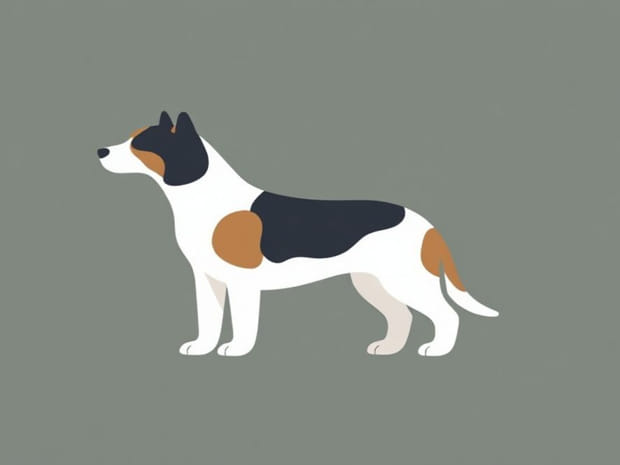
Is A Hound A Dog
Dogs have been humanity’s companions for thousands of years, serving as hunters, protectors, and loyal friends. Among the many breeds and classifications of dogs, the term hound often comes up, especially in discussions about hunting or dog shows. A common question that arises is whether a hound is simply a dog or something distinct. To answer this, it’s important to understand what defines a hound, how hounds differ from other types of dogs, and the roles they have historically played in human society. This explanation will clarify the classification and provide insight for dog enthusiasts, hunters, and casual pet owners alike.
Understanding the Term Hound
The term hound refers to a category of dogs originally bred for hunting due to their exceptional sense of smell, stamina, and tracking abilities. Hounds have been selectively bred over centuries to perform specific tasks in hunting, such as tracking game over long distances or pointing out prey for hunters. Unlike the general category of dog, which encompasses all breeds and types, hound identifies a functional group known for specialized hunting skills and distinct physical characteristics.
Types of Hounds
- Scent HoundsThese dogs rely heavily on their sense of smell to track prey. Examples include the Bloodhound, Basset Hound, and Beagle.
- SighthoundsThese hounds use keen eyesight and speed to chase and capture prey. Examples include Greyhounds, Whippets, and Salukis.
- Mixed-Use HoundsSome hounds combine traits of scent and sight hounds to perform various hunting tasks, offering versatility in tracking or chasing game.
Physical and Behavioral Traits of Hounds
Hounds are often recognized by certain physical and behavioral traits that set them apart from other dogs. Many hounds have long ears, deep chests, and lean bodies that support stamina and endurance in the field. Behaviorally, they tend to be alert, determined, and independent, often displaying strong hunting instincts. While hounds can make loyal pets, their natural drive for hunting may require proper training and mental stimulation to prevent boredom and unwanted behaviors.
Distinctive Features
- Scenting AbilityScent hounds possess an extraordinary sense of smell, allowing them to follow trails that humans cannot detect.
- Speed and AgilitySighthounds are built for speed and can sprint quickly to capture prey over open terrain.
- VocalizationMany hounds are known for baying or howling while on a trail, which historically helped hunters locate them.
- StaminaHounds are capable of long-distance tracking, making them ideal companions in hunting expeditions.
Hounds as Part of the Dog Family
It is essential to note that while hounds are a specific category of dogs, they are indeed dogs. The term dog refers to all domestic canines, encompassing every breed and type, including hounds, retrievers, shepherds, terriers, and toy breeds. Therefore, when asking Is a hound a dog? the answer is unequivocally yes. Hounds represent a functional classification within the larger dog family, characterized by hunting traits and abilities. This distinction is similar to how all apples are fruits, but not all fruits are apples hounds are a subset of dogs.
Hound Classification in Modern Dog Breeding
- In kennel clubs and dog shows, hounds are often grouped based on their historical hunting functions.
- Breed standards define the physical and behavioral traits expected of hounds, including size, coat type, and temperament.
- Hound breeds are popular in modern homes for their loyalty and intelligence, though they often need sufficient exercise due to their active nature.
Hounds in Hunting and Society
Historically, hounds played a critical role in hunting and human survival. Their ability to track game, chase prey, and alert hunters made them invaluable companions in both rural and urban settings. Beyond hunting, hounds have contributed to various aspects of human culture, including folklore, literature, and symbolism. For example, in many stories and myths, hounds represent loyalty, vigilance, and companionship. Today, while hunting remains a common role for hounds, many serve as family pets, show dogs, or participants in dog sports like lure coursing and tracking competitions.
Popular Hound Breeds and Their Roles
- BeagleKnown for scent tracking and friendly temperament, often kept as pets and hunting companions.
- BloodhoundFamous for exceptional scenting ability and used in search and rescue operations.
- GreyhoundPrimarily a sighthound, valued for speed in racing and companionship in households.
- Basset HoundA scent hound known for low stature and long ears, excellent for tracking small game.
Common Misconceptions About Hounds
Some people mistakenly believe that all dogs are hounds, but this is not the case. Dogs include a wide variety of breeds with different purposes, such as herding, guarding, or companionship. Hounds are specifically bred for hunting and tracking, which gives them unique traits. Another misconception is that hounds are aggressive; in reality, their behavior is often directed toward hunting rather than general hostility. Proper training, socialization, and exercise ensure that hounds are well-behaved family members.
Tips for Hound Owners
- Provide regular exercise to satisfy their high energy and hunting instincts.
- Engage in scent or tracking games to stimulate their natural abilities.
- Use positive reinforcement training techniques, as hounds can be independent and stubborn.
- Ensure socialization with other dogs and humans to develop friendly behavior.
In summary, a hound is indeed a dog, but it represents a specific category of dogs with specialized hunting traits and abilities. Hounds, whether scent or sighthounds, have historically served humans in hunting and tracking, and today they continue to provide companionship, sport, and assistance in various fields. Understanding the distinction between hounds and other types of dogs helps in appreciating their unique characteristics, selecting the right breed for your lifestyle, and recognizing their historical significance. Whether in the field, in dog shows, or as household pets, hounds exemplify the diversity and versatility of the canine family, reminding us that all hounds are dogs, but not all dogs are hounds.