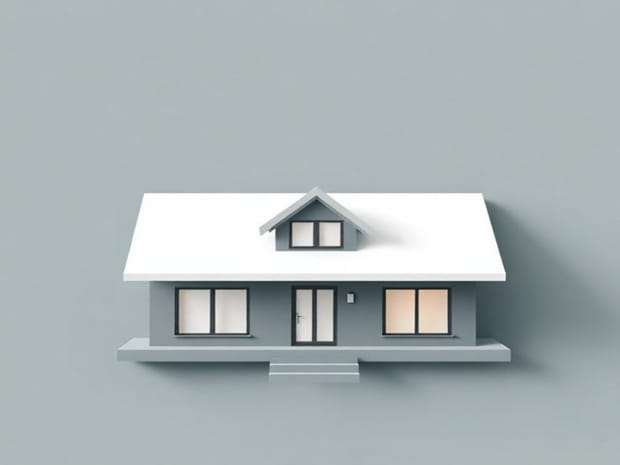
Is A Hipped Roof More Expensive
When planning a new home or renovating an existing one, the type of roof you choose significantly affects both the aesthetics and the budget. Among various roofing options, a hipped roof is often compared to gable roofs and other styles in terms of cost and complexity. Homeowners frequently ask whether a hipped roof is more expensive and why the price differs from other roofing designs. Understanding the factors that influence roofing costs, including materials, labor, structural complexity, and maintenance, can help homeowners make informed decisions that balance style, durability, and budget.
What Is a Hipped Roof?
A hipped roof, also known as a hip roof, slopes downward on all four sides of a building. The sides are typically equal in length and meet at a ridge or peak, forming a uniform, pyramid-like shape on rectangular or square homes. Unlike gable roofs, which have two sloping sides and vertical ends, hipped roofs have no vertical ends, providing a more stable structure that resists wind and weather. Hipped roofs are popular in areas prone to strong winds or heavy rainfall, as their design allows water and debris to slide off easily.
Types of Hipped Roofs
- Simple Hip RoofStandard design with four equal slopes meeting at a ridge.
- Cross-Hip RoofTwo or more hip roofs intersecting, common in more complex home layouts.
- Mansard RoofA variation of a hipped roof with a double slope on each side, often used for additional living space.
- Pavilion RoofA hipped roof on a square structure, sloping equally on all sides, resembling a pyramid.
Factors That Affect the Cost of a Hipped Roof
The cost of a hipped roof can vary widely depending on several factors. While hipped roofs are generally more expensive than gable roofs, the final price depends on the complexity of the design, materials chosen, labor rates, and regional construction costs. Evaluating these factors helps homeowners understand why a hipped roof may require a higher investment.
1. Complexity of Construction
Hipped roofs are more structurally complex than gable roofs. They require additional framing, supports, and precise angles to ensure stability and proper water drainage. The added complexity increases labor costs and the time required for installation. In particular, cross-hip or mansard designs involve more intricate carpentry and planning, making them significantly more expensive than simpler roof types.
2. Material Costs
Material selection impacts the total cost of a hipped roof. Common roofing materials include asphalt shingles, metal, clay tiles, and slate. Because a hipped roof has a larger surface area compared to a gable roof of the same footprint, more material is needed to cover it. For example, asphalt shingles or metal sheets must cover all four sloping sides, increasing both material expenses and waste from cuts and adjustments.
3. Labor Costs
Labor is a major component of roofing costs. The complexity of a hipped roof requires skilled carpenters and roofers, which increases labor rates. Additionally, cutting, fitting, and securing roofing materials on multiple slopes takes longer than installing a gable roof, further contributing to higher overall expenses. Regional labor costs and availability of experienced contractors can also influence the price.
4. Additional Features and Accessories
Hipped roofs often include additional features such as dormers, vents, skylights, and chimneys, which add to the total cost. Flashing and waterproofing are particularly important at the intersections of the slopes to prevent leaks. Proper installation of these components is more complicated on a hipped roof, requiring careful planning and higher-quality materials, which can increase the budget significantly.
Advantages of a Hipped Roof
While hipped roofs are generally more expensive, they offer several advantages that justify the higher cost for many homeowners. Understanding these benefits helps evaluate whether the investment aligns with long-term goals and property value.
Durability and Stability
Hipped roofs are structurally stronger than gable roofs, as all sides slope downward, providing better resistance to high winds, heavy snow, and other extreme weather conditions. This stability can reduce maintenance costs over time and enhance the overall safety of the home.
Improved Drainage
The multiple slopes of a hipped roof allow rainwater and snow to drain more efficiently, reducing the risk of leaks, water damage, and mold growth. This design makes hipped roofs ideal for regions with heavy rainfall or snow accumulation.
Enhanced Aesthetics and Property Value
Hipped roofs offer a more polished and balanced appearance compared to gable roofs. The uniform slopes add architectural interest, which can increase curb appeal and property value. Additionally, variations like mansard or cross-hip designs can provide additional living space, making them attractive for homeowners seeking both functionality and style.
Cost Comparison With Other Roof Types
On average, hipped roofs are more expensive than gable roofs due to the factors discussed above. For example, the cost per square foot for a simple asphalt shingle gable roof might range from $3 to $5, while a hipped roof could range from $4 to $7 or more, depending on size and complexity. Tile, metal, or slate hipped roofs can be significantly higher, reflecting the combination of material and labor costs. However, the long-term benefits of durability, aesthetics, and weather resistance can make a hipped roof a worthwhile investment.
Factors That Can Reduce Cost
- Choosing simpler hipped roof designs without additional dormers or complex intersections.
- Selecting cost-effective materials such as asphalt shingles rather than premium tiles or slate.
- Working with experienced contractors who can optimize labor efficiency and reduce waste.
- Incorporating modular or prefabricated components that simplify construction without compromising durability.
In summary, a hipped roof is generally more expensive than simpler roofing types like gable roofs due to increased structural complexity, larger surface area, higher labor requirements, and additional materials. Despite the higher cost, hipped roofs offer significant advantages, including durability, enhanced drainage, aesthetic appeal, and potential increases in property value. Homeowners should weigh the upfront investment against long-term benefits and consider design complexity, materials, and labor options when making a decision. Ultimately, choosing a hipped roof can be a smart financial and aesthetic choice for those seeking a reliable, attractive, and long-lasting roofing solution.