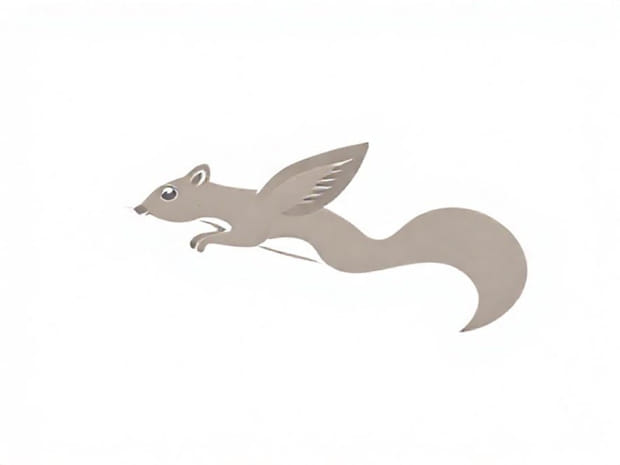
Is A Flying Squirrel A Squirrel
Flying squirrels are often subjects of curiosity and fascination due to their unique ability to glide between trees. Many people wonder whether these remarkable creatures are actually squirrels or belong to a different animal category. Despite their distinct adaptations for gliding, flying squirrels are indeed members of the squirrel family, scientifically known as Sciuridae. Understanding their classification, behavior, and ecological role helps clarify their identity and highlights the unique features that differentiate them from other types of squirrels.
Classification of Flying Squirrels
Flying squirrels belong to the order Rodentia, which encompasses all rodents, and are part of the family Sciuridae, making them true squirrels. Within this family, they are classified under the subfamily Pteromyinae. The term flying can be misleading, as these squirrels do not possess powered flight like birds or bats. Instead, they have a specialized membrane called a patagium, which stretches from their wrists to their ankles, enabling them to glide efficiently between trees. This adaptation is key to their survival in forested habitats.
Distinguishing Features
While they share many characteristics with tree squirrels and ground squirrels, flying squirrels exhibit several distinct features
- PatagiumA fur-covered membrane that allows gliding over distances up to 150 feet or more.
- Large EyesAdapted for nocturnal activity, providing excellent night vision.
- Flattened TailUsed for steering during glides and maintaining balance in trees.
- Soft FurHelps reduce air resistance while gliding and provides insulation during colder months.
Are Flying Squirrels True Squirrels?
Yes, flying squirrels are true squirrels. They share a common ancestry with other members of the Sciuridae family, which includes tree squirrels, ground squirrels, and chipmunks. Their skeletal structure, dentition, and overall physiology are consistent with other squirrel species. However, their gliding ability and nocturnal lifestyle are unique adaptations that set them apart within the squirrel family.
Genetic and Evolutionary Considerations
Genetic studies confirm that flying squirrels diverged from other tree squirrels millions of years ago, evolving specific adaptations for nocturnal gliding. These adaptations allowed them to exploit ecological niches that other squirrels could not, such as foraging at night to avoid predators and reaching food sources across gaps in the forest canopy. Despite these differences, their evolutionary lineage firmly places them within the squirrel family.
Behavior and Habitat
Flying squirrels are primarily nocturnal, which differentiates them from many tree squirrel species that are active during the day. They inhabit forests, woodlands, and areas with dense tree cover, using their gliding ability to move between trees while searching for food or escaping predators. Unlike ground squirrels, they rarely descend to the forest floor, relying on their gliding skill and agility to navigate the canopy.
Diet and Foraging
The diet of flying squirrels includes a variety of foods such as nuts, seeds, fruits, fungi, and insects. They often store food in tree cavities to prepare for winter months, similar to other squirrels. Their gliding ability allows them to access food sources spread across wide areas without exposing themselves to ground predators. This behavior reinforces their classification as squirrels, as caching and varied diets are common traits within the Sciuridae family.
Reproduction and Social Structure
Flying squirrels exhibit social and reproductive behaviors typical of squirrels. They build nests, called dreys, in tree cavities or branches, often lining them with soft materials for warmth and comfort. Breeding usually occurs once or twice a year, with females giving birth to litters of two to six young. Both parents may play a role in raising the young, and juveniles learn to glide and forage from their parents, much like other squirrel species.
Communication
Flying squirrels communicate using vocalizations, scent markings, and body language. Nocturnal activity necessitates reliance on sound and scent for social interactions, territory marking, and mating purposes. While they are generally quieter than some tree squirrels, these communication methods are essential for maintaining social structure and ensuring survival within their habitats.
Conservation Status
The conservation status of flying squirrels varies by species and region. Some species are common and face minimal threats, while others, particularly those in fragmented or threatened forests, may be at risk. Habitat destruction, deforestation, and human encroachment are the primary threats to flying squirrel populations. Conservation efforts focus on preserving forest habitats, maintaining tree cover, and minimizing human disturbance to ensure these gliding squirrels continue to thrive.
Human Interactions
Flying squirrels rarely interact directly with humans due to their nocturnal and arboreal lifestyle. However, they may be impacted indirectly through deforestation, urban development, and road construction. Educating communities about their ecological role and promoting the preservation of natural habitats helps maintain healthy populations. In some regions, flying squirrels are considered indicators of forest health, as their presence reflects a well-maintained ecosystem.
Unique Adaptations Compared to Other Squirrels
While flying squirrels share many traits with their tree squirrel relatives, their unique adaptations make them fascinating examples of evolutionary specialization. Their gliding membrane, nocturnal vision, and aerial agility allow them to exploit ecological niches unavailable to most other squirrels. These adaptations demonstrate how species within the same family can diverge to occupy different environmental roles while maintaining their fundamental squirrel characteristics.
Comparison with Tree and Ground Squirrels
- Tree SquirrelsDiurnal, strong climbers, rely on jumping between branches rather than gliding.
- Ground SquirrelsActive during the day, live on or near the ground, dig extensive burrows, and rarely climb.
- Flying SquirrelsNocturnal, arboreal, gliding capabilities, utilize tree cavities for nesting and storage.
In summary, flying squirrels are indeed squirrels, belonging to the family Sciuridae and sharing many characteristics with their tree and ground squirrel relatives. Their distinct gliding ability, nocturnal lifestyle, and specialized adaptations set them apart within the squirrel family, highlighting the diversity and evolutionary flexibility of Sciuridae. Understanding their classification, behavior, and ecological role not only clarifies their identity but also emphasizes the importance of preserving their forest habitats. By recognizing flying squirrels as true members of the squirrel family, we can appreciate their unique contributions to the ecosystem and work towards ensuring their continued survival in the wild.