Is A Farrier A Blacksmith
The terms farrier and blacksmith are often used interchangeably, but they refer to distinct professions with overlapping skills, especially in metalworking. Both professions have deep historical roots and are associated with horses and ironwork, yet the focus of their work and their training can differ significantly. Understanding the differences and similarities between a farrier and a blacksmith not only clarifies terminology but also highlights the specialized knowledge and craftsmanship required in each trade. This distinction is particularly important for horse owners, equestrian enthusiasts, and anyone interested in traditional trades.
Defining a Blacksmith
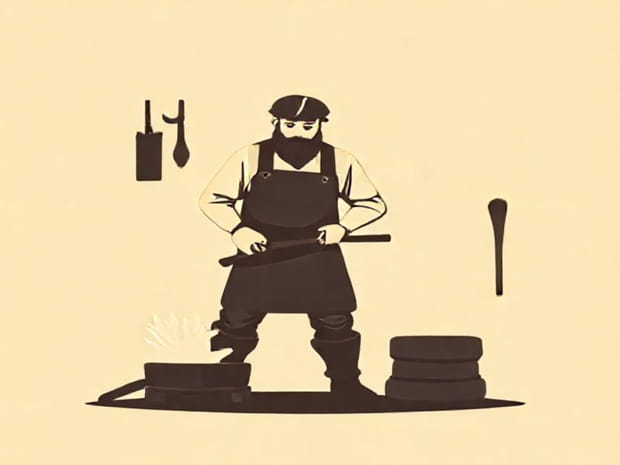
A blacksmith is a craftsman who works primarily with iron and steel to create or repair items using techniques such as forging, hammering, and welding. Historically, blacksmiths were essential to communities, producing tools, weapons, nails, horseshoes, and household items. The trade requires extensive knowledge of metals, heat treatment, and shaping techniques to produce functional and durable products. Blacksmithing has evolved over time, but traditional skills remain highly valued, and many blacksmiths today focus on artistic or decorative metalwork as well as functional items.
Key Skills of a Blacksmith
- MetalworkingShaping iron and steel using heat, hammers, anvils, and tongs.
- Forging TechniquesIncludes drawing, bending, punching, and twisting metal to form desired shapes.
- Repair and MaintenanceAbility to repair tools, gates, machinery parts, and metal objects.
- CreativityMany blacksmiths create decorative and artistic pieces such as railings, sculptures, and custom ironwork.
Defining a Farrier
A farrier is a specialist who focuses on the care and maintenance of horse hooves, particularly the fitting of horseshoes. Farriery combines knowledge of equine anatomy, hoof care, and metalworking. While farriers often make or adjust horseshoes, their work extends to diagnosing and correcting hoof problems, preventing lameness, and ensuring the overall health of a horse’s feet. Unlike blacksmiths, who work primarily with metal for a variety of purposes, farriers must understand how metal and hoof care intersect to maintain a horse’s mobility and well-being.
Key Skills of a Farrier
- Hoof CareTrimming, balancing, and shaping horse hooves to promote healthy growth.
- HorseshoeingCustom-fitting and attaching horseshoes to protect hooves from wear and injury.
- Equine AnatomyUnderstanding bone structure, tendons, and the biomechanics of a horse’s legs and feet.
- Problem SolvingIdentifying hoof disorders, lameness, or structural issues and providing corrective solutions.
Overlap Between Farriers and Blacksmiths
The skills of a farrier and a blacksmith overlap in the area of metalwork. Many farriers forge or shape horseshoes themselves, which requires knowledge of heating, shaping, and hardening metal skills central to blacksmithing. Historically, blacksmiths often doubled as farriers because communities needed both ironwork and horse care. Even today, a farrier who can forge custom horseshoes exhibits blacksmithing skills, though the primary focus remains equine care rather than general metalwork.
Differences in Focus
Despite shared skills in metalworking, the main difference lies in focus. A blacksmith’s work is broader and more varied, creating tools, objects, and artistic pieces beyond equine needs. In contrast, a farrier’s work is specialized and centered on the health and performance of horses. While blacksmiths may work in workshops producing a wide array of metal items, farriers often travel to stables, providing on-site care for horses and adjusting horseshoes as needed.
Training and Certification
Both professions require significant training, though the paths differ. Blacksmiths often learn through apprenticeships, vocational schools, or workshops focusing on metalwork. Mastery involves understanding metallurgy, forging techniques, and creative design. Farriers, on the other hand, undergo specialized education that combines anatomy, equine care, and horseshoeing skills. Certification programs and licensing exist in many countries to ensure farriers meet professional standards, emphasizing the importance of both technical and veterinary knowledge in their work.
Historical Context
Historically, blacksmiths and farriers were essential to rural communities. Blacksmiths created tools, nails, plows, and horseshoes, while farriers focused specifically on horse care. In medieval Europe, farriery evolved as a specialized branch of blacksmithing, combining equine expertise with metalworking skills. Over time, the two trades became more distinct, with farriery focusing increasingly on veterinary aspects of hoof care, while blacksmithing diversified into industrial, decorative, and artistic metalwork.
Tools and Equipment
Both blacksmiths and farriers use similar tools for metalwork, including hammers, anvils, tongs, and forges. However, farriers have additional tools specific to hoof care, such as hoof knives, rasps, nippers, and clinchers for attaching horseshoes. Blacksmiths may use larger forges and a variety of shaping tools to create diverse metal objects, whereas farriers’ tools are specialized for shaping, fitting, and securing horseshoes, reflecting the practical focus of their trade.
Modern Practices
Today, both blacksmiths and farriers continue to adapt their practices to modern needs. Blacksmiths may incorporate power hammers, welding equipment, and computer-aided design to produce precise or artistic metalwork. Farriers may use pre-made horseshoes, advanced hoof-care products, and protective techniques for competition or therapeutic purposes. Despite technological advances, traditional skills remain essential for both trades, preserving the craftsmanship that has defined these professions for centuries.
Why the Confusion Exists
The confusion between a farrier and a blacksmith often arises from historical overlap and shared metalworking skills. Since early farriers frequently forged their own horseshoes, the line between the two trades was blurred. Popular culture, literature, and movies have sometimes used the terms interchangeably, further contributing to misunderstanding. However, recognizing that a farrier is a specialized horse-care professional, while a blacksmith is a broader metalworker, clarifies the distinction.
Interesting Facts
- Farriers must balance their knowledge of blacksmithing with veterinary care to prevent horse injuries.
- Blacksmithing dates back thousands of years and was a critical trade in early human settlements.
- Some farriers still forge horseshoes by hand, maintaining traditional techniques alongside modern materials.
- The term farrier originates from the Latin word ferrarius, meaning ironworker.
- In equestrian sports, skilled farriery can significantly impact a horse’s performance and soundness.
while a farrier and a blacksmith share certain skills, especially in metalworking, they are not the same profession. A blacksmith works broadly with iron and steel to create tools, objects, and decorative items, while a farrier specializes in equine hoof care and horseshoeing. The overlap in forging skills is historical and practical, but the focus, training, and purpose of each trade remain distinct. Understanding this distinction highlights the specialized knowledge and craftsmanship required in both professions and underscores the importance of farriers and blacksmiths in preserving traditional skills and supporting modern equine care and metalworking practices.