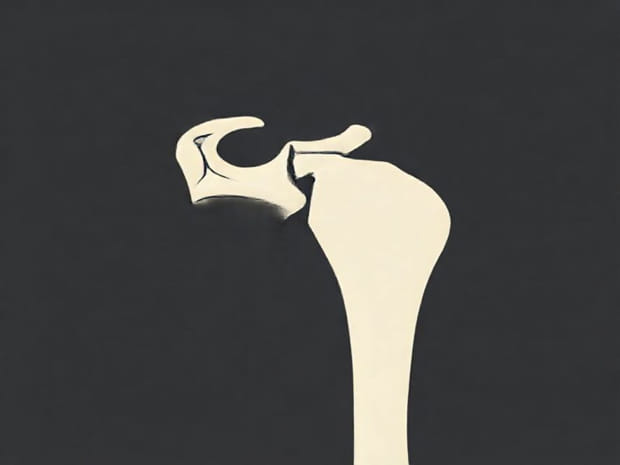
Intertubercular Groove Of Humerus
The intertubercular groove of the humerus is a significant anatomical feature of the upper arm bone that plays a crucial role in musculoskeletal function, particularly in shoulder movement and stability. This groove, also referred to as the bicipital groove, is a narrow, elongated depression located between the greater and lesser tubercles of the humerus. Its primary function is to provide a passage and anchoring site for the tendon of the long head of the biceps brachii muscle, facilitating smooth gliding during arm movement. Understanding the structure, function, and clinical importance of the intertubercular groove is essential for medical students, orthopedic professionals, and anyone studying human anatomy.
Anatomical Location and Structure
The intertubercular groove is situated on the anterior aspect of the proximal humerus, flanked laterally by the greater tubercle and medially by the lesser tubercle. It extends from the humeral head down toward the shaft, forming a channel that accommodates the long head of the biceps tendon. The groove’s walls serve as attachment points for several fibers of the shoulder’s musculature, including the pectoralis major, teres major, and latissimus dorsi muscles. These anatomical relationships are essential for coordinating complex shoulder movements and maintaining joint stability.
Components and Associated Structures
The intertubercular groove is not an isolated feature; it is closely associated with several key anatomical structures that support shoulder mechanics
- Long Head of Biceps Brachii TendonThis tendon runs through the groove, secured by the transverse humeral ligament, allowing smooth movement during flexion and supination of the forearm.
- Transverse Humeral LigamentA ligament spanning the groove that holds the biceps tendon in place and prevents dislocation during movement.
- Muscular AttachmentsPortions of the pectoralis major, latissimus dorsi, and teres major muscles insert around the groove, influencing rotation and adduction of the arm.
- Synovial SheathA protective lining that reduces friction between the biceps tendon and the bone, facilitating smooth gliding.
Functional Significance
The intertubercular groove serves several critical functions in the musculoskeletal system. By housing the tendon of the long head of the biceps brachii, it ensures efficient force transmission during arm flexion, supination, and lifting movements. The groove also provides leverage and stabilization to the shoulder joint, supporting coordinated motion of the upper limb. In addition, the groove allows the biceps tendon to glide smoothly without rubbing excessively against the humeral surface, preventing wear and potential injury. These functions underscore the importance of the intertubercular groove in maintaining upper limb mobility and strength.
Clinical Importance
Understanding the intertubercular groove is essential in clinical practice, particularly in orthopedics and sports medicine. Several conditions can affect this anatomical feature
- Biceps TendonitisInflammation of the long head of the biceps tendon, often caused by repetitive overhead activities, can lead to pain localized in the intertubercular groove.
- Shoulder ImpingementNarrowing of the groove or surrounding structures can result in tendon irritation and limited range of motion.
- Tendon Subluxation or DislocationDamage to the transverse humeral ligament or groove abnormalities may allow the biceps tendon to slip out of its groove.
- FracturesProximal humerus fractures can involve the tubercles or groove, affecting the insertion points of key muscles and tendons.
Diagnostic and Imaging Considerations
Imaging the intertubercular groove is important for diagnosing shoulder injuries and planning treatment. Techniques commonly used include
- X-rayUseful for identifying fractures or bony abnormalities of the humeral tubercles and groove.
- MRIProvides detailed visualization of soft tissue structures, including the biceps tendon, ligaments, and synovial sheath within the groove.
- UltrasoundA non-invasive option for assessing tendon movement and detecting inflammation or subluxation.
Accurate imaging of the intertubercular groove is crucial for diagnosing tendon disorders, planning surgical interventions, and monitoring healing after injury.
Surgical and Therapeutic Implications
The intertubercular groove is an important landmark in various surgical procedures, such as biceps tenodesis, where the tendon is anchored to the humerus to relieve pain or instability. Arthroscopic techniques often involve visualizing the groove to repair tendon tears or remove inflamed tissue. Physical therapy targeting the muscles around the groove can help restore function, reduce pain, and prevent recurrent injuries. Knowledge of the groove’s anatomy ensures safe and effective interventions, minimizing complications and enhancing recovery.
Relationship with Surrounding Muscles
The intertubercular groove interacts with multiple muscles that influence shoulder motion. The pectoralis major inserts on the lateral lip of the groove, contributing to arm adduction and internal rotation. The teres major inserts on the medial lip, assisting with internal rotation and extension. The latissimus dorsi also has fibers that blend near the groove, aiding in arm movement and stabilization. Understanding these relationships is essential for interpreting biomechanical function, planning surgeries, and designing rehabilitation programs.
Development and Variations
The shape and depth of the intertubercular groove can vary among individuals, affecting tendon stability and susceptibility to injury. Variations may include differences in groove width, depth, and orientation, influencing the likelihood of tendon subluxation or impingement. Developmental changes, aging, and repetitive activity can alter the groove’s anatomy over time. Recognizing these variations is important for personalized medical assessment and treatment planning.
Educational and Research Applications
Studying the intertubercular groove is essential for students, researchers, and clinicians. Anatomical models, cadaver dissections, and imaging studies are used to teach the groove’s structure, tendon relationships, and clinical significance. Research into tendon biomechanics, injury prevention, and surgical outcomes often focuses on the groove and associated structures. This knowledge enhances understanding of shoulder function, improves injury management, and informs the development of new therapeutic techniques.
The intertubercular groove of the humerus is a pivotal anatomical feature that supports the long head of the biceps brachii tendon, facilitates smooth shoulder motion, and anchors key muscles involved in upper limb movement. Its structural integrity and relationships with surrounding muscles, ligaments, and tendons are crucial for maintaining shoulder stability and function. Clinically, the groove is central to diagnosing tendon injuries, planning surgical interventions, and guiding rehabilitation. Understanding the intertubercular groove is essential for medical education, research, and clinical practice, emphasizing its role in musculoskeletal health and the intricate biomechanics of the shoulder.