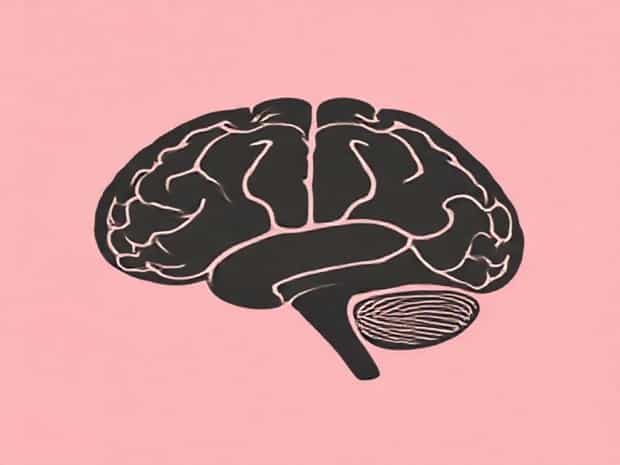
Intermediate Zone Of The Cerebellar Hemisphere
The cerebellum is a vital structure of the brain that plays a key role in coordinating voluntary movements, maintaining balance, and ensuring motor precision. Within the cerebellar hemisphere, there are distinct zones that have specialized functions, including the medial zone, the intermediate zone, and the lateral zone. Among these, the intermediate zone of the cerebellar hemisphere holds a significant position due to its role in controlling limb movements and fine-tuning motor activity. Understanding the intermediate zone provides insight into how the brain integrates sensory input with motor commands to achieve smooth, coordinated movements. This topic explores the anatomy, functions, neural connections, and clinical relevance of the intermediate zone in detail.
Anatomical Overview of the Cerebellar Hemisphere
The cerebellar hemisphere is divided into three longitudinal zones the medial zone (also called the vermis), the intermediate zone, and the lateral zone. The intermediate zone lies between the medial and lateral zones, flanking the vermis on each side. Structurally, it consists of cerebellar cortex layers, including the molecular layer, Purkinje cell layer, and granular layer. Each layer contains specialized neurons that process information received from various parts of the central nervous system. The intermediate zone is particularly involved in integrating proprioceptive feedback from the spinal cord to modulate limb movement precision.
Functional Significance of the Intermediate Zone
The primary function of the intermediate zone of the cerebellar hemisphere is the regulation of limb movements and distal muscle control. Unlike the medial zone, which primarily coordinates axial muscles for posture and balance, the intermediate zone ensures that movements of the arms and legs are smooth and accurate. It receives sensory input from the spinal cord regarding limb position and movement, processes this information, and sends corrective signals to the motor cortex and spinal cord to fine-tune ongoing movements. This zone is critical for performing tasks that require precise hand-eye coordination and agile limb movement.
Neural Connections of the Intermediate Zone
The intermediate zone maintains extensive neural connections with various structures in the central nervous system. These connections are organized to allow for effective feedback and feedforward control of limb movement.
Afferent Connections
The intermediate zone receives input primarily from the spinal cord via the spinocerebellar tracts. These tracts convey proprioceptive information from muscles and joints, informing the cerebellum about limb position, movement, and tension. Additionally, sensory information from the brainstem, including signals related to vestibular function and motor intention, is also integrated. This afferent input enables the intermediate zone to monitor ongoing limb movements in real-time.
Efferent Connections
Outputs from the intermediate zone are mainly directed toward the interposed nuclei, which consist of the emboliform and globose nuclei. These nuclei project fibers to the red nucleus and thalamus, which in turn influence motor neurons in the spinal cord and motor cortex. Through these pathways, the intermediate zone can correct errors in movement and ensure smooth execution of voluntary motor activity. The connections are crucial for adaptive motor control and learning new motor skills.
Role in Motor Coordination
The intermediate zone plays a central role in limb coordination by continuously comparing intended movement commands with actual sensory feedback. When discrepancies occur, the intermediate zone generates corrective signals that adjust muscle activity to prevent errors. For instance, if a person reaches for an object but misjudges the distance, the intermediate zone helps modify the arm trajectory to accurately reach the target. This function is essential for activities such as writing, typing, playing musical instruments, and athletic movements.
Proprioception and Feedback Control
Proprioceptive feedback is critical for the intermediate zone’s function. Muscle spindles and joint receptors send signals through the spinocerebellar tracts to the cerebellum. The intermediate zone interprets these signals and generates motor corrections, allowing for continuous adjustment during movement. This feedback mechanism is part of the cerebellum’s broader role in motor learning and adaptation, helping individuals improve precision and fluidity over time.
Clinical Significance of the Intermediate Zone
Damage to the intermediate zone of the cerebellar hemisphere can lead to distinct motor deficits. Lesions in this area typically affect limb coordination and distal muscle control while leaving axial posture relatively intact. This is in contrast to damage in the medial zone, which primarily affects balance and gait.
Signs and Symptoms of Intermediate Zone Lesions
- Intention TremorTrembling that occurs during voluntary movements of the limbs.
- AtaxiaLoss of coordinated limb movement, resulting in clumsiness or unsteady action.
- DysmetriaDifficulty in judging distances or controlling the range of motion, leading to overshooting or undershooting targets.
- HypotoniaReduced muscle tone, particularly in distal muscles of the arms and legs.
Diagnostic and Therapeutic Considerations
Neurological examination and imaging techniques such as MRI or CT scans can identify lesions in the intermediate zone. Physical therapy and occupational therapy often focus on retraining motor skills and improving limb coordination. Understanding the specific contributions of the intermediate zone helps clinicians design targeted interventions that address fine motor deficits while preserving overall motor function.
Comparisons with Other Cerebellar Zones
Comparing the intermediate zone to the medial and lateral zones provides a clearer picture of its specialized functions. The medial zone (vermis) regulates posture and axial muscle control, the lateral zone is involved in planning and initiating voluntary movements, and the intermediate zone bridges these functions by fine-tuning limb movements. This division of labor ensures that the cerebellum can coordinate both gross and precise motor activities efficiently.
Integration with Motor Cortex
The intermediate zone communicates closely with the motor cortex via thalamic relay nuclei. This integration allows for the adjustment of motor commands before they reach the spinal cord. By constantly refining motor signals, the intermediate zone contributes to smooth execution of complex movements and rapid adaptation to changing environmental conditions.
The intermediate zone of the cerebellar hemisphere is a crucial component of the brain’s motor coordination system. Positioned between the medial and lateral zones, it specializes in controlling limb movements, ensuring accuracy, and correcting errors during voluntary motion. Through its afferent and efferent connections with the spinal cord, interposed nuclei, red nucleus, and motor cortex, the intermediate zone continuously monitors and adjusts limb activity. Damage to this zone results in characteristic motor deficits, highlighting its importance in neurological health. Understanding the structure, function, and clinical relevance of the intermediate zone is essential for students, clinicians, and researchers seeking a comprehensive grasp of cerebellar anatomy and motor control. By integrating anatomical knowledge with functional insights, one can appreciate how the intermediate zone contributes to the seamless coordination of human movement and the overall sophistication of the cerebellar hemisphere.
In summary, the intermediate zone of the cerebellar hemisphere is indispensable for precise motor control and limb coordination. Its ability to process sensory input, generate corrective motor output, and integrate with higher motor centers ensures that humans can perform complex tasks smoothly. Continued research into this zone not only advances our understanding of neuroanatomy but also supports the development of therapeutic interventions for motor disorders, reinforcing the central role of the cerebellum in human movement and neurological function.