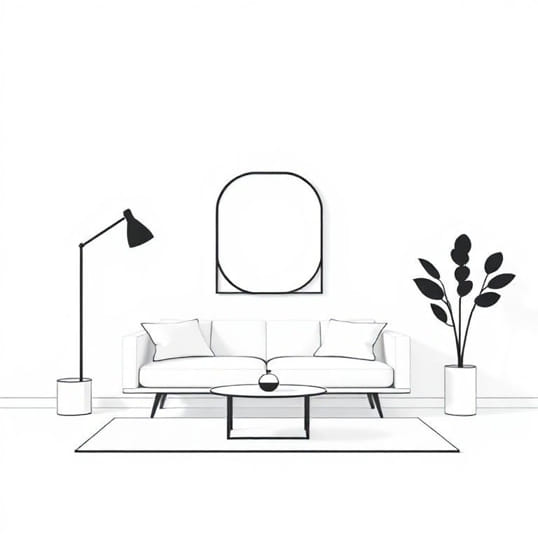
Interior Design Asymmetrical Balance
Interior design is a dynamic field where creativity, functionality, and aesthetics intersect. One concept that has gained significant attention in contemporary interior design is asymmetrical balance. Unlike traditional symmetrical designs, which rely on mirror-like arrangements, asymmetrical balance creates harmony through visual weight and proportion without exact duplication. This approach allows designers and homeowners to craft spaces that feel lively, interesting, and natural while maintaining a sense of equilibrium. Understanding the principles of asymmetrical balance can transform ordinary interiors into dynamic and thoughtfully composed environments that are visually appealing and functional.
Understanding Asymmetrical Balance
Asymmetrical balance in interior design refers to arranging elements in a room so that the visual weight is distributed unevenly but still feels balanced. It moves away from formal symmetry and embraces creativity, irregularity, and diversity in shapes, colors, and textures. The goal is to create harmony without relying on exact mirroring, resulting in spaces that are both dynamic and inviting.
Visual Weight and Perception
Visual weight is a core concept in achieving asymmetrical balance. Each object in a room carries visual weight based on its size, color, texture, pattern, and position. For instance, a large dark sofa may carry as much visual weight as several smaller light-colored chairs arranged together. Designers use these principles to balance the room, making it feel stable and cohesive even when objects are not symmetrically placed.
Dynamic Composition
Asymmetrical balance allows for more creativity than rigid symmetry. By carefully considering proportions, shapes, and spacing, designers can achieve a sense of movement and interest in a room. The eye naturally travels across the space, exploring different elements without feeling overwhelmed or disoriented. This dynamic composition makes interiors feel more organic and less predictable.
Elements of Asymmetrical Balance
Several elements contribute to achieving asymmetrical balance in interior design. These include color, texture, scale, furniture placement, and accessories. Understanding how each element affects visual weight is crucial to creating harmonious yet varied spaces.
Color and Tone
- Bold or dark colors carry more visual weight than light or muted tones.
- Using contrasting colors strategically can balance larger or heavier furniture pieces.
- Accent walls, rugs, and artwork can help distribute color weight across the room.
Texture and Material
- Rough or textured surfaces appear heavier than smooth, flat surfaces.
- Incorporating a mix of textures, such as wood, metal, and fabric, can enhance visual interest.
- Textured accessories like cushions, throws, or rugs can offset larger furniture pieces without mirroring them.
Scale and Proportion
- Large pieces can be balanced by grouping smaller items on the opposite side of a room.
- Consider vertical and horizontal proportions; tall bookshelves can balance a low sofa with layered decor.
- Maintaining proportional relationships ensures the room feels harmonious despite asymmetry.
Furniture Placement
Arranging furniture asymmetrically requires a thoughtful approach to balance visual weight. Placing a large sofa on one side of the room may be countered with a pair of chairs, a statement armchair, or a grouping of smaller tables on the other side. The key is to create equilibrium through composition rather than duplication, allowing for more flexibility and creativity in furniture layout.
Accessories and Art
Decorative elements like artwork, lighting, mirrors, and plants are essential tools for achieving asymmetrical balance. For example, a tall lamp or a large painting can balance a cluster of smaller furniture pieces. Layering accessories at different heights and using contrasting shapes can help distribute visual weight evenly across the room, enhancing depth and interest.
Techniques for Achieving Asymmetrical Balance
Successfully implementing asymmetrical balance requires understanding visual principles and experimenting with placement. Here are some practical techniques to achieve this design approach
Grouping Elements
- Cluster smaller items together to create a visual weight that balances a larger single object.
- Consider variations in height, shape, and color within the group to add depth and interest.
- Use rugs or furniture arrangements to anchor groups and create cohesion.
Layering and Overlapping
- Place elements at different heights and distances to create a sense of depth.
- Overlapping objects, such as artwork or shelves, can help distribute visual weight naturally.
- This technique encourages the eye to move through the room, enhancing the perception of balance.
Strategic Placement of Focal Points
- Introduce one or more focal points to draw attention and balance the visual field.
- Focal points can be a statement piece of furniture, artwork, or architectural feature.
- Ensure that these points are balanced by other elements in size, color, or texture to maintain harmony.
Use of Negative Space
Negative space, or the empty areas around objects, is crucial in asymmetrical design. Proper use of negative space prevents the room from feeling cluttered and helps maintain balance. By intentionally leaving gaps and spacing items thoughtfully, designers create a sense of openness and flow, enhancing the room’s overall visual harmony.
Benefits of Asymmetrical Balance
Embracing asymmetrical balance in interior design offers several advantages. It encourages creativity, allows flexibility in furniture and decor arrangement, and produces spaces that feel natural and inviting. Unlike rigid symmetrical layouts, asymmetrical design adapts well to unconventional room shapes and sizes, making it ideal for modern homes.
Enhanced Creativity
Designers and homeowners can experiment with shapes, colors, and textures without being constrained by strict mirroring. This freedom encourages unique solutions that reflect personal style.
Dynamic and Interesting Spaces
Asymmetrical balance creates visual movement and prevents rooms from appearing static or predictable. The eye explores the space naturally, making it engaging and aesthetically pleasing.
Adaptability
This design approach works well in both large and small spaces, irregularly shaped rooms, and open-plan layouts. It can easily accommodate new furniture, decor, or changes in function without disrupting the overall balance.
Common Mistakes to Avoid
While asymmetrical balance offers flexibility, there are common pitfalls to avoid
- Ignoring visual weight Placing items without considering size, color, and texture can create a lopsided look.
- Overcrowding Too many objects can overwhelm the space and obscure balance.
- Lack of focal points Without clear focal points, the room may appear disorganized and chaotic.
- Neglecting negative space Failing to leave gaps between objects can make the design feel heavy and cluttered.
Asymmetrical balance in interior design is a versatile and creative approach that allows spaces to feel harmonious, dynamic, and inviting without relying on exact symmetry. By understanding visual weight, scale, color, texture, and placement, designers can craft rooms that are visually engaging and functional. Using techniques such as grouping, layering, and strategic focal points, homeowners can achieve equilibrium while maintaining creativity and individuality. Asymmetrical balance not only enhances aesthetic appeal but also fosters adaptability, making it suitable for modern lifestyles and diverse interior environments. By thoughtfully applying these principles, any space can be transformed into a cohesive and captivating interior that embodies both style and balance.