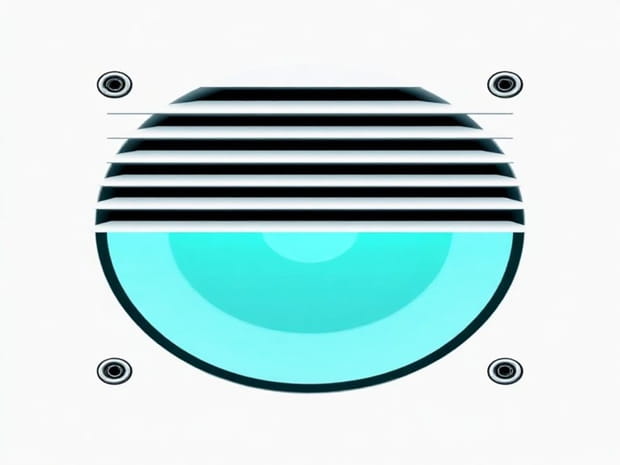
Intake Louver With Motorized Damper
Modern ventilation systems are designed not only to move air efficiently but also to provide energy savings, better air quality, and convenience. One of the components that plays a key role in achieving these goals is the intake louver with motorized damper. This device combines the protective features of a louver with the precise airflow control of a motorized damper, making it highly effective for both residential and commercial applications. By allowing automated adjustment of airflow, it enhances system performance and helps maintain a comfortable and safe indoor environment.
What Is an Intake Louver with Motorized Damper?
An intake louver is a grill-like structure installed on the exterior or interior walls of buildings to allow fresh air to enter while preventing rain, debris, or pests from getting inside. A motorized damper, on the other hand, is a movable plate controlled by an electric motor that can open or close the airflow path. When these two are combined into a single unit, you get an intake louver with motorized damper a versatile solution that improves both airflow management and energy efficiency.
Main Functions
- Regulating airflow by opening and closing automatically.
- Protecting HVAC systems from external elements like dust, leaves, and rain.
- Improving energy efficiency by preventing unnecessary air exchange.
- Enhancing comfort through controlled ventilation.
How the Motorized Damper Works
The motorized damper inside the intake louver operates using an electric actuator. When the HVAC system signals a need for fresh air, the motorized damper opens to allow airflow. Once the demand is met, it closes to seal the intake and prevent unwanted air infiltration.
Types of Motor Control
- On/Off controlThe damper is either fully open or fully closed.
- Modulating controlThe damper adjusts gradually to allow partial airflow for more precise ventilation.
Benefits of Using Intake Louvers with Motorized Dampers
There are several reasons why these combined systems are gaining popularity in modern ventilation and air management setups. The advantages go beyond comfort, extending to safety, efficiency, and long-term system durability.
Energy Efficiency
By automatically closing when not needed, the motorized damper helps prevent energy loss. This ensures that conditioned air remains inside, reducing heating and cooling costs.
Better Air Quality
Controlled airflow allows fresh air to enter in the right amounts, improving indoor air quality without introducing contaminants from outside.
Noise Reduction
When the damper is closed, it also helps block outdoor noise, making indoor spaces quieter and more comfortable.
System Protection
Louvers protect against water, debris, and pests, while the damper ensures the system does not pull in excess air that could strain filters and fans.
Applications of Intake Louvers with Motorized Dampers
These systems are versatile and can be found in a wide range of applications. From homes to industrial facilities, they provide reliable control of air intake under various operating conditions.
Residential Use
- Homes with energy recovery ventilators (ERVs) or heat recovery ventilators (HRVs).
- Smart home HVAC systems that require automated airflow adjustments.
Commercial Buildings
- Office complexes with centralized air handling units.
- Retail spaces where consistent indoor comfort is essential.
Industrial Facilities
- Factories requiring precise ventilation to manage heat and fumes.
- Warehouses where air circulation is necessary for product preservation.
Design Considerations
When choosing an intake louver with motorized damper, several design factors must be taken into account. The right selection ensures efficiency, durability, and proper airflow for the specific building requirements.
Material Selection
- AluminumLightweight, corrosion-resistant, and suitable for most applications.
- Galvanized steelDurable and strong, often used in industrial settings.
- Stainless steelResistant to harsh environments and ideal for coastal or chemical exposure areas.
Louver Design
The shape and arrangement of the blades affect airflow and protection. Drainable louvers, for example, channel rainwater away, while wind-driven rain louvers offer superior resistance in extreme conditions.
Damper Type
The damper mechanism can vary depending on whether precise modulation or simple open/close operation is needed. Modulating dampers are common in high-performance HVAC systems that require exact airflow control.
Installation Best Practices
Proper installation is critical for the intake louver with motorized damper to work effectively. A poorly installed unit can lead to air leakage, noise, and reduced system performance.
Tips for Installation
- Ensure correct sizing based on airflow requirements.
- Seal around the frame to prevent air leaks.
- Install in a location that minimizes exposure to wind-driven rain.
- Connect the motorized damper to the HVAC control system for automation.
Maintenance Requirements
Like all mechanical systems, intake louvers with motorized dampers require periodic maintenance to function optimally. Regular checks can extend lifespan and prevent costly breakdowns.
Routine Maintenance Tasks
- Clean louver blades to remove dirt and debris.
- Inspect the damper motor for signs of wear or failure.
- Lubricate moving parts if required by manufacturer guidelines.
- Check the actuator calibration for accurate control.
Common Problems and Troubleshooting
Even well-designed systems can develop issues over time. Knowing common problems helps identify and fix them quickly.
- Squeaking or rattlingMay indicate loose hardware or lack of lubrication.
- Damper not opening or closingCould be due to actuator failure or electrical issues.
- Reduced airflowMight be caused by dirt buildup or obstruction.
Cost Considerations
The cost of an intake louver with motorized damper depends on size, materials, and features. While they may require a higher initial investment compared to basic louvers, their long-term energy savings and performance benefits often outweigh the upfront expense.
Factors Affecting Price
- Material type (aluminum, steel, stainless steel).
- Size and airflow capacity.
- Type of motorized damper (on/off or modulating).
- Additional protective features like bird screens or filters.
Future Trends
As smart building technology continues to advance, intake louvers with motorized dampers are likely to become even more integrated into automated control systems. Features such as remote monitoring, predictive maintenance alerts, and compatibility with energy management systems are expected to grow in popularity.
An intake louver with motorized damper is a valuable component in modern ventilation systems. By combining airflow regulation with environmental protection, it provides efficiency, comfort, and durability. Whether installed in homes, offices, or industrial facilities, these devices help maintain optimal indoor conditions while reducing energy costs. With proper selection, installation, and maintenance, they can serve as a long-lasting solution for effective air management.