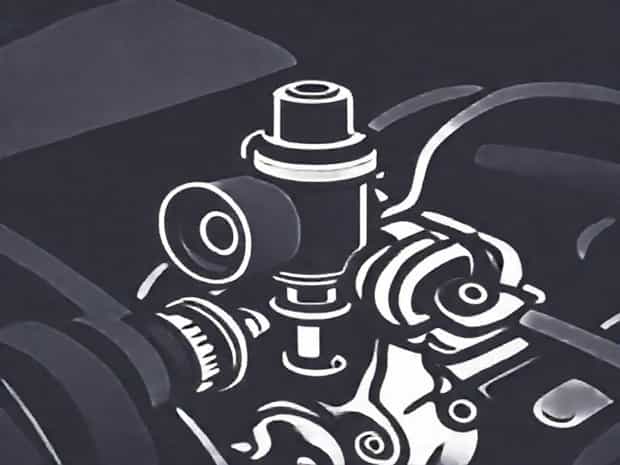
Intake Camshaft Position Actuator Solenoid
The intake camshaft position actuator solenoid is a small but vital component in modern engines that plays a key role in variable valve timing systems. This part helps regulate the timing of the intake valves, ensuring the engine receives the right mixture of air and fuel at the right moment. While most drivers never think about it, this solenoid can directly influence engine performance, fuel efficiency, and even emissions. Understanding how it works, why it matters, and how to recognize problems can help car owners save money and keep their vehicles running smoothly.
What Is an Intake Camshaft Position Actuator Solenoid?
The intake camshaft position actuator solenoid is an electronically controlled valve that manages the flow of oil to the camshaft actuator. The actuator then adjusts the position of the camshaft relative to the crankshaft, advancing or retarding valve timing as needed. This process is part of the variable valve timing (VVT) system, which improves engine efficiency across different speeds and loads.
Main Functions
- Adjusts intake valve timing for better fuel efficiency.
- Improves acceleration and engine power output.
- Reduces harmful exhaust emissions.
- Optimizes performance in both low and high RPM ranges.
How the Solenoid Works
When the engine control module (ECM) receives input from various sensors, it sends an electrical signal to the intake camshaft position actuator solenoid. The solenoid opens or closes to control oil flow into the camshaft actuator. This hydraulic pressure then shifts the camshaft angle, changing the timing of the intake valves. By doing this, the engine can adapt to different driving conditions, whether you are idling in traffic or accelerating on the highway.
Common Symptoms of a Failing Intake Camshaft Position Actuator Solenoid
Like any other engine component, the solenoid can wear out or fail over time. Recognizing early warning signs can help you prevent further engine damage.
- Check engine lightOne of the most common indicators is a diagnostic trouble code related to camshaft timing.
- Poor fuel economyA faulty solenoid can prevent optimal timing, leading to higher fuel consumption.
- Rough idlingThe engine may feel unstable at idle because of incorrect valve timing.
- Reduced accelerationA failing solenoid can make the car sluggish when trying to gain speed.
- Hard startingIncorrect valve timing may cause longer crank times when starting the engine.
Causes of Solenoid Failure
Several issues can cause the intake camshaft position actuator solenoid to fail. Most of them are related to poor maintenance or oil quality.
- Dirty or old engine oilSludge buildup can clog the solenoid, preventing proper oil flow.
- Electrical issuesDamaged wiring or a faulty connector can disrupt the solenoid’s operation.
- Mechanical wearInternal components can wear down over time, reducing performance.
- Lack of oil changesSkipping regular oil service accelerates failure.
How to Diagnose a Faulty Intake Camshaft Position Actuator Solenoid
Diagnosing this component requires attention to both engine performance and proper testing. Here are some common steps
- Use an OBD-II scanner to check for camshaft-related trouble codes.
- Inspect the solenoid connector and wiring for damage.
- Check engine oil condition and level.
- Perform a resistance test on the solenoid using a multimeter.
Can You Drive with a Bad Solenoid?
Technically, the car may still run with a faulty intake camshaft position actuator solenoid, but it will not perform efficiently. Over time, driving with a failing solenoid can lead to increased fuel consumption, reduced engine life, and possible damage to other parts of the VVT system. It is always best to replace it as soon as possible.
Replacing the Intake Camshaft Position Actuator Solenoid
Replacing this part is usually straightforward and can often be done without professional tools. In many vehicles, the solenoid is located on the cylinder head near the front of the engine.
Steps for Replacement
- Disconnect the battery to prevent electrical issues.
- Locate the intake camshaft position actuator solenoid on the engine.
- Unplug the electrical connector and remove the retaining bolts.
- Carefully pull out the old solenoid.
- Lubricate the O-rings on the new solenoid with clean oil.
- Install the new solenoid, tighten bolts, and reconnect the electrical connector.
Cost of Replacement
The price of a new intake camshaft position actuator solenoid can range between $50 and $200 depending on the make and model of the vehicle. Labor costs at a repair shop may add another $100 to $300. DIY replacement can save money if you are comfortable working on your car.
How to Prevent Solenoid Problems
Prevention largely comes down to good maintenance habits. Following these practices can extend the life of your intake camshaft position actuator solenoid
- Change your engine oil and filter regularly according to manufacturer recommendations.
- Use the correct type and grade of oil for your engine.
- Inspect wiring harnesses periodically for signs of wear or corrosion.
- Avoid ignoring check engine light codes related to camshaft timing.
Differences Between Intake and Exhaust Camshaft Solenoids
Some engines use both intake and exhaust camshaft position actuator solenoids. While they serve similar purposes, they control different sets of valves. The intake solenoid controls the air and fuel mixture entering the engine, while the exhaust solenoid manages the timing of gases leaving the combustion chamber. Both are equally important for maintaining efficiency and performance.
Signs of Immediate Attention
If you notice severe performance issues, such as stalling, engine misfires, or loud ticking noises, it is critical to have the solenoid inspected right away. Ignoring these symptoms can lead to damage to the camshaft actuator itself, which is a much more expensive repair.
The intake camshaft position actuator solenoid may be a small component, but its role in engine performance is significant. It helps manage valve timing to improve power, fuel efficiency, and emissions. Understanding how it works, recognizing symptoms of failure, and knowing how to maintain or replace it can keep your vehicle running at its best. By staying proactive with oil changes and inspections, car owners can avoid costly repairs and ensure their variable valve timing system operates smoothly for years to come.