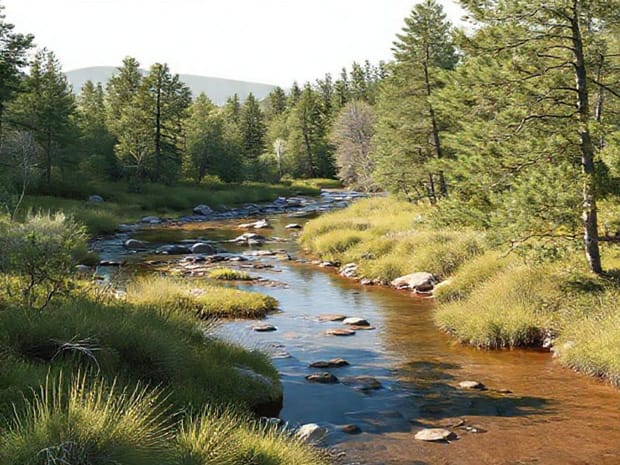
In A Riparian Zone
Living or working in a riparian zone comes with unique environmental, ecological, and management considerations. Riparian zones are the transitional areas between land and a river or stream, serving as vital buffers that protect water quality, control erosion, and support biodiversity. These zones are characterized by specific soil conditions, vegetation types, and wildlife habitats that make them essential for maintaining healthy aquatic ecosystems. Understanding how to interact with and manage activities in a riparian zone is critical for conservation, sustainable land use, and ecosystem health.
Definition and Characteristics of a Riparian Zone
A riparian zone is the interface between terrestrial and aquatic ecosystems, often located along rivers, streams, lakes, or wetlands. These zones vary in width depending on the local climate, soil type, vegetation, and water flow patterns. Riparian zones are often rich in nutrients due to regular flooding and sediment deposition, making them highly productive areas for both plant and animal life. The vegetation in these zones typically includes trees, shrubs, grasses, and other hydrophilic plants that stabilize soil and provide shade to the water, which helps maintain suitable temperature conditions for aquatic organisms.
Key Characteristics
- Proximity to flowing or standing water bodies.
- Vegetation adapted to wet or periodically flooded soils.
- High biodiversity, including amphibians, birds, mammals, and insects.
- Soil types that support nutrient retention and water filtration.
- Buffering capacity to reduce pollution and sedimentation in waterways.
Ecological Importance of Riparian Zones
Riparian zones play a critical role in maintaining ecosystem health. They provide habitat and food sources for numerous species, act as corridors for wildlife movement, and support the ecological processes necessary for biodiversity. The vegetation in riparian areas helps stabilize riverbanks, preventing erosion and reducing sediment loads in the water. By intercepting runoff, these zones filter out pollutants and excess nutrients, which helps maintain water quality and prevent algal blooms. Riparian zones also contribute to groundwater recharge, mitigating the effects of drought and supporting local hydrology.
Ecological Benefits
- Soil stabilization and prevention of erosion along riverbanks.
- Habitat provision for aquatic and terrestrial species.
- Water quality protection through natural filtration of pollutants.
- Flood mitigation by absorbing excess water during heavy rainfall.
- Carbon sequestration and contribution to climate regulation.
Human Interaction in Riparian Zones
Humans often utilize riparian zones for agriculture, recreation, urban development, and resource extraction. While these areas offer benefits such as fertile soil and access to water, improper management can lead to environmental degradation. Activities like overgrazing, deforestation, construction, and pollution can compromise the integrity of riparian zones, leading to increased erosion, reduced water quality, and loss of habitat. Sustainable practices are essential to balance human use with the ecological functions of these areas.
Common Human Activities
- Agriculture and irrigation using water from nearby rivers or streams.
- Urban development and construction along waterways.
- Recreational activities, including fishing, hiking, and boating.
- Livestock grazing near riverbanks.
- Waste disposal and nutrient runoff from surrounding land.
Management and Conservation Strategies
Effective management of riparian zones is essential for ecological health and sustainability. Conservation strategies focus on maintaining natural vegetation, controlling invasive species, and reducing pollution inputs. Buffer zones are often established to limit human activity near sensitive areas, and restoration projects may involve replanting native species and stabilizing eroded banks. Environmental monitoring helps identify emerging threats, while community education promotes awareness of the importance of riparian zones. Proper management ensures that these areas continue to provide critical ecosystem services for future generations.
Conservation Practices
- Establishing riparian buffer zones to protect waterways.
- Planting native vegetation to enhance soil stability and biodiversity.
- Limiting construction and industrial activity near water bodies.
- Controlling pollution through runoff management and waste treatment.
- Engaging local communities in riparian restoration and stewardship projects.
Riparian Zones and Climate Resilience
Riparian zones contribute to climate resilience by moderating temperature extremes, mitigating floods, and supporting water availability. Vegetation in these zones helps absorb and slow down stormwater, reducing the risk of flooding in nearby areas. Additionally, riparian soils store water and support groundwater recharge, which can be critical during periods of drought. Maintaining healthy riparian zones is therefore an essential strategy for adapting to climate change and protecting both human communities and wildlife.
Climate Adaptation Benefits
- Reduced flood risk due to natural water absorption and slowed runoff.
- Maintenance of local water cycles through groundwater recharge.
- Shade from riparian vegetation helps reduce water temperature fluctuations.
- Enhanced resilience of aquatic and terrestrial ecosystems.
- Contribution to carbon storage and mitigation of greenhouse gas effects.
Being in a riparian zone involves understanding the delicate balance between human activity and ecosystem health. These areas are critical for biodiversity, water quality, flood management, and climate resilience. Protecting and managing riparian zones requires sustainable practices, community engagement, and conservation initiatives. By valuing the ecological importance of these transitional spaces between land and water, humans can benefit from their resources while ensuring that riparian zones continue to support wildlife, maintain environmental quality, and provide essential ecosystem services for generations to come.