Importance Of Middlemen In Distribution Channel
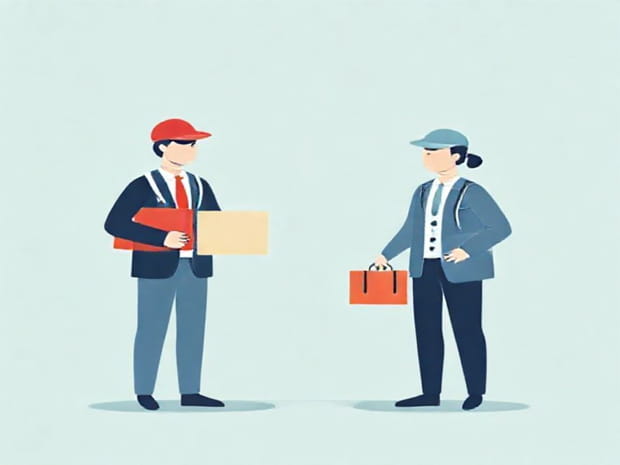
In modern business, the role of middlemen in the distribution channel is crucial for ensuring that goods and services efficiently reach the end consumers. Middlemen, also referred to as intermediaries, act as a bridge between producers and consumers, facilitating the smooth flow of products from the point of production to the point of consumption. Their involvement not only simplifies the distribution process but also adds value by reducing costs, saving time, and increasing market reach. Understanding the importance of middlemen can provide insight into why many businesses rely on them for effective distribution and why they remain an integral part of the supply chain.
Who Are Middlemen in Distribution Channels?
Middlemen are individuals or organizations that purchase products from producers and sell them to consumers or other businesses. They play various roles, including wholesalers, retailers, brokers, and agents, each performing specific functions that enhance the overall distribution process. By handling tasks such as storage, transportation, and sales promotion, middlemen allow producers to focus on production and product development rather than the complexities of delivering goods to the market.
Types of Middlemen
- Wholesalers Purchase large quantities from producers and sell in smaller quantities to retailers or other businesses.
- Retailers Sell products directly to end consumers, providing convenience and accessibility.
- Brokers Facilitate transactions between buyers and sellers without taking ownership of goods.
- Agents Represent producers or buyers to negotiate deals and manage sales processes.
Importance of Middlemen in Distribution Channels
Middlemen play a vital role in making the distribution channel efficient and effective. Their importance can be seen in various aspects, including improving product availability, reducing operational costs, and enhancing market penetration. Without middlemen, producers would face significant challenges in reaching consumers, particularly in geographically diverse or large markets. Below are key reasons why middlemen are essential in distribution channels.
1. Facilitating Market Reach
One of the primary roles of middlemen is to extend the market reach of producers. Small and medium-sized producers, in particular, may struggle to sell their products to a wide audience without intermediaries. Middlemen, such as wholesalers and retailers, have established networks and customer bases that allow products to reach various regions and demographics efficiently. This expanded reach helps producers increase sales and revenue while making products more accessible to consumers.
2. Reducing Distribution Costs
Middlemen help reduce the overall costs associated with distributing products. Producers would need to invest heavily in transportation, warehousing, and marketing if they attempted to sell directly to consumers. By leveraging the resources and expertise of middlemen, producers can avoid these expenses and benefit from economies of scale. Middlemen purchase products in bulk, store them efficiently, and distribute them to multiple locations, thus lowering the cost per unit and ensuring timely delivery.
3. Providing Market Information
Middlemen serve as an important source of market information. They are in constant contact with consumers and retailers, giving them insight into customer preferences, purchasing behavior, and emerging trends. This information is valuable to producers, enabling them to adjust production, develop new products, and plan marketing strategies. By acting as a link between the market and the producer, middlemen help businesses make informed decisions that enhance competitiveness.
4. Assisting in Promotion and Sales
Middlemen often play a significant role in promoting products and boosting sales. Retailers, for example, engage in advertising, product displays, and sales promotions to attract consumers. Brokers and agents may negotiate better deals or provide additional services to ensure that transactions are smooth and beneficial for both parties. By taking responsibility for promotion and sales, middlemen allow producers to focus on creating high-quality products while still achieving strong market performance.
5. Managing Risk and Inventory
Middlemen absorb some of the risks associated with selling products. They often take ownership of goods, which means they bear the risk of unsold inventory, damages, or obsolescence. Additionally, middlemen maintain warehouses and stock inventories, ensuring that products are available when needed. This inventory management reduces the burden on producers, prevents stockouts, and ensures that consumers can reliably purchase products.
6. Enhancing Customer Convenience
Middlemen make it convenient for consumers to purchase products by offering easy access to a variety of goods in one place. Retailers, in particular, provide physical or online stores where consumers can browse, compare, and buy products without dealing with multiple producers. This convenience improves customer satisfaction and encourages repeat purchases, ultimately benefiting both the middlemen and the producers they represent.
Challenges Faced by Middlemen
While middlemen are important, they also face challenges that can affect the efficiency of distribution channels. Competition among intermediaries, rising operational costs, and changing consumer preferences require middlemen to adapt continuously. Additionally, technological advancements, such as e-commerce platforms, are transforming the traditional role of middlemen, forcing them to innovate and offer added value to remain relevant.
Adapting to Market Changes
To remain effective, middlemen must embrace technology, improve logistics, and offer personalized services. Online marketplaces and direct-to-consumer strategies by producers are changing the distribution landscape, but middlemen who provide expertise, convenience, and efficient service continue to play a crucial role. Their ability to adapt determines their long-term sustainability and relevance in the supply chain.
Middlemen are indispensable in the distribution channel, providing critical services that connect producers with consumers. They facilitate market reach, reduce distribution costs, provide valuable market information, promote products, manage inventory and risk, and enhance customer convenience. Despite challenges posed by technological changes and evolving consumer behavior, the role of middlemen remains essential for efficient and effective distribution. By bridging the gap between production and consumption, middlemen ensure that products are accessible, timely, and satisfying to consumers, thereby supporting the growth and success of businesses across industries.
Understanding the importance of middlemen helps businesses appreciate the value they add to the supply chain. From wholesalers and retailers to brokers and agents, these intermediaries play multiple roles that simplify complex processes and enhance market efficiency. Investing in strong relationships with middlemen and leveraging their expertise can result in better market coverage, increased sales, and higher customer satisfaction, highlighting their ongoing significance in modern distribution channels.