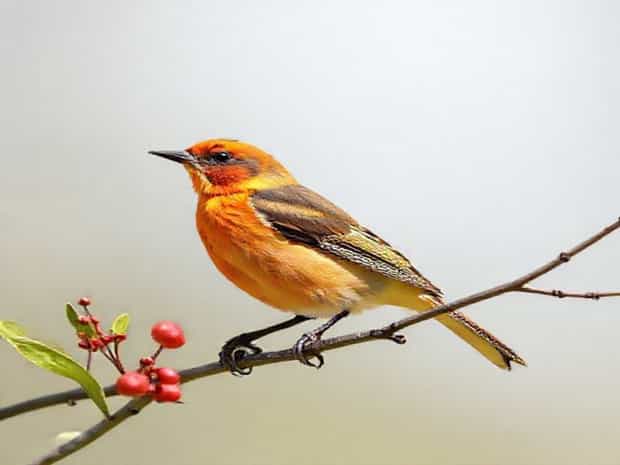
Immature Male Summer Tanager
The immature male summer tanager is a fascinating bird that captures the attention of bird watchers and nature enthusiasts across North and Central America. Unlike its adult counterpart, the immature male does not yet display the vivid red plumage that is so characteristic of the species. Instead, these young birds exhibit a combination of yellow, olive, and orange tones, creating a unique and often understated beauty. Observing an immature male summer tanager provides insight into the early stages of its life cycle and the gradual changes in plumage that signal its transition into adulthood. Understanding these birds requires attention to their habitat, behavior, diet, and migration patterns, as well as the ecological role they play in their environment.
Identification and Appearance
Immature male summer tanagers are smaller than many of the other colorful birds found in North America, typically measuring between 17 and 19 centimeters in length. Their plumage is less intense than adult males, featuring a mix of greenish-yellow and pale orange. Unlike adult males, which are bright red all over, immature males often have streaked underparts and subtle markings on their wings and tail. These plumage characteristics can make identification challenging, especially when differentiating them from females or other similar species such as scarlet tanagers or western tanagers. Bird watchers often rely on a combination of subtle color differences, eye rings, beak shape, and song to accurately identify these young males.
Plumage Development
The transition from immature to adult plumage in summer tanagers is a gradual process. Young males begin with pale yellow or greenish feathers, which slowly develop red patches over the course of their first year. This change is influenced by hormones and diet, with carotenoid pigments playing a critical role in producing the red coloration. Observers often notice that the red tends to appear first on the head and throat before spreading to the chest, back, and wings. By the time a male summer tanager reaches its second year, it may exhibit nearly full adult plumage, though some individuals continue to show traces of immature colors for several months longer.
Habitat and Range
Immature male summer tanagers inhabit a variety of environments, including open woodlands, forest edges, and areas with scattered trees. They prefer regions where insects are abundant, as protein-rich diets are essential for growth and plumage development. During the breeding season, they are commonly found in deciduous forests, often near water sources or areas with dense shrubbery. The summer tanager’s range extends from the southern United States through Central America, with migration patterns that take them as far south as northern South America during the winter months. Understanding the habitats of immature males is important for conservation efforts, as their survival depends on the availability of suitable feeding and nesting sites.
Behavior and Feeding
Immature male summer tanagers are active foragers, primarily consuming insects such as bees, wasps, and beetles. They exhibit a behavior known as hawking, where they catch flying insects mid-air, as well as gleaning, where they pick insects off leaves and branches. Their diet may also include fruits and berries, particularly in late summer and early fall, which helps prepare them for migration. Social behavior in immature males often differs from adults; they may form loose flocks with other juvenile tanagers or remain in the vicinity of adult males, learning essential survival and foraging skills. Vocalizations are also distinct, with immature males practicing the songs of adult males as part of their development and territorial learning.
Migration and Seasonal Patterns
Migration is a critical aspect of the immature male summer tanager’s life. Unlike adult males that establish territories and nesting sites, juveniles often travel in groups during their first migration. This journey typically starts in late summer or early fall, with birds traveling from the southern United States to Central and South America. The migration route includes stops at forests, wetlands, and areas rich in insects and fruits, which provide the energy required for long flights. Observing immature males during migration offers bird watchers unique insights into their endurance and adaptability, as well as the environmental challenges they face along the way.
Ecological Role
Immature male summer tanagers play an important ecological role despite their young age. As insectivores, they help control populations of bees, wasps, and other insects, contributing to the balance of their ecosystems. By consuming fruits, they also aid in seed dispersal, supporting the regeneration of forests and shrublands. Their presence in both North and Central America underscores the interconnectedness of ecosystems across continents. Protecting habitats for immature males not only ensures their survival but also benefits a wide range of other species, including plants, insects, and predators that rely on the same environments.
Challenges and Conservation
Immature male summer tanagers face numerous challenges in the wild. Habitat loss due to deforestation and urban development can limit their access to food and nesting sites. Pesticide use reduces the availability of insects, directly affecting their diet and growth. Additionally, climate change has altered migration patterns and seasonal food availability, creating additional stress for young birds. Conservation efforts focus on preserving natural habitats, promoting sustainable agricultural practices, and reducing environmental threats such as pollution and invasive species. By ensuring safe and productive habitats, conservationists help immature male summer tanagers reach adulthood and continue their critical ecological contributions.
Tips for Bird Watchers
For bird watchers interested in observing immature male summer tanagers, several tips can enhance the experience
- Visit deciduous forests and woodland edges during the summer months when juveniles are more visible.
- Look for subtle color differences and streaked plumage to differentiate immature males from females and other species.
- Bring binoculars and a field guide that highlights juvenile plumage characteristics.
- Listen for their developing songs, which can be a key indicator of their presence.
- Observe feeding behavior, particularly their insect-hunting techniques, to gain insight into their daily life.
The immature male summer tanager represents a fascinating stage in the life cycle of a vibrant and ecologically significant bird. From its unique plumage and foraging behavior to its complex migration patterns and ecological contributions, this young bird offers valuable lessons about growth, adaptation, and survival in the natural world. Protecting habitats and understanding the challenges faced by these juveniles is essential not only for their survival but also for the health of ecosystems they inhabit. Observing immature males allows bird watchers, researchers, and nature enthusiasts to appreciate the beauty and resilience of these remarkable birds while fostering a deeper connection with the environment.