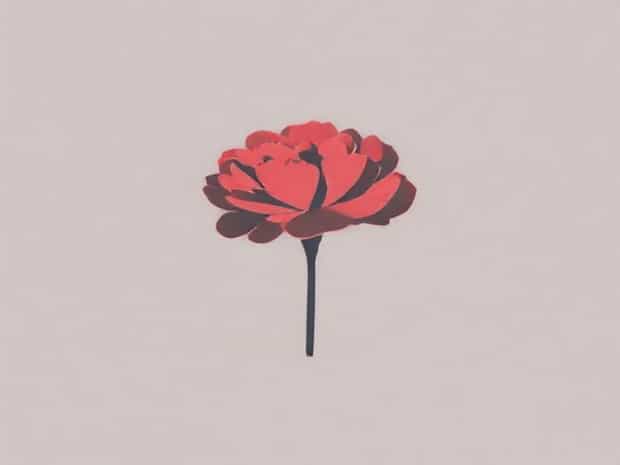
Images Of Carnation Flower
Images of carnation flowers capture the elegance and beauty of one of the most popular ornamental plants in the world. Known scientifically as Dianthus caryophyllus, carnations are admired for their frilled petals, vibrant colors, and delicate fragrance. Their images often showcase a variety of hues ranging from red, pink, and white to yellow and purple, highlighting the flower’s versatility and appeal in floral arrangements, gardens, and decorative displays. Studying and appreciating these images not only inspires gardeners and florists but also provides insight into the botanical characteristics, symbolism, and cultural significance of the carnation flower.
Botanical Features of Carnation Flowers
Carnation flowers have a distinctive structure that makes them easily recognizable. Each flower is composed of multiple layers of petals, often with ruffled edges that create a full, textured appearance. The flowers grow on long, slender stems with narrow, lance-shaped leaves. Images of carnation flowers highlight these features, allowing viewers to observe the symmetry, color variations, and intricate details that make the species so captivating. The flower’s central disk is usually small, surrounded by the dense arrangement of petals that define its iconic look.
Color Variations and Meanings
Carnations come in a wide range of colors, each carrying symbolic meanings that are often highlighted in images. Red carnations symbolize love and admiration, pink represents gratitude and affection, while white signifies purity and luck. Yellow carnations can indicate disappointment or rejection, and purple may symbolize capriciousness or whimsical beauty. Photographs of these flowers often focus on the vibrant color contrasts, showing how different shades can create unique aesthetic and emotional effects in bouquets or gardens.
Photography and Composition of Carnation Images
Images of carnation flowers are captured using various photographic techniques that emphasize texture, color, and composition. Close-up macro photography reveals the intricate ruffles of the petals, the subtle gradients of color, and the fine details of the reproductive structures. Wide-angle shots can display entire bouquets or garden beds, emphasizing patterns, density, and color harmony. Effective composition in carnation images often includes lighting, focus, and background selection, which enhance the flower’s natural beauty and draw attention to its delicate form.
Macro Photography
Macro images allow for detailed examination of individual petals, veins, and subtle color shifts. These images are particularly useful for educational purposes, botanical studies, and artistic projects. Photographers often use soft, natural light to highlight the petals’ textures and capture the gentle gradient from the center of the flower to the edges. Macro photography of carnations can also reveal dew droplets, insect interactions, and other natural elements that add depth and interest to the images.
Garden and Arrangement Photography
Images of carnations in gardens or floral arrangements illustrate how the flowers interact with other plants and elements of design. Groupings of carnations can create a striking visual effect, with color combinations and spacing contributing to the overall aesthetic. Photographs may also highlight seasonal changes, showing how carnations bloom in different climates or during various times of the year. These images inspire gardeners, florists, and designers by demonstrating creative ways to use carnations in landscaping and decorative contexts.
Cultural Significance Highlighted in Images
Carnation flowers have rich cultural and historical significance, which is often depicted in images used for celebrations, ceremonies, and symbolic purposes. Red carnations are commonly used on Mother’s Day to honor maternal love, while white carnations may appear at weddings or religious ceremonies to signify purity and remembrance. Photographs capturing carnations in cultural contexts provide insight into how the flower conveys emotions, traditions, and messages across different societies.
Symbolism in Art and Photography
Artists and photographers often incorporate carnations into their work to convey themes of love, remembrance, or beauty. Detailed images of single blooms can evoke intimacy and emotion, while larger compositions of multiple flowers may suggest abundance and celebration. Through careful lighting, perspective, and arrangement, images of carnations convey not only visual appeal but also the deeper meanings associated with the flower in art, literature, and personal expression.
Uses of Carnation Images
Images of carnation flowers are widely used in digital and print media, including greeting cards, advertisements, websites, and social media. These images communicate messages of love, celebration, and appreciation. They are also used in botanical publications, gardening guides, and floral catalogs to educate viewers about species characteristics, care requirements, and arrangement possibilities. The versatility of carnation images makes them valuable for both aesthetic and educational purposes.
Floral Design and Marketing
- Flower shops use high-quality images of carnations to showcase bouquet designs and promote sales.
- Gardening guides feature images to help readers identify species, understand growth habits, and plan gardens.
- Social media posts often highlight vibrant carnation arrangements, inspiring viewers and generating engagement.
Photography Tips for Capturing Carnation Flowers
Capturing compelling images of carnation flowers requires attention to lighting, composition, and background. Natural light, especially during early morning or late afternoon, enhances color richness and softens shadows. Using a shallow depth of field can isolate the flower from the background, emphasizing its form and texture. Experimenting with angles, perspectives, and close-ups allows photographers to highlight different aspects of the flower, from delicate petal edges to the arrangement of blooms in a bouquet or garden.
Post-Processing Techniques
Post-processing can enhance carnation images by adjusting contrast, saturation, and sharpness. Subtle editing preserves the natural beauty of the flower while ensuring that colors are vibrant and textures are detailed. Cropping and framing can remove distractions and focus attention on the subject. When used thoughtfully, post-processing helps create images that are visually appealing, informative, and suitable for a range of uses, from educational materials to decorative prints.
Images of carnation flowers celebrate the elegance, color, and cultural significance of one of the world’s most beloved blooms. Through careful photography, macro studies, and creative composition, these images reveal the intricate details and emotional resonance of carnations. Whether captured in gardens, bouquets, or artistic compositions, carnation images serve as tools for education, inspiration, and communication. By appreciating these images, viewers gain insight into the botanical beauty, symbolic meaning, and creative potential of the carnation flower, highlighting why it remains a favorite among florists, gardeners, and enthusiasts worldwide.