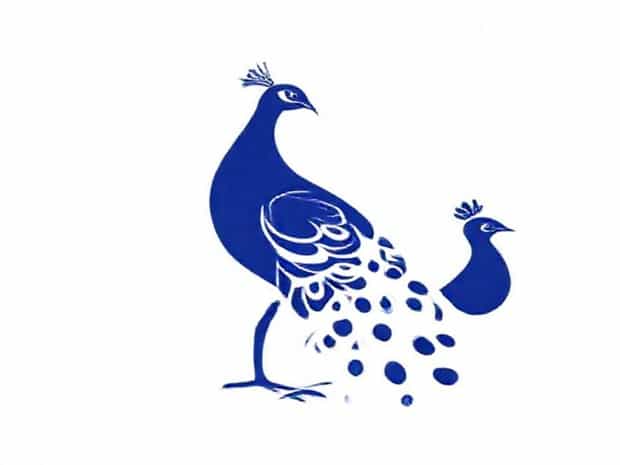
Image Of Peacock And Peahen
The image of a peacock and peahen is one of nature’s most striking visual contrasts, capturing the vibrant beauty and subtle elegance of these magnificent birds. The male peacock is known for its extravagant, iridescent tail feathers, which shimmer in hues of blue, green, and gold, while the female peahen is more muted, displaying shades of brown and cream that blend seamlessly with her surroundings. Together, they represent a balance between flamboyance and modesty, attracting attention not only for their physical appearance but also for their roles in mating displays, social behavior, and cultural symbolism. Studying images of peacock and peahen pairs can reveal fascinating insights into animal behavior, aesthetics, and evolutionary biology.
Understanding the Peacock
The male peacock, or simply peacock, is famous for its long, colorful tail, known as a train. This train is not just decorative; it plays a crucial role in courtship rituals, helping the male attract a mate by showcasing his health, vitality, and genetic fitness. Peacocks display their feathers in a fan-like formation, often accompanied by shaking or rattling sounds that enhance the visual effect. In images, this display is often the focal point, highlighting intricate patterns and eye-like spots called ocelli, which are believed to play a role in sexual selection.
Characteristics of the Peacock
- Brightly colored iridescent feathers with eye-like patterns.
- Long train that can exceed six feet in length in some species.
- Vocal calls and rattling displays during courtship.
- Distinctive blue or green plumage depending on the species.
- Symbolic association with pride, beauty, and immortality in various cultures.
The Peahen Grace and Subtlety
In contrast to the peacock, the female peahen is less ostentatious, with plumage that provides camouflage in the wild. Her muted colors allow her to blend into foliage and protect herself and her chicks from predators. While she lacks the bright train of the male, the peahen is equally important in the breeding cycle, as her selection determines which males pass on their genes. In images, the peahen often appears calm and understated, complementing the peacock’s grandeur while adding balance to the composition.
Characteristics of the Peahen
- Earth-toned plumage with shades of brown, cream, and gray.
- Smaller and more streamlined body compared to the male.
- Plays a crucial role in mate selection through observation of male displays.
- Camouflaging abilities to protect nests and young.
- Gentle and reserved behavior in social and breeding contexts.
Behavioral Dynamics Captured in Images
Images of peacocks and peahens often capture more than just physical appearance; they reveal behavioral dynamics such as courtship, social interaction, and territorial displays. The peacock’s elaborate fan display and the peahen’s attentive observation illustrate the complex mating strategies these birds employ. Photographers often highlight the interaction between the two, showing moments of approach, retreat, or mutual recognition. Such images can be educational, illustrating concepts like sexual selection, fitness, and reproductive strategies in birds.
Examples of Behavioral Interaction
- Peacock displaying its train to attract the attention of a peahen.
- Peahen inspecting the male’s feathers and behavior before choosing a mate.
- Peacock performing vocal calls to assert presence or deter rivals.
- Both birds foraging together, illustrating social cohesion.
- Peahen leading chicks while the male keeps watch, showcasing parental roles.
Cultural and Symbolic Significance
Beyond their biological importance, the image of a peacock and peahen carries deep cultural and symbolic meanings. In many cultures, the peacock represents beauty, pride, immortality, and spiritual awakening. The contrast between the showy male and the modest female often symbolizes balance, harmony, and the interplay of opposites. Artistic depictions, traditional folklore, and religious iconography frequently feature peacock-peahen pairs, highlighting both their aesthetic appeal and symbolic weight.
Symbolism and Uses
- Peacock as a symbol of beauty, elegance, and pride.
- Peahen representing modesty, nurturing, and discretion.
- Pairs often symbolize balance between extravagance and restraint.
- Common motif in art, literature, and religious iconography.
- Used in gardens, emblems, and decorative patterns to convey cultural meaning.
Photographic Tips for Capturing Peacock and Peahen Images
For photographers, capturing images of peacocks and peahens requires attention to composition, light, and behavior. The male’s train can create dynamic and eye-catching shots, while the peahen adds contrast and narrative depth. Understanding the birds’ natural habits, preferred environments, and courtship behaviors can help capture authentic and compelling images.
Photography Techniques
- Use natural light to highlight iridescent feathers and natural colors.
- Focus on both birds to show interaction and behavioral context.
- Consider backgrounds that complement or contrast with plumage.
- Capture moments of movement, such as tail display or walking together.
- Maintain a safe distance to avoid disturbing the birds’ natural behavior.
Educational Value of Peacock and Peahen Images
Images of peacocks and peahens serve an educational purpose in biology, zoology, and wildlife studies. Students and enthusiasts can study anatomy, coloration, mating behavior, and social dynamics through high-quality photographs. Such images also foster appreciation for wildlife conservation, helping raise awareness about the habitats and protection needs of these birds.
Learning Opportunities
- Observation of sexual dimorphism and mating displays.
- Understanding camouflage and adaptation in peahens.
- Recognition of behavior patterns and social interactions.
- Appreciation of biodiversity and the importance of habitat preservation.
- Integration of images into educational materials and wildlife presentations.
The image of a peacock and peahen offers a unique window into the natural world, blending beauty, behavior, and symbolism. The male’s colorful display contrasts with the female’s understated elegance, illustrating the fascinating dynamics of attraction, survival, and social interaction. Beyond aesthetics, these images provide insight into biology, evolution, and cultural symbolism, making them valuable for education, art, and wildlife appreciation. Capturing or studying peacock and peahen images encourages a deeper understanding of nature’s intricacies and the enduring allure of these remarkable birds.