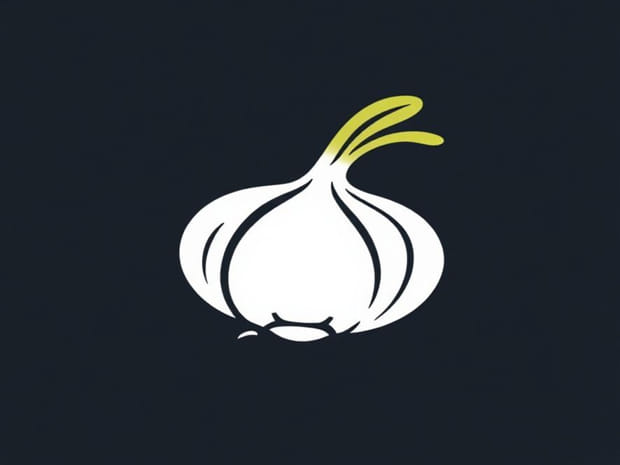
Image Of A Shallot
When you think of the image of a shallot, what often comes to mind is a small, elongated bulb with a coppery-pink to reddish-brown skin. Shallots may look similar to onions, but their flavor and appearance set them apart. They are an essential ingredient in many kitchens, valued for their mild, sweet taste with a subtle hint of garlic. Whether you encounter them fresh at a local market or already sliced in a dish, the unique look and culinary versatility of shallots make them easy to recognize and even easier to appreciate. Understanding the visual details, uses, and history of shallots helps you truly see why this humble bulb is so cherished worldwide.
Recognizing the Image of a Shallot
Shallots belong to the allium family, the same group as onions, garlic, and leeks. However, their shape and size make them distinctive. Typically, a shallot bulb is smaller than a regular onion and often grows in clusters, much like garlic. The outer skin is papery and thin, ranging in color from pale golden to coppery red, depending on the variety. When peeled, the interior reveals several small cloves, each covered with its own delicate skin.
Key Visual Features
- ShapeShallots are elongated or oval compared to the round shape of onions.
- SkinThe skin is thin and papery, often with a reddish, pinkish, or golden tint.
- ClovesInside, they separate into individual segments, similar to garlic.
- SizeThey are usually smaller than onions, ranging from 2 to 6 centimeters long.
When sliced open, shallots display tightly packed, translucent layers that appear finer than those of onions. This structure contributes to their subtle flavor and quick cooking time, making them an attractive ingredient both visually and in terms of taste.
Different Varieties and Their Appearance
Not all shallots look identical. Depending on where they are grown, you may encounter different varieties with slight changes in color and shape. The image of a shallot in France, for example, might differ slightly from those commonly sold in Southeast Asia.
- French ShallotsOften elongated with a reddish-brown skin, these are the classic variety used in European cuisine.
- Gray ShallotsSmaller, rounder, with grayish skin and a slightly stronger flavor.
- Asian ShallotsTypically smaller, rounder, and reddish-purple, often used in fried shallot garnishes.
Each variety has its own subtle differences, but the general image remains the same small, delicate bulbs that hint at a sophisticated flavor inside.
The Image of a Shallot in Culinary Context
Beyond their raw appearance, the image of a shallot transforms once it is sliced, diced, or cooked. In many kitchens, the sight of finely chopped shallots sizzling in a pan of butter or oil is unmistakable. They quickly turn golden and release a sweet aroma, visually signaling the beginning of a flavorful dish. In sauces, soups, or stir-fries, shallots often blend in but leave behind their characteristic smooth flavor.
Shallots in Dishes
- As a garnish, fried shallots appear as golden-brown crisps, adding texture and flavor.
- In vinaigrettes, minced shallots look almost transparent, blending seamlessly into the liquid.
- When roasted whole, their skins wrinkle and darken, while the interior softens into a caramelized sweetness.
Comparing Shallots with Onions and Garlic
One of the best ways to visualize a shallot is to compare it to its close relatives onions and garlic. While onions are round and garlic forms tight, white clusters, shallots fall in between. Their shape is more tapered than onions, and like garlic, they divide into segments. However, their thinner skins and pinkish hue make them distinct. This combination of onion-like layers and garlic-like cloves explains their unique place in both the kitchen and garden.
Growing Shallots From Seed to Bulb
For gardeners, the image of a shallot extends beyond the bulb itself. Shallot plants are graceful, with slender green stalks similar to green onions. These stalks rise from the soil, while the bulbs grow hidden beneath the surface. As the plants mature, the bulbs swell and cluster, eventually forming the shallots we recognize in markets. Seeing them grow provides a deeper appreciation for their structure and how each bulb multiplies naturally, much like garlic.
Nutritional Image of a Shallot
While the physical image is clear, shallots also carry a nutritional image worth noting. They are rich in antioxidants, vitamins, and minerals. Their purple-tinted skins hint at compounds that provide health benefits, while their small size belies their nutritional power. Just as their outer appearance is delicate yet protective, their internal composition contributes to both health and flavor.
Cultural Significance of Shallots
The image of a shallot is not only about its physical form but also about the role it plays in different cultures. In French cuisine, shallots symbolize refinement and subtlety, often used in classic sauces. In Southeast Asian cuisine, their image is tied to street food and traditional meals, where fried shallots decorate soups, noodles, and rice dishes. Across cultures, shallots carry an identity of flavor that is immediately recognized when they appear in a dish.
How to Select Shallots by Appearance
When buying shallots, the image can help you choose the best ones. Look for bulbs that are firm, dry, and heavy for their size. The skin should be intact, smooth, and without dark spots or mold. Avoid shallots that are sprouting or soft, as these are past their prime. Understanding the right image of a fresh shallot ensures you pick ingredients that will deliver the best taste.
Storage and Preservation
In storage, the image of a shallot changes as time passes. Fresh shallots with papery skins will stay in good condition for several weeks if kept in a cool, dry place. Over time, the skin may wrinkle or the bulb may sprout green shoots. These visual signs indicate it is time to use them quickly. For longer preservation, shallots can also be pickled or fried into crispy garnishes, offering a different image altogether.
The image of a shallot goes far beyond its outer appearance. From its small, coppery bulb with delicate skin to the translucent layers inside, shallots are as visually distinct as they are flavorful. They stand out in the garden, in the kitchen, and on the plate. Recognizing their shape, color, and uses allows us to appreciate them not only as an ingredient but also as a symbol of culinary tradition. Whether raw, roasted, or fried, the humble shallot leaves a lasting impression both in appearance and taste, proving that even the smallest bulbs can play a big role in the culinary world.
By learning to identify and value the image of a shallot, you deepen your understanding of this remarkable allium. Its unique form and versatile uses make it an ingredient worth celebrating, from market stalls to fine dining tables. The next time you see a shallot, you will not only recognize its appearance but also remember the important role it plays in global cuisine.