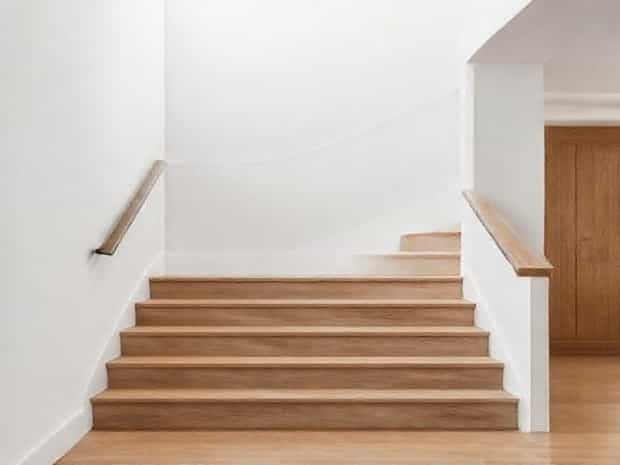
Ideas For Stair Bulkhead
Stair bulkheads are often overlooked elements in home design, but they play a crucial role in both functionality and aesthetics. These structures, typically found where staircases meet ceiling spaces or attics, can serve multiple purposes such as concealing wiring, ductwork, or providing additional storage. While some homeowners might consider a bulkhead purely utilitarian, creative approaches can transform this space into a stylish and integral part of your interior design. There are numerous ideas for stair bulkhead solutions that balance practicality with visual appeal, making your home feel more cohesive and thoughtfully designed.
Understanding the Function of a Stair Bulkhead
Before exploring ideas, it’s important to understand what a stair bulkhead actually does. A bulkhead is essentially a boxed-in area that covers the headspace above a staircase, often where the ceiling height changes or where mechanical systems are hidden. This structure can prevent people from hitting their heads on low ceilings and can also provide a seamless transition between different areas of a home.
Concealment and Safety
One of the primary functions of a stair bulkhead is safety. By covering ductwork, electrical wiring, or plumbing, bulkheads prevent accidents and ensure that the space under the ceiling is fully usable. For homes with steep or narrow staircases, the bulkhead can be designed to prevent head bumps and improve overall safety while walking up or down the stairs.
Design Opportunities
Beyond safety and functionality, stair bulkheads offer numerous opportunities for creative design. They can be customized to blend seamlessly with your home’s interior, whether you prefer a minimalist look, rustic charm, or a modern aesthetic. Bulkheads can be painted, paneled, or even used as storage areas to maximize the utility of otherwise wasted space.
Ideas for Decorative Stair Bulkheads
1. Painted Bulkheads
One of the simplest ways to enhance the look of a stair bulkhead is with paint. Choosing a color that complements your walls, trim, or staircase can make the bulkhead appear as a deliberate part of the room rather than an obstruction. For example, a soft neutral color can make the bulkhead blend seamlessly, while a bold accent color can turn it into a design feature.
2. Wooden Paneling
Wooden panels add texture and warmth to stair bulkheads. You can use horizontal or vertical slats for a modern look or opt for reclaimed wood to bring a rustic feel. Wooden bulkheads also pair well with hardwood stairs, creating a cohesive design that feels intentional and stylish.
3. Incorporating Lighting
Lighting can transform a bulkhead from a functional necessity into an architectural feature. Installing LED strips along the edges or recessed lighting underneath the bulkhead can highlight the staircase and add ambiance. This approach not only improves visibility but also elevates the aesthetic appeal of the stairway.
4. Open Shelving or Storage
If your bulkhead allows for some depth, consider turning it into a storage solution. Open shelves can display decorative items, books, or plants, while closed cabinets can hide clutter. This makes your stair bulkhead both practical and visually appealing.
Creative Structural Ideas
1. Sloped or Angled Bulkheads
Instead of a traditional flat bulkhead, you can design sloped or angled bulkheads that follow the stair’s incline. This creates a more dynamic and visually interesting space, especially in modern homes. Angled bulkheads can also provide more headroom and a sense of openness on narrow staircases.
2. Exposed Beams
For homes with a rustic or industrial style, exposing the structural beams of a bulkhead can add character. This approach turns a purely functional element into a focal point, celebrating the home’s construction rather than hiding it. Beams can be stained or painted to match the staircase or surrounding walls.
3. Glass Panels or Partitions
In contemporary designs, consider using glass panels within the bulkhead structure. Glass allows light to flow between spaces, creating an open and airy feel. Frosted or textured glass can maintain privacy while still allowing light to penetrate the stairwell area.
Material Choices for Stair Bulkheads
1. Drywall
Drywall is the most common material for stair bulkheads. It is easy to shape, paint, and integrate with the surrounding walls. Drywall bulkheads can be customized with trim or molding to match the architectural style of the home.
2. Wood
Wood adds warmth and a tactile element to stair bulkheads. It can be used as solid panels, slats, or even decorative molding. Wood is versatile, suitable for both traditional and modern designs, and can be stained or painted to match your interior.
3. Metal
Metal bulkheads are less common but can add an industrial or modern look. Sheet metal, steel, or aluminum can be used for sleek, minimalist designs, often paired with exposed hardware to emphasize an industrial aesthetic.
Practical Tips for Designing Stair Bulkheads
1. Measure Accurately
Before constructing or modifying a bulkhead, precise measurements are critical. Ensure that the bulkhead provides enough headroom above the stairs and does not interfere with lighting fixtures or railing systems.
2. Consider Ventilation and Access
If the bulkhead conceals ductwork, plumbing, or wiring, make sure it allows for easy access for maintenance. Removable panels or doors can make future repairs or inspections simpler without damaging the structure.
3. Match Your Home’s Style
The bulkhead should complement the existing architecture of your home. Choose materials, colors, and finishes that align with your overall interior design scheme. Consistency in style will make the bulkhead feel like an intentional part of the space.
4. Safety First
Ensure the bulkhead is structurally sound and securely anchored, especially if it’s in a high-traffic area. Rounded edges or protective trim can prevent injuries from accidental contact.
Stair bulkheads, while often considered merely functional, offer a wealth of design possibilities that can enhance both the safety and visual appeal of a home. From painted finishes and wood paneling to lighting integration and creative storage solutions, there are countless ways to customize a bulkhead to fit your space and style. By carefully considering materials, structural design, and aesthetic details, you can transform a simple stair bulkhead into a standout feature that adds value, beauty, and practicality to your home. Whether your goal is a subtle enhancement or a bold design statement, the right stair bulkhead ideas can make a significant difference in how your staircase looks and feels, turning a necessary architectural element into an inspiring part of your interior design.