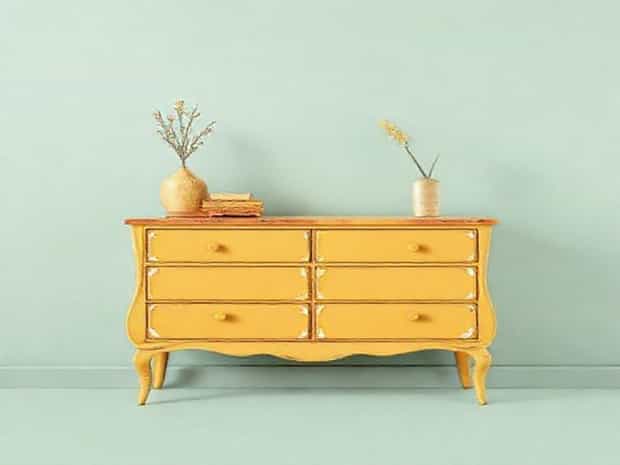
Ideas For Painted Furniture
Painting furniture is a creative and transformative way to refresh your home décor, breathe new life into old pieces, and add a personal touch to your living space. Whether you are working with wooden chairs, cabinets, dressers, or tables, painted furniture offers endless possibilities for style, color, and texture. With the right techniques and inspiration, even a worn-out or outdated piece can become a stunning focal point. Exploring ideas for painted furniture allows homeowners, DIY enthusiasts, and interior designers to experiment with colors, finishes, and patterns to reflect personality and elevate the ambiance of any room.
Choosing the Right Paint for Furniture
The first step in achieving successful painted furniture is selecting the appropriate type of paint. Chalk paint is popular for creating a matte, vintage, or shabby chic look, and it requires minimal surface preparation. Latex paint is versatile and provides a smooth, durable finish suitable for contemporary styles. For a high-gloss, polished appearance, enamel paints are ideal, offering longevity and easy cleaning. Additionally, consider using primer to improve adhesion and ensure that the color stays vibrant over time. Understanding the properties of different paints helps determine the best approach for your project.
- Chalk paint for vintage and matte finishes.
- Latex paint for smooth, durable surfaces.
- Enamel paint for high-gloss, polished looks.
- Use primer for better adhesion and lasting color.
- Consider the type of furniture and room environment.
Exploring Color Ideas
Color is one of the most impactful elements when painting furniture. Neutral tones like white, beige, gray, or black create timeless, elegant pieces that blend seamlessly with most interiors. Bold colors, including navy, emerald green, deep red, or mustard yellow, make a statement and add personality to your space. Soft pastel shades, such as mint green, baby blue, or blush pink, provide a playful, airy feel perfect for bedrooms or children’s rooms. Combining multiple colors or using contrasting tones for drawers, legs, and panels can also create a unique, artistic effect.
- Neutral shades for timeless and versatile looks.
- Bold colors for statement pieces and accent furniture.
- Pastels for a light, playful, or whimsical style.
- Contrasting colors for drawers, legs, or panels.
- Consider color harmony with existing room décor.
Techniques for Painted Furniture
Different painting techniques can dramatically alter the appearance of furniture. Distressing involves lightly sanding edges and surfaces to achieve a weathered, antique look. Ombre painting gradually blends colors from dark to light or across multiple hues for a modern, artistic effect. Stenciling allows for patterns, shapes, or motifs to be added with precision. Dry brushing adds texture and dimension by applying minimal paint with a stiff brush. Additionally, layering multiple paint colors or incorporating metallic or chalk finishes can enhance depth and create a more customized piece.
- Distressing for a vintage or antique look.
- Ombre painting for modern, blended color effects.
- Stenciling to add patterns and decorative motifs.
- Dry brushing for texture and dimensionality.
- Layering colors or metallic finishes for unique designs.
Painting Specific Furniture Pieces
Different furniture pieces may require tailored approaches. For dressers and cabinets, consider painting the body one color and the drawers or doors a complementary shade. Chairs can be transformed by painting the frame and leaving the seat natural or upholstered. Tables, especially dining or coffee tables, benefit from durable finishes and protective topcoats to prevent wear and scratches. Bed frames, shelving units, and desks also offer opportunities for creative color combinations and decorative touches, making the furniture a central feature in the room.
- Dressers and cabinets use complementary colors for drawers and body.
- Chairs paint frames while maintaining or updating the seat.
- Tables apply durable topcoat for protection and longevity.
- Bed frames and desks consider accent colors and patterns.
- Shelving units creative color or stencil designs enhance appeal.
Finishing Touches
Finishing painted furniture properly ensures durability and a professional appearance. Applying a clear topcoat or sealant protects the surface from scratches, moisture, and general wear. Matte, satin, and glossy finishes offer different visual effects, allowing you to tailor the furniture to your preferred style. Hardware such as knobs, handles, or hinges can also be painted, replaced, or updated to complement the overall design. Small details like edging, highlighting, or decorative accents complete the transformation and make your furniture stand out.
- Use clear topcoat or sealant for protection and durability.
- Choose matte, satin, or glossy finish for desired effect.
- Update or paint hardware for a cohesive design.
- Add detailing like edging, highlights, or accents.
- Ensure paint and sealant fully dry before use.
Creative and Innovative Ideas
Beyond traditional painting, consider creative techniques for a truly personalized furniture piece. Chalkboard paint can transform cabinet doors or desks into functional, writable surfaces. Metallic paints add a luxurious touch, suitable for accent tables or decorative shelves. Two-tone or color-blocked designs offer a contemporary, bold look. Decoupage with patterned paper or fabric adds texture and artistic flair. Experimenting with gradients, hand-painted designs, or thematic motifs can result in furniture that is both functional and visually striking.
- Chalkboard paint for writable surfaces on cabinets or desks.
- Metallic paints for a luxurious accent effect.
- Two-tone or color-blocked designs for modern appeal.
- Decoupage with patterned paper or fabric for texture.
- Hand-painted motifs or gradients for artistic customization.
Maintaining Painted Furniture
Once your furniture is painted, proper maintenance is essential to preserve the finish. Avoid harsh chemicals that can strip paint or leave stains. Clean surfaces with a soft, damp cloth and mild soap when necessary. Protect high-traffic areas from scratches and wear by using placemats, coasters, or soft pads. Regular inspection for chips or peeling allows timely touch-ups, keeping your furniture looking fresh and stylish. Consistent care ensures that your painted pieces remain a beautiful focal point for years to come.
- Use soft, damp cloths and mild soap for cleaning.
- Avoid harsh chemicals or abrasive cleaners.
- Protect surfaces with mats, coasters, or padding.
- Inspect and touch up chips or peeling promptly.
- Maintain regular care to prolong paint longevity.
Ideas for painted furniture are only limited by creativity and imagination. From choosing the perfect color to experimenting with techniques like distressing, stenciling, or ombre effects, painted furniture can completely transform a space. Careful preparation, selection of the right paint, and proper finishing techniques ensure durability and aesthetic appeal. By incorporating bold, subtle, or artistic elements, anyone can turn a simple piece of furniture into a centerpiece that reflects personal style and enhances the homeâs overall décor. Painting furniture is not just a DIY project but an opportunity to express creativity and make functional art in everyday life.