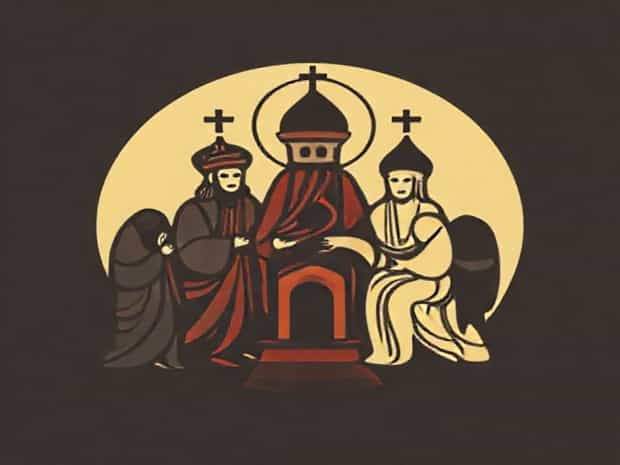
Icon Of The First Ecumenical Council
The icon of the First Ecumenical Council is a profound representation of one of the most significant moments in the history of Christianity. This council, also known as the Council of Nicaea, convened in 325 AD under the authority of Emperor Constantine, aimed to address critical theological disputes, particularly the nature of Christ and the doctrine of the Trinity. The icon serves not only as a visual record of this historic event but also as a theological teaching tool, encapsulating the essence of Christian belief and the unity of the Church. It reflects the reverence for the decisions made at the council and the role of the bishops in shaping orthodox doctrine.
Historical Context of the First Ecumenical Council
The First Ecumenical Council took place in the city of Nicaea, located in modern-day Turkey. At that time, Christianity was emerging from a period of persecution and was beginning to establish its identity within the Roman Empire. Disputes over Christ’s divinity, especially the teachings of Arius who argued that Christ was a created being and not co-eternal with God the Father, threatened the unity of the Church. The council brought together bishops from across the empire to deliberate, debate, and define the orthodox understanding of the nature of Christ, resulting in the Nicene Creed, which affirmed the full divinity of Jesus Christ.
The Purpose and Significance of the Council
The primary purpose of the council was to resolve theological disagreements that could have fractured the Christian community. By establishing a unified doctrine, the council sought to maintain doctrinal consistency, preserve the integrity of Christian teachings, and prevent the spread of heresy. The icon of the council reflects this purpose by depicting the bishops in a state of reverent discussion, emphasizing their role as spiritual leaders guided by divine wisdom. The gathering symbolizes unity, collective discernment, and the affirmation of core beliefs that continue to shape Christianity.
Elements of the Icon
Icons of the First Ecumenical Council are rich with symbolism and artistic elements that convey theological meaning. Typically, the central figure in the icon is Christ enthroned, representing His divine authority and presence at the council. Surrounding Christ are the assembled bishops, often depicted holding scrolls or books that symbolize the scriptures and their deliberations. The layout of the icon emphasizes order and hierarchy, with the most important figures placed prominently, reflecting their role in guiding the Church toward doctrinal truth.
Symbolism and Interpretation
- Christ EnthronedSignifies the divine authority overseeing the council and guiding the bishops’ decisions.
- Bishops Holding ScrollsRepresents the engagement with scripture and the formulation of theological decrees.
- Architectural ElementsOften a domed or hall-like setting reflects the gathering place of the council and symbolizes the unity of the Church.
- Gestures and ExpressionsThe gestures of teaching, listening, or blessing indicate the collaborative and spiritual nature of the deliberations.
Theological Importance of the Icon
The icon serves as more than a historical depiction; it is a visual theology that communicates the essence of the council’s decisions. By showing Christ at the center, the icon reinforces the idea that all doctrinal decisions are grounded in His authority. The bishops’ attentive and prayerful posture illustrates the dependence on divine guidance in matters of faith. This visual representation reinforces the teaching that the Church, guided by the Holy Spirit, is responsible for safeguarding the truth of the Gospel.
Educational Function
Icons have traditionally been used in Christian communities as tools for instruction and reflection. The icon of the First Ecumenical Council helps believers understand the historical and spiritual significance of the council. It reminds Christians of the importance of theological clarity, the defense of orthodoxy, and the unity of the Church. By meditating on the icon, viewers are invited to contemplate the divine order, the role of Church leaders, and the enduring relevance of the Nicene Creed.
Liturgical and Devotional Use
In addition to its educational role, the icon is also used in liturgical and devotional contexts. Churches often display the icon during feast days associated with the council or when celebrating the affirmation of Christian doctrine. It serves as a visual focus for prayer, inspiring reverence and reflection on the decisions that shaped the faith. The icon reminds the faithful that the work of the council was guided by God’s providence and that adherence to orthodox teaching is a form of worship and devotion.
Encouraging Unity Among Believers
The icon also has a symbolic function in promoting unity among Christians. By depicting the assembly of bishops from different regions, it emphasizes the idea that the Church is a global body united in faith. The council’s decisions were not the work of a single individual but a collaborative effort, guided by divine inspiration. The icon communicates that true faith involves both personal devotion and collective responsibility to uphold the teachings of Christ.
Artistic Tradition and Style
The icon of the First Ecumenical Council reflects the artistic conventions of Eastern Christian iconography. Artists employ a combination of symbolic colors, stylized forms, and hierarchical composition to convey spiritual truths. Gold backgrounds often signify divine light and presence, while the placement of figures indicates importance and authority. Despite variations in style over centuries, the core elements Christ at the center, the assembly of bishops, and symbolic gestures remain consistent, highlighting the enduring spiritual and theological significance of the council.
Modern Relevance
Even today, the icon remains a powerful reminder of the foundational principles of Christianity. It continues to inspire believers to uphold the truths of the Nicene Creed, to value unity and collaboration in matters of faith, and to seek divine guidance in all aspects of spiritual life. By contemplating the icon, Christians are reminded that the Church’s teachings are rooted in both historical deliberation and divine authority, bridging the past with present spiritual practice.
The icon of the First Ecumenical Council is a rich and meaningful depiction of a pivotal moment in Christian history. Through its symbolism, artistic elements, and theological depth, it communicates the importance of unity, divine guidance, and the defense of orthodox faith. It teaches believers about the authority of Christ, the role of Church leaders, and the necessity of upholding truth in the face of doctrinal disputes. As both an educational and devotional tool, the icon continues to influence Christians, inspiring faith, reflection, and reverence for the enduring legacy of the Council of Nicaea and the foundational principles it established for the Church.