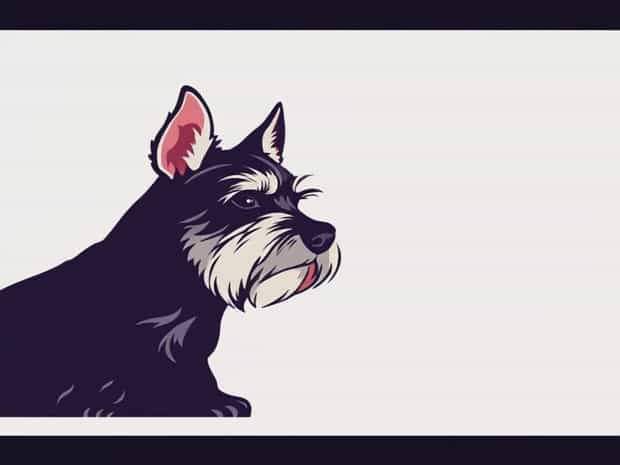
I Hate My Miniature Schnauzer
Feeling frustrated or resentful toward a pet can be confusing and emotionally challenging. When someone says, I hate my miniature schnauzer, it is important to understand that these feelings are often rooted in behavioral issues, lifestyle mismatches, or unmet expectations rather than a true desire to harm the pet. Miniature Schnauzers are energetic, intelligent, and affectionate dogs, but they can also be stubborn, vocal, or difficult to train. Recognizing why these feelings arise is the first step in improving the relationship and creating a happier environment for both owner and dog.
Understanding the Breed
Miniature Schnauzers are small, robust dogs known for their distinctive bearded faces and alert personalities. They are often described as friendly, intelligent, and loyal. However, their high energy levels and strong-willed nature can create challenges for owners who are unprepared for consistent training and engagement. Understanding the breed’s characteristics can help explain some of the behaviors that might lead an owner to feel frustrated or overwhelmed.
Common Behavioral Challenges
Several behaviors typical of Miniature Schnauzers can trigger negative emotions in their owners
- Excessive BarkingSchnauzers are naturally alert and protective, which can result in frequent barking at strangers or noises.
- StubbornnessTheir intelligence sometimes manifests as stubbornness, making training a challenge.
- Separation AnxietyMiniature Schnauzers often develop strong bonds with their owners, which can lead to destructive behavior when left alone.
- High EnergyWithout sufficient exercise and mental stimulation, they can become restless and difficult to manage.
Psychological Reasons for Frustration
Feeling hate toward a pet is often a reflection of the owner’s stress, lack of preparedness, or mismatched expectations. Psychologists note that emotions toward pets can be intensified by external stressors, personal challenges, or feeling overwhelmed by responsibilities. In many cases, the word hate expresses temporary frustration rather than permanent animosity.
Owner Lifestyle Mismatch
Miniature Schnauzers require active engagement, training, and social interaction. Owners with demanding work schedules, limited space, or little experience with dogs may find it difficult to meet these needs. This mismatch can result in behavioral issues that exacerbate feelings of frustration. Recognizing lifestyle compatibility is crucial in understanding why some owners might struggle to bond with their Schnauzer.
Training and Behavior Solutions
Addressing the challenges that lead to frustration is key to transforming negative feelings into a positive relationship. Miniature Schnauzers respond well to consistent, positive reinforcement training. Here are some effective strategies
- Establish RoutineSet regular feeding, walking, and playtimes to provide structure.
- Positive ReinforcementReward good behavior with treats, praise, or playtime rather than using punishment.
- SocializationExpose the dog to different people, animals, and environments to reduce anxiety and fear-based behaviors.
- Mental StimulationUse puzzle toys, obedience training, and interactive games to channel intelligence and energy productively.
- Professional TrainingEnlisting a certified dog trainer or behaviorist can help address stubborn or destructive behaviors.
Exercise and Mental Engagement
Miniature Schnauzers require both physical and mental stimulation to remain balanced. Daily walks, play sessions, and interactive toys can reduce restlessness and negative behaviors. Providing adequate outlets for energy and curiosity not only improves the dog’s behavior but also reduces stress for the owner, helping to alleviate feelings of resentment.
Emotional Management for Owners
It is essential for owners experiencing negative feelings toward their Schnauzer to manage their emotions constructively. Acknowledging frustration without guilt allows for proactive solutions. Techniques include
- Taking breaks when feeling overwhelmed to prevent emotional escalation.
- Seeking support from friends, family, or online communities of dog owners.
- Reflecting on positive aspects of the pet, such as affection, loyalty, or moments of humor.
- Educating oneself about breed-specific needs and behavior patterns.
Understanding Attachment Dynamics
Attachment between humans and pets is complex. Negative feelings can sometimes be a result of unmet expectations or misunderstanding the dog’s behavior. Recognizing the emotional needs of both the owner and the pet can create empathy and patience, helping to reduce conflict and build a healthier, more loving bond over time.
When to Seek Professional Help
Persistent negative feelings, aggressive behavior, or destructive habits may indicate that professional intervention is necessary. Veterinarians, dog trainers, and behaviorists can provide tailored solutions that address the root causes of these challenges. In extreme cases, therapy for the owner may also help in managing emotions and stress related to pet care. Seeking help is a responsible choice that prioritizes both the well-being of the dog and the mental health of the owner.
Adoption and Rehoming Considerations
In rare situations where the bond cannot be repaired despite consistent efforts, rehoming the dog to a more compatible environment may be considered. Responsible rehoming ensures that the pet receives the care, attention, and energy levels it requires, while the owner can relieve ongoing stress and guilt. This option should always be approached thoughtfully, prioritizing the dog’s welfare above all.
Building a Positive Relationship
Transforming the sentiment of I hate my miniature schnauzer into a positive experience requires patience, commitment, and understanding. Owners can focus on
- Establishing trust and communication with their dog.
- Implementing consistent training methods and positive reinforcement.
- Engaging in daily activities that satisfy both the dog’s and owner’s needs.
- Celebrating small successes to foster a sense of accomplishment and bonding.
Benefits of a Healthy Bond
When the challenges are addressed effectively, the relationship with a Miniature Schnauzer can become deeply rewarding. These dogs are affectionate, loyal, and entertaining, providing companionship, emotional support, and joy. Overcoming the difficulties that initially caused negative feelings often strengthens the bond, resulting in a more harmonious and fulfilling pet-owner relationship.
Feeling frustrated or resentful toward a miniature schnauzer is a common experience that can be addressed through understanding, training, and emotional management. Recognizing the breed’s specific traits, providing consistent care and stimulation, and seeking professional guidance when necessary can transform negative feelings into a positive and rewarding relationship. By addressing both behavioral and emotional challenges, owners can create an environment where the dog thrives, and mutual trust and affection flourish. Ultimately, even moments of frustration can become opportunities for learning, growth, and deeper connection with a beloved pet.