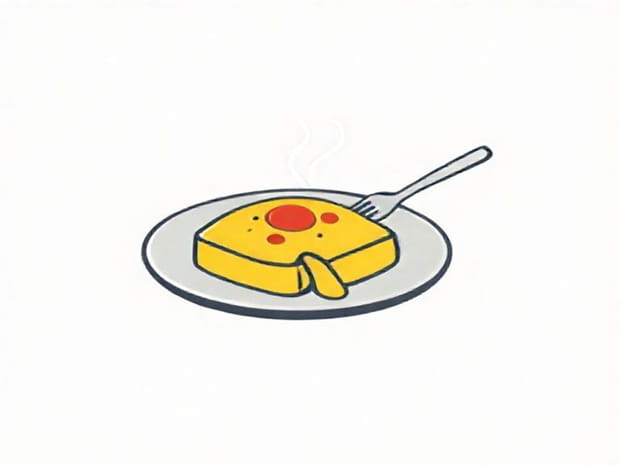
I Celiaci Possono Mangiare La Polenta
Polenta is a traditional Italian dish made from ground cornmeal that has been a staple in many households for centuries. For individuals with celiac disease, dietary restrictions are a crucial concern, and understanding which foods are naturally gluten-free is essential. Polenta, made from corn, is naturally free from gluten, making it a potentially safe and versatile option for celiacs. However, it is important to consider how polenta is prepared and served to avoid accidental exposure to gluten. With the right precautions, celiacs can enjoy polenta as part of a balanced and delicious diet.
What is Polenta?
Polenta is made by boiling cornmeal in water or broth until it reaches a creamy or firm consistency, depending on preference. It can be served soft and creamy or allowed to cool, then sliced and grilled or fried. Polenta can be enjoyed plain or accompanied by sauces, cheeses, vegetables, and meats, making it a highly versatile dish in Italian cuisine. Its naturally gluten-free base makes it an excellent choice for individuals avoiding gluten, but cross-contamination must always be considered.
Polenta and Celiac Disease
Celiac disease is an autoimmune disorder in which the ingestion of gluten leads to damage in the small intestine. Gluten is found in wheat, barley, and rye, so people with celiac disease must avoid foods containing these grains. Since polenta is made from corn, it does not naturally contain gluten, making it suitable for a gluten-free diet. However, attention must be paid to potential sources of contamination
- ProcessingCornmeal can sometimes be processed in facilities that also handle wheat, barley, or rye, leading to cross-contamination.
- PreparationPolenta prepared with broths, sauces, or toppings containing gluten must be avoided or modified.
- Utensils and SurfacesUsing shared kitchen tools, cutting boards, or pans that have come into contact with gluten-containing foods can pose a risk.
By selecting certified gluten-free cornmeal and taking precautions in the kitchen, polenta can be safely enjoyed by individuals with celiac disease.
How to Ensure Polenta is Gluten-Free
For celiacs, making polenta safe requires attention to detail and careful planning. Here are some tips to ensure a gluten-free preparation
- Buy Certified Gluten-Free CornmealLook for products labeled as gluten-free, which have been tested to ensure they contain less than 20 ppm of gluten.
- Check IngredientsAvoid mixes that contain wheat flour, barley malt, or any additives that may include gluten.
- Use Separate CookwarePrepare polenta in pots and utensils that have not been used for gluten-containing foods.
- Prepare Gluten-Free ToppingsSauces, cheeses, and meats added to polenta should also be gluten-free to prevent contamination.
Serving Polenta for Celiacs
Polenta can be served in many ways while keeping it safe for individuals with celiac disease. Some popular gluten-free serving ideas include
- Soft PolentaServe creamy polenta with vegetables, tomato sauce, or a drizzle of olive oil for a comforting meal.
- Grilled or Fried PolentaChill cooked polenta, cut it into slices, and grill or pan-fry. Top with cheese or gluten-free sauces.
- Polenta CasserolesLayer polenta with gluten-free ingredients such as sautéed vegetables, cheese, or cooked meats for a hearty dish.
- Breakfast PolentaSweeten polenta with honey or fruit for a gluten-free breakfast alternative to porridge.
Polenta in Italian Cuisine
Polenta has a long history in Italian cuisine, especially in Northern Italy. Traditionally, it was a staple for rural communities and has evolved into both everyday meals and gourmet dishes. In restaurants or social settings, celiacs must inquire about preparation methods to ensure the dish remains gluten-free. When prepared carefully, polenta allows celiacs to enjoy authentic Italian flavors without compromising their health.
Benefits of Polenta for Celiacs
Besides being naturally gluten-free, polenta offers nutritional and practical benefits for individuals with celiac disease
- DigestibilityCornmeal is generally easy to digest, making it gentle on the digestive system.
- VersatilityPolenta can be adapted to savory or sweet dishes, offering flexibility in meal planning.
- Low in AllergensPolenta does not contain common allergens such as wheat, making it suitable for multiple dietary restrictions.
- Nutritional ValuePolenta provides carbohydrates for energy and can be enriched with dairy, vegetables, or proteins for a balanced meal.
Polenta Recipes for Celiacs
Several polenta recipes are naturally gluten-free and suitable for celiacs
- Classic Creamy PolentaCook cornmeal slowly in water or gluten-free broth, then stir in butter and cheese for a creamy consistency.
- Polenta with Mushroom SauceServe soft polenta topped with sautéed mushrooms, garlic, and herbs for a hearty vegetarian meal.
- Polenta LasagnaLayer slices of firm polenta with gluten-free tomato sauce, cheese, and vegetables for a lasagna alternative.
- Polenta FriesChill polenta, cut into strips, and bake or fry for a crunchy, gluten-free snack.
For individuals with celiac disease, polenta is a safe and versatile food when prepared with care. Made from cornmeal, it is naturally gluten-free, but attention must be given to cross-contamination during processing and cooking. By selecting certified gluten-free cornmeal, using separate utensils, and avoiding gluten-containing toppings, celiacs can enjoy polenta in a variety of delicious forms. From creamy breakfast bowls to grilled savory dishes and hearty casseroles, polenta offers both nutrition and satisfaction, allowing those with celiac disease to experience traditional Italian flavors safely and confidently.
“