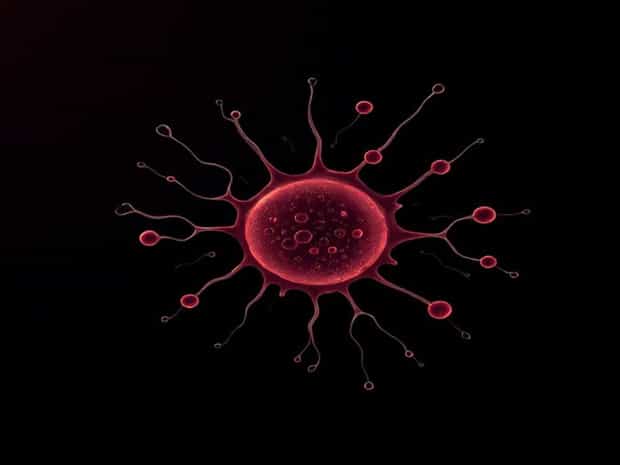
Hyperchromatic Nuclei And Scant Cytoplasm
In the study of cellular morphology, particularly in pathology and cytology, the terms hyperchromatic nuclei” and “scant cytoplasm” are frequently encountered. These characteristics are often observed under a microscope and serve as important diagnostic indicators. Hyperchromatic nuclei refer to cell nuclei that appear darker than normal due to an increased density of chromatin, while scant cytoplasm indicates that the cell has a very limited amount of cytoplasmic material surrounding the nucleus. These features are commonly associated with malignant or rapidly proliferating cells, and understanding them is essential for accurate diagnosis, cancer grading, and treatment planning.
Understanding Hyperchromatic Nuclei
The nucleus of a cell contains genetic material, primarily DNA, organized into chromatin. Under normal conditions, chromatin is distributed evenly, and the nucleus maintains a balanced staining pattern. Hyperchromatic nuclei, however, exhibit increased staining intensity when observed under a microscope. This is due to a higher concentration of chromatin or changes in chromatin structure, which is often indicative of abnormal cell activity or malignancy.
Causes of Hyperchromasia
- Genetic MutationsAbnormal DNA replication and mutations can lead to increased chromatin content in the nucleus.
- Rapid Cell DivisionCells undergoing uncontrolled proliferation, such as cancer cells, often display hyperchromatic nuclei due to condensed and abundant chromatin.
- Cellular StressExposure to toxins, radiation, or viral infections can alter chromatin structure, leading to hyperchromasia.
Clinical Significance
Hyperchromatic nuclei are a hallmark of several pathological conditions, particularly neoplastic disorders. Their presence can indicate malignancy, the degree of tumor aggressiveness, and abnormal cellular activity. In cytology smears, hyperchromatic nuclei help pathologists distinguish between benign, precancerous, and malignant cells. For example, in cervical Pap smears, cells showing hyperchromatic nuclei with irregular contours may suggest high-grade dysplasia or carcinoma.
Scant Cytoplasm in Cells
Scant cytoplasm refers to a reduced amount of cytoplasmic material surrounding the nucleus. In healthy cells, cytoplasm contains organelles, proteins, and other materials essential for cellular function and metabolism. When the cytoplasm is scant, the nucleus occupies a larger proportion of the cell, which is often quantified as an increased nuclear-to-cytoplasmic (NC) ratio. This feature is commonly observed in immature or malignant cells.
Causes of Scant Cytoplasm
- Immature CellsEarly precursor cells, such as blasts in bone marrow, naturally have less cytoplasm compared to mature cells.
- Malignant TransformationRapidly dividing cancer cells often have scant cytoplasm due to prioritization of nuclear replication over cytoplasmic development.
- Cellular AtrophyCertain stressors or pathological conditions can lead to shrinkage of cytoplasm while the nucleus remains prominent.
Diagnostic Importance
Scant cytoplasm is an important cytological indicator when evaluating cells for malignancy. A high nuclear-to-cytoplasmic ratio, combined with hyperchromatic nuclei, is suggestive of aggressive or poorly differentiated tumors. In hematology, for instance, leukemic blasts exhibit both hyperchromatic nuclei and scant cytoplasm, which aids in identifying the type and severity of leukemia. Similarly, in solid tumors, such as high-grade carcinomas, these features are crucial for grading and staging.
Correlation Between Hyperchromatic Nuclei and Scant Cytoplasm
Hyperchromatic nuclei and scant cytoplasm are often seen together in rapidly proliferating or malignant cells. The combination of these features reflects a cell that is highly focused on nuclear replication and division, with minimal cytoplasmic development. This pattern is particularly evident in small round cell tumors, such as lymphomas, small cell carcinoma, and certain sarcomas. Recognizing this correlation allows pathologists to make more accurate assessments of cellular behavior and potential malignancy.
Examples in Pathology
- Acute LeukemiaBlasts in bone marrow display hyperchromatic nuclei with scant cytoplasm, signaling immature and proliferative cells.
- Small Cell Lung CarcinomaTumor cells often show a high NC ratio with dark, hyperchromatic nuclei.
- NeuroblastomaMalignant neuroblasts demonstrate similar cytological features, aiding in early diagnosis.
Techniques for Identification
Identifying hyperchromatic nuclei and scant cytoplasm requires careful microscopic examination, often using specific staining techniques. Hematoxylin and eosin (H&E) staining is commonly employed to highlight nuclear and cytoplasmic structures. Hematoxylin stains the nucleus dark blue or purple, making hyperchromasia evident, while eosin stains the cytoplasm pink, revealing its relative scarcity. Additional stains, such as Giemsa or Papanicolaou, can provide further detail in specialized cytological studies.
Role of Immunocytochemistry
In some cases, immunocytochemical markers are used to confirm the nature of cells exhibiting hyperchromatic nuclei and scant cytoplasm. These markers can help differentiate between different types of malignancies, such as distinguishing lymphoid blasts from myeloid blasts in leukemia. By combining morphological features with molecular markers, pathologists can improve diagnostic accuracy and guide treatment decisions.
Implications for Prognosis and Treatment
The presence of hyperchromatic nuclei and scant cytoplasm has significant implications for prognosis and therapeutic planning. Cells displaying these features are often highly proliferative, indicating aggressive disease. Identifying these characteristics early allows clinicians to implement more intensive treatment regimens, monitor response to therapy, and assess risk of relapse. For example, in hematologic malignancies, the percentage of blasts with these features correlates with disease severity and influences chemotherapy strategies.
Challenges in Interpretation
- Hyperchromatic nuclei can sometimes appear in reactive or inflammatory cells, which may complicate diagnosis.
- Scant cytoplasm in some immature or regenerative cells may mimic malignant features.
- Combining multiple diagnostic criteria, including nuclear morphology, cytoplasmic features, and molecular markers, is essential for accurate evaluation.
Hyperchromatic nuclei and scant cytoplasm are key cytological features that indicate increased nuclear activity, rapid cell division, and often malignant transformation. Understanding these characteristics is crucial for identifying aggressive tumors, evaluating immature cells, and planning appropriate therapeutic interventions. While hyperchromatic nuclei reflect chromatin density and nuclear abnormalities, scant cytoplasm indicates a high nuclear-to-cytoplasmic ratio typical of immature or malignant cells. The correlation between these features is widely observed in hematologic and solid tumors, making them essential markers in pathology and cytology. By recognizing and interpreting these cellular patterns, medical professionals can make informed diagnostic and treatment decisions, ultimately improving patient outcomes and advancing our understanding of disease processes.