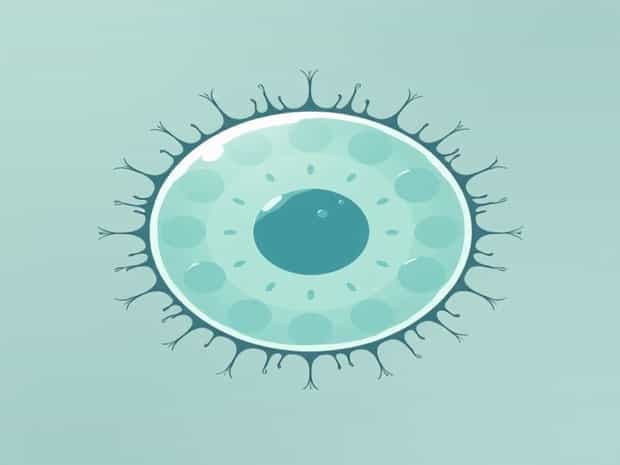
How Vacuole Maintain Cell Turgidity
In plant cells, the vacuole plays a critical role in maintaining cell turgidity, which is essential for structural support, nutrient storage, and overall cellular function. The vacuole is a large, membrane-bound organelle that occupies a significant portion of the cell’s interior and is filled with a fluid called cell sap. This fluid contains water, ions, sugars, and other solutes that contribute to osmotic balance. By regulating water uptake and internal pressure, the vacuole ensures that plant cells remain firm and maintain their shape. Understanding how vacuoles maintain turgidity provides insight into plant physiology, growth, and their ability to withstand environmental stress.
Structure and Composition of the Vacuole
The vacuole is enclosed by a membrane known as the tonoplast, which controls the movement of ions, water, and other molecules into and out of the organelle. Inside the vacuole, cell sap serves as a reservoir for water and solutes. The tonoplast contains specialized transport proteins that regulate the entry and exit of substances, maintaining an appropriate internal environment. The size and volume of the vacuole can vary depending on the type of cell and environmental conditions. A fully expanded vacuole presses against the cell wall, generating turgor pressure that keeps the plant cell firm and supports the plant’s upright posture.
Key Components
- Tonoplast The vacuole’s selective membrane controlling transport.
- Cell sap A solution of water, ions, sugars, and metabolic by-products.
- Transport proteins Facilitate movement of solutes and water.
- Enzymes Assist in breaking down cellular waste or macromolecules.
- Storage molecules Including nutrients, pigments, and secondary metabolites.
Osmosis and Water Regulation
The primary mechanism through which the vacuole maintains cell turgidity is osmosis. Water moves from regions of lower solute concentration outside the vacuole into the vacuole, where solute concentration is higher. This influx of water causes the vacuole to swell, pressing the cytoplasm against the cell wall. This pressure, called turgor pressure, provides mechanical support to the cell. The tonoplast actively regulates the concentration of solutes to ensure water flows into the vacuole efficiently, maintaining optimal turgidity and preventing wilting in plants.
Osmotic Process Steps
- Accumulation of solutes in the vacuole increases internal osmotic potential.
- Water enters the vacuole through osmosis from the cytoplasm and surrounding medium.
- Vacuole expansion exerts pressure on the cytoplasm and cell wall.
- Turgor pressure is established, maintaining cell firmness.
- Excess water can be released to avoid over-expansion and cell damage.
Role of Turgor Pressure
Turgor pressure generated by the vacuole is critical for maintaining plant structure. Cells with high turgor are firm, supporting stems, leaves, and other tissues. When turgor is lost due to water deficit or plasmolysis, cells become flaccid, leading to wilting. Vacuoles act as a buffer, storing water during periods of availability and releasing it when needed. Turgor pressure also aids in cell expansion during growth, allowing plant tissues to elongate and develop properly. Without proper vacuole function, plants would be unable to maintain rigidity, affecting both physical stability and physiological processes.
Functions of Turgor Pressure
- Maintains structural integrity of plant tissues.
- Supports stems, leaves, and flowers for optimal exposure to sunlight.
- Facilitates cell growth and elongation.
- Prevents wilting under normal water conditions.
- Assists in transport of nutrients and metabolites within the cell.
Storage of Solutes and Their Role in Turgidity
The vacuole stores various solutes, including potassium, calcium, and organic acids, which contribute to osmotic balance. These solutes attract water into the vacuole, maintaining the internal pressure necessary for turgidity. Sugars, amino acids, and other small molecules in the vacuole also play a role in osmotic regulation, particularly under stress conditions such as drought or salinity. By adjusting solute concentrations, vacuoles help cells adapt to changes in the environment, maintaining turgor pressure and overall plant health.
Solute Contributions
- Potassium ions Major contributors to osmotic pressure.
- Calcium and magnesium Stabilize cell structures and regulate osmotic flow.
- Organic acids and sugars Increase osmotic potential and attract water.
- Secondary metabolites May contribute to stress tolerance.
- Dynamic adjustment Solute levels can change in response to environmental conditions.
Adaptation to Environmental Stress
Vacuoles play a vital role in helping plant cells withstand environmental stress. During drought, the vacuole releases stored water to maintain turgor pressure, preventing cell collapse. In saline conditions, vacuoles can sequester excess ions to reduce cytoplasmic toxicity while maintaining osmotic balance. This ability to regulate internal water and solute levels allows plants to survive fluctuating environmental conditions, ensuring that cells remain turgid and functional even under adverse circumstances.
Stress Adaptation Mechanisms
- Release of stored water during dehydration to maintain turgor.
- Sequestration of toxic ions to prevent cellular damage.
- Osmotic adjustment to maintain cell pressure under salinity stress.
- Support for continued growth despite environmental challenges.
- Buffering of cytoplasm to protect organelles from osmotic shock.
Vacuole and Plant Growth
The vacuole’s role in turgidity is also essential for plant growth. As cells absorb water and expand, the vacuole provides the internal pressure necessary for elongation. This cell expansion is critical during tissue development, leaf expansion, and root growth. By regulating turgor, the vacuole enables plant cells to grow in a controlled manner, ensuring that tissues develop correctly and that the plant can achieve structural integrity. Turgor-driven growth is an energy-efficient method, relying primarily on water influx rather than extensive cytoskeletal remodeling.
Growth-Related Functions
- Provides turgor pressure for cell elongation.
- Supports expansion of leaves and stems.
- Facilitates root penetration into soil.
- Enables efficient tissue differentiation and organ formation.
- Contributes to overall plant development and height.
The vacuole is a central organelle for maintaining cell turgidity, providing both structural support and osmotic balance. Through osmosis and regulated solute storage, vacuoles generate turgor pressure that keeps plant cells firm, supports tissue integrity, and facilitates growth. Their role extends beyond maintaining shape, contributing to stress adaptation, nutrient storage, and energy-efficient cell expansion. By understanding how vacuoles maintain turgidity, it becomes clear that these organelles are indispensable for plant health, growth, and survival, demonstrating their essential function in plant physiology and adaptation to environmental challenges.