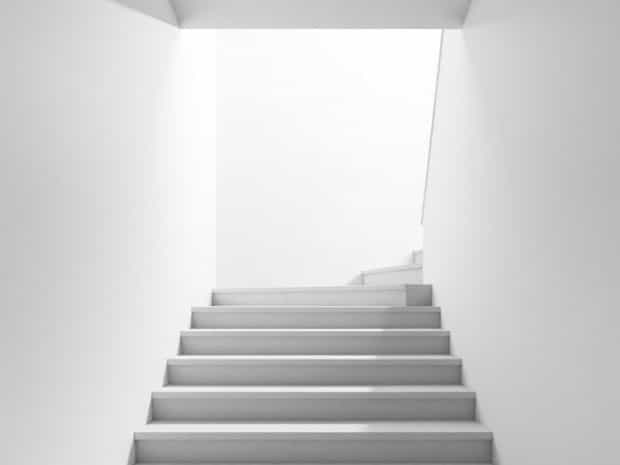
How To Wallpaper A Stairwell Without Scaffolding
Wallpapering a stairwell can seem like a daunting task, especially when you do not have access to scaffolding or tall ladders. Stairwells are often narrow, tall, and awkwardly shaped, which can make traditional wallpaper installation methods difficult. However, with careful planning, the right tools, and practical techniques, you can wallpaper a stairwell safely and effectively without scaffolding. This approach requires patience, precise measurement, and strategic movement along the stairs to ensure a smooth, professional-looking finish. Understanding how to handle the vertical surfaces and tricky angles is key to achieving a flawless result.
Planning Your Stairwell Wallpaper Project
Before beginning the wallpapering process, thorough planning is essential. This involves measuring your stairwell, choosing the appropriate wallpaper type, and gathering the necessary tools. Accurate planning will save time, reduce errors, and ensure a smooth installation process.
Measure Your Stairwell
Start by measuring the height and width of each wall in the stairwell. Remember that stairwells are not uniform; walls may have sloping ceilings or varying widths. Measure from the base of the stairs to the ceiling at several points to account for inconsistencies. Write down the measurements for each section to calculate the amount of wallpaper required. Overestimating slightly is better than running out mid-project.
Choose the Right Wallpaper
Select wallpaper suitable for stairwells. Vinyl or non-woven wallpapers are durable and easier to handle on vertical surfaces. Patterns should align carefully, so consider whether a repeating pattern is necessary. Lighter wallpapers are easier to manage alone or with minimal help.
Gather Necessary Tools
- Wallpaper paste or pre-pasted wallpaper
- Wallpaper smoothing tool
- Measuring tape
- Level or plumb line
- Utility knife or scissors
- Step ladder or folding ladder (optional, for higher sections)
- Drop cloths to protect stairs
Preparing the Stairwell Walls
Proper wall preparation is crucial for a smooth wallpaper application. Dirty, uneven, or damp walls can prevent the wallpaper from adhering correctly.
Clean the Walls
Remove dust, dirt, and grease from the walls using a damp cloth or mild detergent. Pay special attention to corners and edges where grime accumulates. Allow the walls to dry completely before applying wallpaper.
Repair and Smooth Surfaces
Fill any holes, cracks, or dents with spackle or wall filler. Sand the walls until smooth, ensuring a flat surface for the wallpaper. Uneven areas can cause bubbles or wrinkles during installation, especially in a vertical stairwell.
Applying Wallpaper Without Scaffolding
Working without scaffolding means you need a safe and efficient method to reach high sections. Using the stairs themselves, combined with careful positioning and step ladders if necessary, will allow you to manage the height safely.
Start from the Top or Bottom?
Decide whether to start from the top of the stairwell or the bottom. Many professionals prefer starting at the top because gravity helps align the wallpaper downward. However, starting at the bottom can also work if it feels safer for your setup. Use a plumb line to draw a straight vertical guide where the first strip will go.
Work in Sections
Divide the wall into manageable sections. This prevents the wallpaper from drying out before it is smoothed and aligned. Apply one strip at a time, smoothing from the center outward to remove air bubbles. Use the stairs to move up gradually, rather than stretching to reach high points.
Use a Step Ladder Strategically
If certain sections are too high to reach safely, a small folding step ladder placed securely on a flat step can provide extra height. Avoid standing on the stairs themselves at extreme angles; stability is essential for both safety and precision. Always have someone nearby for support if possible.
Align Patterns Carefully
For patterned wallpaper, alignment is critical. Check the pattern at the top and bottom of each strip before smoothing it fully. Adjust carefully to ensure continuity, especially along the angled portions of the stairwell.
Trimming and Finishing Edges
Trimming is necessary for a neat finish along ceilings, corners, and baseboards. Use a utility knife with a sharp blade to cut along edges precisely. A metal ruler can help guide straight cuts. Take extra care when trimming near stairs to avoid slipping or damaging the wallpaper.
Sealing and Touch-Ups
After all wallpaper strips are applied, inspect the entire stairwell for bubbles, wrinkles, or misalignments. Smooth out imperfections with a wallpaper smoothing tool. If needed, apply extra adhesive to edges that may peel. Proper finishing ensures a long-lasting and professional result.
Tips for Safe and Efficient Wallpapering
- Use drop cloths to protect the stairs from paste and debris.
- Wear non-slip shoes to prevent accidents on steps.
- Take breaks frequently to reduce fatigue, which can cause mistakes.
- Keep your tools organized and within easy reach while working.
- Consider having an extra pair of hands for holding long strips or reaching high areas.
Common Mistakes to Avoid
When wallpapering a stairwell without scaffolding, certain mistakes can hinder your progress
Misaligned Strips
Not using a plumb line can cause strips to lean, which is noticeable on vertical stairwell walls. Always measure and align carefully.
Rushing the Process
Wallpapering requires patience. Applying strips too quickly can lead to bubbles, wrinkles, and adhesive drying out before proper smoothing.
Neglecting Safety
Standing on uneven steps or stretching too far is dangerous. Always prioritize stability and consider using small ladders instead of leaning awkwardly.
Maintaining Your Stairwell Wallpaper
Once the wallpaper is installed, maintenance is essential to preserve its appearance. Dust regularly with a soft cloth or vacuum with a brush attachment. Clean lightly with a damp sponge if needed, but avoid excessive moisture. Promptly repair any peeled edges or damage to prevent further issues.
Wallpapering a stairwell without scaffolding is entirely possible with careful planning, the right tools, and proper techniques. By measuring accurately, preparing walls thoroughly, and working in manageable sections, you can achieve a smooth and professional finish. Strategic use of the stairs and small step ladders ensures safety while allowing access to higher areas. Aligning patterns, trimming edges carefully, and maintaining the wallpaper afterward will give your stairwell a stunning, finished look. With patience, organization, and attention to detail, even a challenging space like a stairwell can be transformed beautifully without the need for expensive scaffolding or complex equipment.