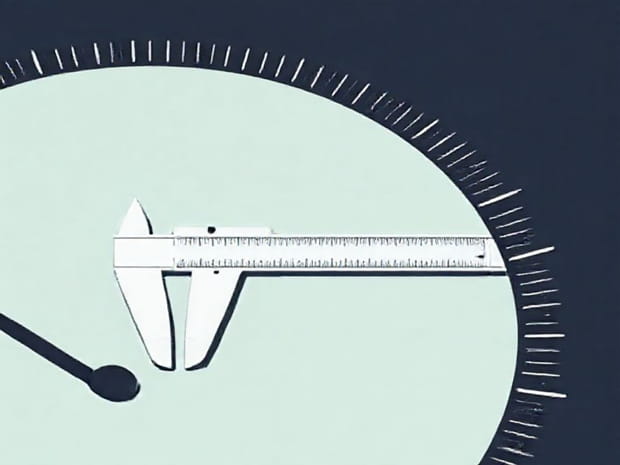
How To Vernier Caliper
Measuring small objects with high precision is essential in many fields, including mechanical engineering, metalworking, woodworking, and scientific research. A vernier caliper is one of the most versatile and widely used tools for this purpose, offering the ability to measure internal and external dimensions as well as depths with remarkable accuracy. Learning how to use a vernier caliper correctly is crucial for obtaining reliable measurements, improving work quality, and reducing errors in projects that require precision. Understanding its parts, reading scales, and following proper techniques ensures consistent and accurate results in any measuring task.
Understanding the Vernier Caliper
A vernier caliper consists of several key components that work together to provide precise measurements. Familiarity with these parts is the first step to mastering its use.
Main Scale
The main scale of a vernier caliper is similar to a ruler and usually marked in millimeters or inches. It provides the base measurement for determining the size of an object.
Vernier Scale
The vernier scale is a smaller, sliding scale attached to the main scale. It allows readings with higher accuracy, typically to 0.02 mm or 0.001 inches, by showing fractions of the smallest division on the main scale.
Jaws
The caliper has two sets of jaws the larger outer jaws measure external dimensions, such as the diameter of a rod, while the smaller inner jaws measure internal dimensions, like the width of a slot or hole.
Depth Rod
Some vernier calipers include a depth rod that extends from the end of the caliper, allowing measurements of depths of holes or recesses.
Lock Screw and Thumb Screw
The lock screw fixes the movable jaw in place, preventing accidental shifts during measurement. The thumb screw allows smooth sliding of the jaws for precise positioning.
Preparing the Vernier Caliper for Measurement
Proper preparation ensures accurate readings and protects the instrument from damage. Handling and calibration steps are critical before taking any measurement.
Clean the Caliper and Object
Dust, dirt, or debris on the caliper or the object being measured can lead to inaccurate readings. Clean both surfaces with a soft cloth before use.
Check Zero Error
Before measuring, close the jaws completely and check if the vernier scale aligns with zero on the main scale. If not, note the zero error and account for it in the final measurement.
Handle with Care
Vernier calipers are precision instruments and should be handled gently. Avoid dropping or applying excessive force, as this can affect the calibration and accuracy.
Measuring External Dimensions
External measurement is the most common use of a vernier caliper. It involves measuring the length, width, or diameter of objects.
Step-by-Step Process
- Open the caliper jaws wider than the object.
- Place the object between the jaws, ensuring it is perpendicular to the measuring faces.
- Slide the movable jaw gently until it touches the object without applying excessive pressure.
- Lock the jaw using the lock screw if needed.
- Read the measurement from the main scale and vernier scale.
Tips for Accuracy
Apply uniform pressure while measuring and avoid tilting the caliper. Small misalignments can result in noticeable errors, especially when measuring small objects.
Measuring Internal Dimensions
Internal measurements are taken using the smaller set of jaws. These are useful for measuring the diameter of holes, slots, or grooves.
Procedure
- Open the inner jaws slightly wider than the opening to be measured.
- Insert the jaws into the hole or slot.
- Slide the jaws until they gently touch the interior sides of the object.
- Ensure the caliper remains perpendicular to the surface being measured.
- Read the measurement from the scales.
Measuring Depth
The depth rod is designed for measuring the depth of holes, grooves, or recesses in objects. Accurate depth measurements are important in engineering applications where tolerances are critical.
Procedure
- Extend the depth rod by opening the jaws slightly.
- Place the end of the caliper on the top surface of the hole or recess.
- Slide the movable jaw down until the rod reaches the bottom.
- Ensure the caliper remains vertical and stable.
- Read the depth from the main scale and vernier scale.
Reading the Vernier Scale
Accurate readings depend on understanding how to combine the main scale and vernier scale measurements.
Main Scale Reading
First, note the measurement on the main scale immediately to the left of the zero on the vernier scale. This gives the main measurement in millimeters or inches.
Vernier Scale Reading
Next, identify the line on the vernier scale that aligns perfectly with a line on the main scale. The value corresponding to this vernier line is added to the main scale reading.
Calculating Final Measurement
Final measurement = Main scale reading + Vernier scale reading. Remember to consider any zero error identified during calibration.
Maintaining a Vernier Caliper
Proper maintenance prolongs the life of a vernier caliper and ensures reliable performance over time.
Regular Cleaning
After each use, wipe the caliper clean to remove dust and oils. Avoid using harsh chemicals that can corrode the metal.
Proper Storage
Store the caliper in a protective case in a dry environment. Avoid exposing it to extreme temperatures or moisture, which can affect accuracy.
Periodic Calibration
Check the caliper periodically against standard gauge blocks or certified measuring instruments to maintain accuracy. Calibration ensures consistent performance, especially in professional applications.
Learning how to use a vernier caliper effectively is essential for anyone involved in precision work. By understanding its components, preparing it correctly, and following proper measuring techniques, users can achieve highly accurate measurements for external dimensions, internal dimensions, and depths. Regular maintenance, careful handling, and awareness of zero error further enhance accuracy. Mastery of the vernier caliper not only improves work quality but also builds confidence in precision tasks, making it an indispensable tool in engineering, manufacturing, and scientific measurement.