How To Use Escalator
Escalators are an essential part of modern architecture, providing a convenient and efficient way for people to move between different levels of buildings such as shopping malls, airports, train stations, and office complexes. Despite their common presence, not everyone fully understands how to use escalators safely and efficiently. Knowing the proper way to use an escalator is important not only for personal safety but also for maintaining a smooth flow of people. Using an escalator correctly involves understanding basic safety rules, proper positioning, handling luggage or strollers, and etiquette for sharing space with others.
Understanding Escalators
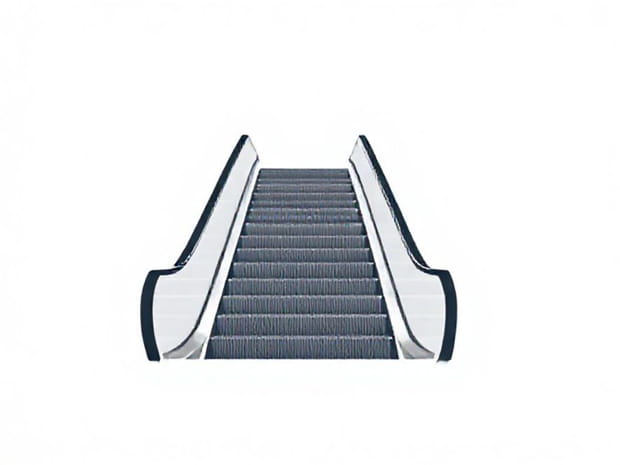
An escalator is a moving staircase designed to transport people between floors. It is powered by an electric motor and has steps that move continuously on a conveyor-like system. Escalators are built with safety mechanisms, including emergency stop buttons, handrails, and sensors to prevent accidents. Familiarizing yourself with these components and understanding how they work helps in using escalators safely and effectively. Recognizing the parts of an escalator such as the steps, handrails, and comb plates is crucial for avoiding mishaps.
Basic Rules for Using an Escalator
Following basic rules ensures that you and those around you remain safe while using an escalator. Safety is always the priority, and understanding simple precautions can prevent injuries.
- Always hold the handrail to maintain balance.
- Stand in the center of the step; avoid standing near the edges.
- Face forward and remain alert to your surroundings.
- Keep feet away from the sides of the escalator to prevent entrapment.
- Do not run, jump, or engage in horseplay while on the escalator.
Positioning Yourself Properly
Proper positioning is key to using an escalator efficiently. Standing correctly ensures both comfort and safety. Most escalators encourage passengers to stand on the right side, allowing those in a hurry to walk past on the left. This practice not only speeds up movement but also reduces congestion during peak hours. Standing correctly also reduces the risk of tripping or falling.
Standing vs. Walking
Escalators are designed for both standing and walking, depending on the speed of travel and the specific rules of the location. Many places expect passengers to stand on the right side and walk on the left. If you are standing, keep your feet shoulder-width apart and hold the handrail. If walking, maintain a steady pace and remain cautious, particularly when stepping off the escalator. Awareness of the surroundings is essential, especially in crowded areas.
Handling Luggage and Strollers
Using escalators with luggage, shopping bags, or strollers requires extra care. Items should be securely held or placed safely to avoid accidents. Large items can block the path for others and create hazards. Escalators can pose risks for strollers and carts, so many establishments provide elevators as a safer alternative. When using an escalator with bags, ensure they do not touch the edges or get caught in the moving parts.
Tips for Carrying Items
- Hold bags close to your body to maintain balance.
- Place heavy items on the upper steps rather than hanging them from the handrail.
- Do not overload yourself with multiple items that make it hard to hold the handrail.
- Consider using an elevator if you have a stroller or large luggage for added safety.
Escalator Etiquette
Respecting others while using an escalator improves the experience for everyone. Etiquette includes standing to one side, allowing space for those who wish to walk, and avoiding blocking the path. Being mindful of children, elderly passengers, or people with disabilities ensures a safer and more courteous environment. Communication and patience are important when dealing with crowded escalators.
Rules of Courtesy
- Stand on the right side and allow others to walk on the left.
- Do not stop abruptly in front of someone walking.
- Keep conversations low to avoid distractions.
- Supervise children closely and hold their hand if necessary.
- Give priority to passengers who need extra time or assistance.
Emergency Situations
Escalators are generally safe, but it is important to be prepared for emergencies. Most escalators have emergency stop buttons at the top and bottom. Knowing their location and function can prevent accidents from escalating. If someone trips or an item gets stuck, pressing the emergency button immediately stops the escalator and allows safe intervention. Understanding how to respond calmly in such situations is crucial for personal and public safety.
Safety Measures
- Locate the emergency stop button before using the escalator.
- Instruct children to remain still and hold hands during use.
- Keep shoelaces, loose clothing, and long garments away from moving parts.
- Report any malfunctioning escalator to the facility staff immediately.
- Avoid using escalators if you feel dizzy or unstable.
Benefits of Using Escalators Correctly
Proper escalator use promotes safety, efficiency, and convenience. It helps maintain smooth traffic flow in busy buildings and reduces the risk of accidents. Using escalators correctly also sets a positive example for others, especially children, who are learning how to navigate public spaces safely. Additionally, following the rules prevents delays caused by accidents or congestion, making the environment more pleasant for everyone.
Advantages of Correct Usage
- Minimizes the risk of falls or injuries.
- Enhances the speed of movement in crowded areas.
- Promotes courteous behavior and better social interaction.
- Maintains a clean and organized flow of traffic.
- Encourages awareness of personal safety and public responsibility.
Using an escalator may seem straightforward, but proper technique, safety awareness, and etiquette are crucial for a smooth and secure experience. From holding the handrail to positioning yourself correctly and managing luggage, every step contributes to safer usage. Understanding how to use escalators correctly not only protects you but also enhances the overall experience for everyone. By following basic safety rules, practicing proper etiquette, and being aware of potential hazards, you can navigate escalators with confidence and efficiency, ensuring a stress-free journey between floors.