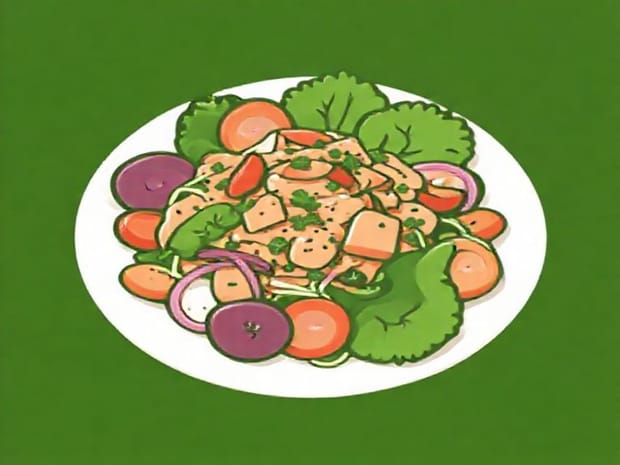
How To Tuna Salad
Tuna salad is a versatile and nutritious dish that can be enjoyed as a light lunch, a hearty snack, or even as a main course. Combining canned or fresh tuna with fresh vegetables, herbs, and a creamy dressing creates a balanced meal rich in protein, healthy fats, and essential vitamins. The beauty of tuna salad lies in its simplicity and adaptability, allowing you to customize flavors and textures according to your preference. By understanding the steps and techniques for making tuna salad, you can create a dish that is flavorful, satisfying, and perfect for meal prep or on-the-go eating.
Choosing the Right Tuna
Selecting the right type of tuna is crucial to the success of your tuna salad. Most recipes use canned tuna, available in water or oil, but fresh tuna can also be used for a more premium version. Canned tuna in water is lower in fat and calories, making it ideal for lighter salads, while tuna in oil adds richness and depth of flavor. Always choose high-quality tuna from reputable brands to ensure freshness and optimal taste.
Preparation of Tuna
Drain canned tuna thoroughly to remove excess liquid, which can dilute the flavor of the salad. If using fresh tuna, cook it gently by searing, grilling, or poaching, then flake it into bite-sized pieces. Properly prepared tuna forms the foundation of a delicious and satisfying salad, balancing texture and flavor with the other ingredients.
Selecting Ingredients
The ingredients you choose play a significant role in the taste, texture, and nutritional value of the tuna salad. Combining fresh vegetables, herbs, and additional proteins creates a well-rounded and flavorful dish.
Vegetables and Add-Ins
Common vegetables and add-ins include
- Celery for crunch and freshness.
- Red onion for a slight bite and aromatic flavor.
- Bell peppers for color and sweetness.
- Pickles or capers for tanginess.
- Chopped hard-boiled eggs for added protein.
- Leafy greens such as lettuce or spinach for a light base.
Dice vegetables into uniform pieces to ensure even distribution of flavors and textures throughout the salad.
Herbs and Seasonings
Fresh herbs enhance the flavor and aroma of tuna salad. Parsley, dill, chives, or cilantro can be added according to taste. Seasoning is essential for balancing flavors; salt, pepper, garlic powder, paprika, or lemon zest can elevate the overall profile. Taste frequently during preparation to achieve the desired balance of flavors.
Choosing a Dressing
The dressing binds the ingredients together and adds creaminess and flavor to the tuna salad. Mayonnaise is a classic choice, providing a smooth texture and rich taste. For a lighter version, Greek yogurt or avocado can replace or complement mayonnaise, adding creaminess while reducing calories. Mustard, lemon juice, and olive oil are also popular additions to enhance flavor and create a tangy, zesty finish.
Mixing the Salad
Combine the prepared tuna, chopped vegetables, herbs, and seasoning in a large mixing bowl. Add the dressing gradually, starting with a small amount, and mix gently to avoid mashing the tuna. Taste as you go to adjust the seasoning and ensure the flavors are balanced. A well-mixed salad has uniform flavor and texture, with each bite containing a perfect combination of ingredients.
Serving Suggestions
Tuna salad is incredibly versatile and can be served in many ways depending on your preference and occasion.
On Bread or Wraps
Spread tuna salad onto whole grain bread, croissants, or tortillas for a satisfying sandwich or wrap. Add leafy greens, tomato slices, or avocado for additional texture and nutrition. This is a convenient option for lunchboxes or picnics.
On a Bed of Greens
Serve tuna salad over mixed greens, spinach, or arugula for a light and refreshing meal. Top with sliced cucumbers, cherry tomatoes, and a drizzle of olive oil or lemon juice for added flavor. This option is ideal for a low-carb, nutrient-rich lunch or dinner.
In Stuffed Vegetables
Use tuna salad as a filling for tomatoes, bell peppers, or avocados for an elegant presentation. This method adds visual appeal and makes for a creative appetizer or side dish. Season the vegetables lightly before filling to enhance flavor without overwhelming the tuna salad.
Storing Tuna Salad
Proper storage is important to maintain the freshness, taste, and safety of tuna salad. Store the salad in an airtight container in the refrigerator. Consume within 2-3 days for best quality, especially if the salad contains mayonnaise or eggs. For longer storage, keep the components separate and mix them just before serving to preserve texture and flavor.
Meal Prep Tips
- Prepare the tuna and vegetables ahead of time for faster assembly.
- Store dressing separately to prevent the salad from becoming soggy.
- Portion the salad into individual containers for convenient grab-and-go meals.
- Use fresh herbs and add them just before serving to maintain aroma and flavor.
Variations of Tuna Salad
There are many variations of tuna salad that cater to different tastes, dietary preferences, and occasions.
Mediterranean Tuna Salad
Add olives, cherry tomatoes, red onion, cucumber, and a splash of olive oil and lemon juice for a Mediterranean twist. Feta cheese and fresh oregano can also enhance the flavor profile.
Spicy Tuna Salad
Incorporate jalapeños, sriracha, or hot sauce into the dressing for a spicy kick. Pair with crunchy vegetables to balance heat and texture.
Avocado Tuna Salad
Replace mayonnaise with mashed avocado for a creamy, nutritious alternative. Add lime juice and cilantro for a fresh, vibrant flavor.
Classic Tuna Salad
Keep it simple with tuna, celery, red onion, mayonnaise, and a touch of mustard. This timeless version is perfect for sandwiches and wraps.
Making tuna salad is a straightforward process that offers endless opportunities for customization. By choosing the right tuna, combining fresh vegetables, herbs, and seasonings, and selecting a suitable dressing, you can create a flavorful, nutritious, and versatile dish. Tuna salad can be served in sandwiches, wraps, on greens, or in stuffed vegetables, making it a convenient option for meals at home or on the go. Proper storage and thoughtful preparation ensure freshness and enhance taste. Exploring different variations, from Mediterranean to spicy or avocado-based versions, allows you to enjoy tuna salad in diverse and delicious ways, making it a staple recipe in your culinary repertoire.