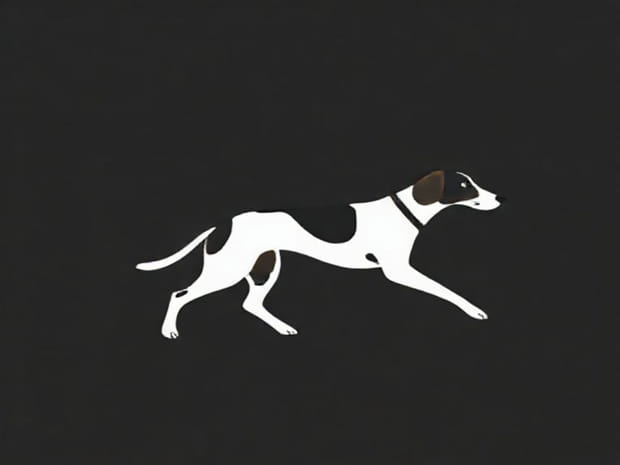
How To Train Treeing Walker Coonhound
The Treeing Walker Coonhound is a breed known for its intelligence, speed, and incredible hunting instincts. Originally bred for tracking and treeing raccoons, this energetic hound has a natural drive to follow scents and a strong desire to please its owner. Training a Treeing Walker Coonhound requires patience, consistency, and an understanding of its unique temperament. Because of their high energy levels and strong prey drive, many new owners wonder how to train a Treeing Walker Coonhound effectively while maintaining a positive bond with their dog. With the right approach, this loyal and hardworking breed can be both a skilled hunter and a loving family companion.
Understanding the Breed Before Training
Before starting the training process, it’s important to understand the Treeing Walker Coonhound’s natural instincts. These dogs are hounds through and through, meaning they are scent-driven and often become easily distracted by interesting smells. They are also independent thinkers, which can make obedience training challenging at times. However, their intelligence and eagerness to please make them very trainable with the proper techniques.
Key Traits That Influence Training
-
Strong prey driveThis breed was developed for hunting, so chasing and tracking scents come naturally.
-
High energyDaily exercise is a must, or they may develop destructive behaviors.
-
IntelligenceThey pick up commands quickly but may test boundaries if not given structure.
-
Sociable natureThey usually get along well with people and other dogs but may need guidance to avoid distractions during training.
Basic Obedience Training
When learning how to train a Treeing Walker Coonhound, obedience is the foundation. Commands such as sit, stay, come, and heel are essential for both safety and control. Start training early, ideally when the dog is still a puppy, but older dogs can also learn with consistent practice.
Teaching Basic Commands
-
SitHold a treat above the dog’s head and slowly move it back until the dog sits naturally, then reward immediately.
-
StayAsk the dog to sit, step back a short distance, and reward if they remain in place. Increase distance gradually.
-
ComeUse a long leash at first, call the dog enthusiastically, and reward when they return to you.
-
HeelPractice walking with the dog at your side, rewarding them when they stay in the correct position without pulling.
Leash Training
Because of their hunting instincts, Treeing Walker Coonhounds may pull strongly on the leash when they catch an interesting scent. Leash training is therefore essential for safe walks and controlled outings.
How to Stop Pulling
-
Use a no-pull harness to reduce strain and improve control.
-
Stop walking when the dog pulls; resume only when the leash slackens.
-
Reward walking calmly at your side with treats and praise.
With consistent practice, the hound will learn that pulling does not get them where they want to go, while calm behavior does.
House Training and Crate Training
House training a Treeing Walker Coonhound is similar to other breeds, but consistency is key. Puppies have small bladders and need frequent potty breaks, while adults may require retraining when adopted from shelters.
Steps for House Training
-
Take the dog outside after meals, naps, and play sessions.
-
Reward immediately after successful bathroom breaks outdoors.
-
Maintain a strict feeding and potty schedule to build routine.
Crate training is also helpful, as dogs naturally avoid soiling their sleeping space. A properly sized crate provides security and helps reinforce bladder control.
Socialization Training
Treeing Walker Coonhounds are generally friendly, but proper socialization ensures they grow into well-adjusted adults. Introduce them to various people, environments, and other animals early in life. Controlled exposure helps reduce fear or aggression later on.
Tips for Socialization
-
Take your dog on walks in different neighborhoods to experience new scents and sights.
-
Arrange playdates with other dogs to encourage positive interactions.
-
Expose them gradually to sounds like traffic, household appliances, and crowds.
Channeling Hunting Instincts
Because Treeing Walker Coonhounds were bred as hunting dogs, their instincts are strong and need positive outlets. Training that incorporates scent games, tracking exercises, or organized hunting can provide mental stimulation and satisfaction.
Engaging Activities
-
Hide treats around the yard and let your dog use its nose to find them.
-
Introduce them to scent training classes for structured activities.
-
If you hunt, gradually train your hound to follow trails and tree game responsibly.
Positive Reinforcement Techniques
This breed responds best to positive reinforcement, including praise, food rewards, and play. Harsh punishment often backfires, leading to fear or stubbornness. Instead, focus on rewarding good behavior and redirecting unwanted actions.
Effective Rewards
-
Small, tasty treats for learning new commands.
-
Verbal praise and petting for encouragement.
-
Favorite toys or playtime after successful training sessions.
Managing Stubborn Behavior
Treeing Walker Coonhounds are independent thinkers, which means they may resist commands if they don’t see the point. To manage this, keep training sessions short, engaging, and consistent. Repetition is key, but avoid long sessions that can lead to boredom.
Strategies to Reduce Stubbornness
-
Break tasks into small steps and reward progress frequently.
-
Keep sessions to 10-15 minutes for maximum focus.
-
Mix obedience drills with fun activities like fetch or scent games.
Exercise and Mental Stimulation
A well-exercised Treeing Walker Coonhound is easier to train. Without sufficient outlets for energy, these dogs can become restless or destructive. Training should always be combined with physical activity to ensure balance.
Exercise Needs
-
At least one to two hours of exercise daily, including walks and playtime.
-
Large, secure yards are ideal for running and exploring.
-
Agility training, hiking, or hunting trips provide both mental and physical stimulation.
Advanced Training and Hunting Work
For owners who plan to use their Treeing Walker Coonhound in hunting, advanced training is necessary. This includes teaching them to track scents, follow commands off-leash, and tree game effectively. Patience and step-by-step progression are vital in developing a skilled hunting companion.
Key Advanced Skills
-
Tracking specific scents with focus and persistence.
-
Learning recall even with heavy distractions.
-
Treeing behavior, where the hound signals game has been cornered.
Training a Treeing Walker Coonhound is a rewarding process that blends structure, patience, and plenty of activity. These dogs are intelligent and loyal but require consistent guidance to channel their energy and instincts. By focusing on basic obedience, leash manners, socialization, and hunting exercises, owners can shape a well-rounded and disciplined companion. With proper care and commitment, a Treeing Walker Coonhound can thrive as both a family pet and a skilled working dog, offering years of loyalty and excitement.