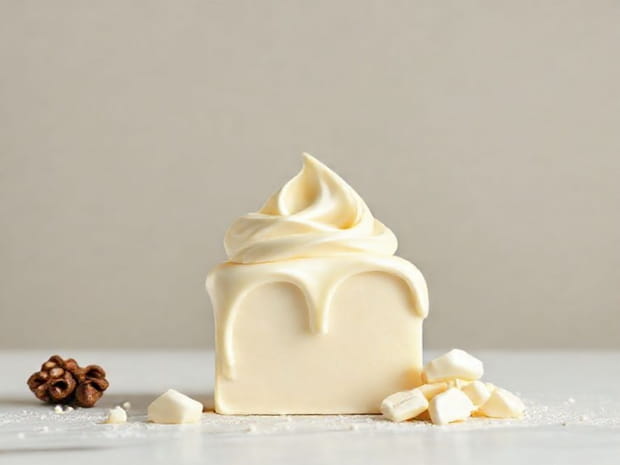
How To Temper White Chocolate
Tempering white chocolate is an essential skill for anyone looking to create professional-quality confections, desserts, or chocolate decorations. Unlike dark or milk chocolate, white chocolate requires precise temperature control due to its higher cocoa butter and milk solids content, which can make it prone to seizing or blooming if handled incorrectly. Properly tempered white chocolate has a smooth texture, glossy finish, and satisfying snap when broken, making it ideal for coating truffles, molding shapes, or drizzling over desserts. Understanding the science behind tempering and following step-by-step techniques ensures reliable results every time.
Understanding White Chocolate
White chocolate is made from cocoa butter, sugar, and milk solids, without the cocoa solids found in dark or milk chocolate. This composition gives it a pale ivory color and creamy flavor, but it also makes it more sensitive to heat. Tempering white chocolate aligns the cocoa butter crystals, preventing fat bloom and creating a stable structure. Proper tempering ensures the chocolate sets smoothly, resists melting at room temperature, and maintains an attractive glossy appearance.
Tools and Ingredients Needed
Before starting, gather the following tools and ingredients
- High-quality white chocolate, either in bars or couverture form
- Heatproof bowl for melting
- Spatula for stirring
- Digital thermometer to monitor temperature precisely
- Microwave or double boiler setup
- Optional marble slab for traditional tabling method
Choosing high-quality white chocolate with at least 30% cocoa butter content improves tempering results and flavor. Avoid white chocolate chips labeled for baking, as they often contain stabilizers that make tempering difficult.
Methods of Tempering White Chocolate
There are several techniques for tempering white chocolate, including the seeding method, tabling method, and microwave method. Each has its advantages and can be chosen based on available equipment and personal preference.
Seeding Method
The seeding method is popular for home cooks due to its simplicity and minimal equipment requirement
- Chop two-thirds of the white chocolate into small, uniform pieces.
- Melt the chocolate gently using a double boiler or microwave in short intervals, keeping the temperature between 105-110°F (40-43°C).
- Remove from heat and gradually add the remaining chopped chocolate (the seed) while stirring continuously. This helps bring the chocolate down to a working temperature of 84-86°F (29-30°C).
- Keep the chocolate at this temperature for use, reheating slightly if it falls below 82°F (28°C).
This method is effective and reduces the risk of overheating, which is critical for white chocolate.
Tabling Method
The tabling method involves spreading melted chocolate on a cool marble or granite surface to crystallize the cocoa butter
- Melt all the white chocolate to 105-110°F (40-43°C).
- Pour two-thirds onto a clean, cool marble slab.
- Use a spatula to spread and manipulate the chocolate until it cools to about 84-86°F (29-30°C).
- Scrape the chocolate back into the remaining one-third in the bowl, combining thoroughly.
- Maintain the working temperature for coating or molding.
This method gives excellent control over crystal formation and is often used by professional chocolatiers for large batches.
Microwave Method
For small amounts of white chocolate, the microwave method is convenient
- Chop the chocolate finely and place in a microwave-safe bowl.
- Heat in 15-20 second bursts at 50% power, stirring between intervals to distribute heat evenly.
- Once fully melted, follow the seeding technique to lower the temperature to the working range.
The key to this method is careful monitoring of temperature, as white chocolate can easily burn or seize in the microwave.
Checking if White Chocolate is Properly Tempered
Properly tempered white chocolate should have the following characteristics
- Glossy, smooth appearance without streaks or graininess
- Sets quickly at room temperature and is firm to the touch
- Breaks with a clean snap rather than bending or crumbling
- Resistant to smudging and does not melt immediately when touched
Testing a small amount on parchment paper or a plate helps confirm tempering before applying it to your final project.
Common Mistakes and How to Avoid Them
Tempering white chocolate can be tricky, and there are common pitfalls
- Overheating Temperatures above 115°F (46°C) can burn the chocolate. Always melt gently and monitor with a thermometer.
- Water contamination Even a drop of water can seize chocolate, making it grainy. Ensure all tools and bowls are completely dry.
- Stirring too aggressively Over-stirring can introduce air bubbles. Stir gently and consistently.
- Not maintaining temperature If chocolate cools below 82°F (28°C), it must be gently reheated without exceeding the maximum temperature.
Using Tempered White Chocolate
Once tempered, white chocolate can be used in a variety of applications
- Coating truffles, candies, and cake pops
- Drizzling over baked goods for decoration
- Pouring into molds to create chocolate shapes or figures
- Layering in desserts like tarts, mousses, or ganache-based recipes
Tempered chocolate provides a professional finish and a stable structure for creative presentations.
Storing Tempered White Chocolate
If you are not using all tempered chocolate immediately, proper storage is essential to maintain quality
- Keep in an airtight container to prevent moisture and odors from affecting the chocolate.
- Store at cool room temperature or slightly below, avoiding refrigeration to prevent condensation.
- Use within a few days for optimal texture and appearance.
Tempering white chocolate may seem intimidating, but with the right techniques and careful temperature control, it becomes a manageable and rewarding process. Understanding the properties of white chocolate, using proper tools, and choosing a suitable method whether seeding, tabling, or microwave ensures smooth, glossy results with excellent snap and stability. By practicing these techniques, home cooks and professional chefs alike can elevate desserts, confections, and chocolate decorations to a polished, professional level. Attention to detail, patience, and precision are the keys to mastering the art of white chocolate tempering, transforming ordinary chocolate into a versatile, visually stunning, and delicious element for countless culinary creations.
Mastery of white chocolate tempering opens the door to a variety of dessert possibilities, from elegant truffles and chocolate bark to intricate molded shapes and coatings. By following the outlined steps, monitoring temperatures carefully, and avoiding common mistakes, anyone can achieve reliable, high-quality results. Properly tempered white chocolate not only enhances flavor and texture but also provides a professional aesthetic, making your creations both delectable and visually appealing.