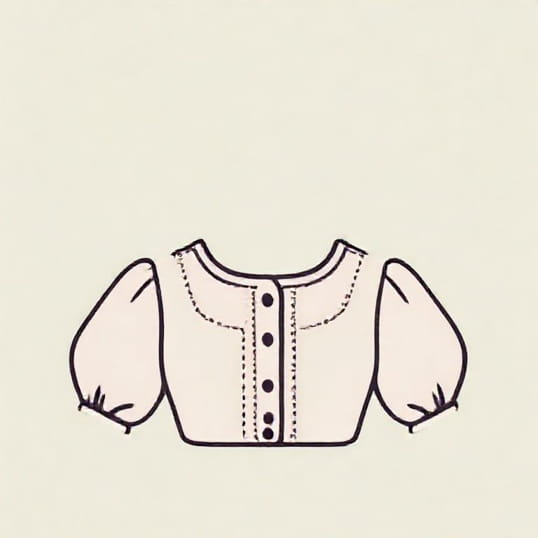
How To Stitching Blouse
Creating a beautiful blouse from scratch can be an incredibly rewarding experience, combining creativity, patience, and skill. Whether you are new to sewing or looking to refine your techniques, learning how to stitch a blouse allows you to customize your clothing, achieve the perfect fit, and express your personal style. From selecting the right fabric to mastering precise stitching techniques, every step of the blouse-making process contributes to the final garment. Taking the time to understand patterns, measurements, and finishing details ensures that your blouse not only looks professional but also feels comfortable to wear. For anyone interested in fashion design or DIY clothing, mastering the art of blouse stitching is both practical and inspiring.
Choosing the Right Fabric and Materials
The first step in stitching a blouse is selecting appropriate fabric. Fabrics vary in texture, drape, and stretch, so it is important to choose one that suits the style of blouse you want to make. Common choices include cotton, silk, chiffon, linen, and blends. Lightweight fabrics like chiffon create flowy, elegant blouses, while cotton and linen offer more structure and are easier for beginners to handle. In addition to fabric, gather essential materials such as matching thread, a sewing machine, sewing needles, pins, scissors, measuring tape, and a pattern template. Choosing quality materials ensures a smoother sewing experience and a polished final product.
Understanding Blouse Patterns
Blouse patterns provide a blueprint for cutting and stitching your fabric correctly. Patterns indicate the shapes and sizes of the blouse pieces, including the front, back, sleeves, collar, and cuffs. Beginners should start with simple patterns that include clear instructions. Take time to read the pattern carefully and understand the symbols, such as seam allowances, fold lines, and darts. Accurate pattern reading helps avoid mistakes and ensures that all pieces fit together properly. Some patterns also offer customization options, allowing you to adjust the length, sleeve style, or neckline according to your preference.
Measuring and Cutting Fabric
Accurate measurements are crucial for a well-fitting blouse. Measure your bust, waist, shoulders, arm length, and overall blouse length, then compare these measurements with the pattern. Adjust the pattern if necessary to match your dimensions. Once measurements are confirmed, lay your fabric flat, pin the pattern pieces securely, and cut along the indicated lines. Precision in cutting ensures that each piece aligns perfectly during stitching. Beginners should take extra care to cut smoothly and avoid jagged edges, as clean cuts significantly impact the blouse’s appearance and structure.
Marking and Preparing Fabric Pieces
After cutting, mark key points on your fabric using tailor’s chalk or fabric markers. Mark darts, pleats, button placements, and seam lines. These markings guide your stitching and prevent errors. Fold or iron the fabric as instructed by the pattern to achieve crisp edges and proper alignment. Proper preparation reduces complications during sewing and ensures that each element of the blouse, such as pleats or collars, maintains the intended shape and style.
Sewing the Main Blouse Pieces
Begin stitching by assembling the main pieces of the blouse. Typically, start with the darts or shaping seams on the front and back pieces. Use a straight stitch on a sewing machine or hand stitch carefully if preferred. After completing the shaping seams, join the front and back pieces at the shoulders, then attach the side seams. Press the seams flat with an iron to achieve a clean and professional finish. Taking your time during this step ensures that the blouse holds its structure and fits comfortably.
Attaching Sleeves and Collars
Sleeves and collars add style and sophistication to a blouse, but they require precision. To attach sleeves, align the sleeve cap with the armhole, pin carefully, and sew gradually to prevent puckering. For a collar, follow the pattern instructions to create either a stand-up, Peter Pan, or classic collar, then attach it neatly along the neckline. Finishing edges and corners with careful stitching creates a professional look and ensures durability. Pressing each attachment after sewing enhances the blouse’s overall appearance.
Finishing Touches
Finishing touches make a blouse look polished and ready to wear. Hem the bottom of the blouse and the sleeves using a folded hem or bias tape. Add buttons, hooks, or zippers according to the pattern design. Consider topstitching along seams for added strength and decorative effect. Inspect the blouse for any loose threads, uneven edges, or puckering, and correct them before considering the project complete. These finishing steps demonstrate attention to detail and elevate the overall quality of the garment.
Pressing and Final Adjustments
Pressing the blouse is an essential step that enhances its fit and appearance. Use a suitable heat setting for your fabric type to avoid damage. Iron seams flat, collars crisp, and hems neat. Make final adjustments, such as minor alterations to the fit or repositioning buttons, if necessary. A well-pressed blouse not only looks professional but also ensures that the garment maintains its shape over time.
Tips for Beginners
- Start with a simple pattern to build confidence before attempting complex designs.
- Practice stitching on scrap fabric to perfect techniques like darts, pleats, and hems.
- Use pins generously to keep fabric pieces aligned during sewing.
- Keep your sewing machine well-maintained for smooth stitching.
- Take your time and do not rush; accuracy is more important than speed.
- Experiment with different fabrics to understand how they behave during stitching.
- Follow tutorials or attend workshops to learn tips from experienced seamstresses.
Stitching a blouse is a creative and rewarding endeavor that combines artistry, technique, and careful planning. By selecting the right fabric, understanding patterns, taking precise measurements, and executing careful stitching, you can create a garment that fits perfectly and reflects your personal style. Attaching sleeves, collars, and finishing touches requires patience and attention to detail, but the result is a professional-looking blouse that you can be proud of. For beginners, starting with simple patterns and gradually exploring more complex designs helps build skills and confidence. With practice, patience, and creativity, stitching blouses can become both a fulfilling hobby and a practical skill, opening the door to endless possibilities in fashion and clothing design.