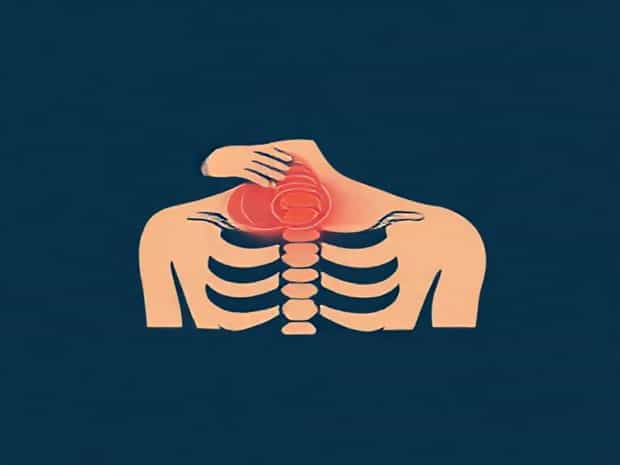
How To Shoulder Pain
Shoulder pain is a common problem that affects people of all ages and can result from a variety of causes, including injury, overuse, poor posture, or underlying medical conditions. Learning how to manage shoulder pain effectively is essential to maintain mobility, reduce discomfort, and prevent further complications. Whether the pain is sudden or chronic, understanding the proper methods for relief, exercises, and care can significantly improve quality of life. Addressing shoulder pain promptly and correctly ensures that daily activities, sports, and work routines can continue with minimal disruption.
Common Causes of Shoulder Pain
Before exploring ways to relieve shoulder pain, it is important to understand the most common causes. Shoulder discomfort can originate from muscles, tendons, ligaments, joints, or nerves. Some typical causes include
- Rotator cuff injuriesTears or inflammation in the rotator cuff tendons can cause pain, weakness, and limited range of motion.
- Frozen shoulderAlso known as adhesive capsulitis, this condition results in stiffness and restricted movement.
- ArthritisOsteoarthritis or rheumatoid arthritis can lead to chronic shoulder pain and swelling.
- TendonitisOveruse or repetitive motion can inflame the tendons, causing pain and discomfort.
- Dislocation or fractureTrauma or accidents can result in shoulder dislocation or bone fractures, which require immediate attention.
- Poor postureSlouching or prolonged sitting with improper alignment can strain shoulder muscles and lead to discomfort over time.
Initial Steps to Relieve Shoulder Pain
When shoulder pain occurs, it is important to take initial steps to manage discomfort and prevent further injury. Some effective first measures include
- RestAvoid activities that exacerbate the pain, giving the shoulder time to heal.
- Ice therapyApplying an ice pack to the shoulder for 15-20 minutes several times a day can reduce inflammation and swelling.
- Heat therapyWarm compresses or heating pads can relax tense muscles and improve blood circulation once acute inflammation subsides.
- Pain relieversOver-the-counter medications, such as ibuprofen or acetaminophen, can help manage pain and reduce inflammation.
- SupportUsing a shoulder brace or sling temporarily may provide stability and reduce strain on the injured area.
When to See a Doctor
While minor shoulder pain can often be treated at home, certain symptoms require professional evaluation. Seek medical attention if you experience
- Severe or persistent pain lasting more than a few days.
- Swelling, redness, or warmth around the joint.
- Limited range of motion that does not improve with basic care.
- Numbness, tingling, or weakness in the arm or hand.
- Injury from a fall, accident, or sports activity that causes deformity.
Exercises to Reduce Shoulder Pain
Gentle exercises and stretches can help relieve shoulder pain, strengthen muscles, and improve flexibility. Always consult a healthcare professional before beginning new exercises, especially after injury.
Range of Motion Exercises
- Pendulum swingsLean forward slightly, letting your arm hang down, and gently swing it in small circles to loosen the joint.
- Shoulder rollsRoll your shoulders forward and backward in a controlled motion to release tension.
- Arm raisesSlowly lift your arms to the front and sides, keeping movements within a pain-free range.
Strengthening Exercises
- Wall push-upsStand facing a wall and perform push-ups to strengthen shoulder muscles without overloading the joint.
- Resistance band exercisesUse light resistance bands to perform external rotations and rows, targeting key shoulder muscles.
- Scapular squeezesPinch shoulder blades together and hold for a few seconds to improve posture and shoulder stability.
Posture and Ergonomic Adjustments
Poor posture is a common contributor to shoulder pain, especially for individuals who work at desks or use computers for long periods. Making adjustments to posture and workspace ergonomics can prevent strain
- Keep your back straight and shoulders relaxed while sitting.
- Adjust chair height and monitor position to reduce reaching or hunching.
- Take frequent breaks to stretch and move the shoulders and upper back.
- Use supportive pillows while sleeping to maintain proper shoulder alignment.
Lifestyle and Daily Habits
In addition to exercises and posture improvements, lifestyle changes can help reduce shoulder pain and prevent recurrence
- Maintain a healthy weight to reduce stress on joints.
- Engage in regular physical activity to strengthen muscles and improve circulation.
- Avoid carrying heavy bags on one shoulder, which can create imbalance and strain.
- Incorporate stretching routines into daily activities to maintain flexibility.
- Manage stress through relaxation techniques, as tension can contribute to shoulder discomfort.
Professional Treatments for Shoulder Pain
For persistent or severe shoulder pain, professional treatment may be necessary. Options include
- Physical therapyGuided exercises and manual therapy to restore function, improve strength, and reduce pain.
- MedicationsPrescription anti-inflammatory drugs or muscle relaxants for more severe conditions.
- Corticosteroid injectionsUsed to reduce inflammation in cases of tendonitis or arthritis.
- Surgical interventionRequired for serious injuries such as rotator cuff tears, fractures, or dislocations that do not respond to conservative treatment.
Preventing Shoulder Pain
Prevention is key to avoiding shoulder discomfort in the future. Simple steps include
- Warm up before exercise or sports activities to prevent muscle strain.
- Strengthen shoulder and upper back muscles regularly.
- Use proper lifting techniques to avoid overloading the joint.
- Maintain ergonomic work and home environments.
- Address minor pain early to prevent worsening of the condition.
Managing shoulder pain involves a combination of rest, exercise, posture adjustments, and professional care when needed. Understanding the causes of pain and taking proactive steps can relieve discomfort, restore mobility, and prevent further injury. Gentle stretching, strengthening exercises, ergonomic improvements, and lifestyle changes play a critical role in maintaining shoulder health. For persistent or severe pain, consulting a healthcare professional ensures proper diagnosis and treatment. By following these strategies, individuals can effectively manage shoulder pain, improve quality of life, and maintain active daily routines without limitation.