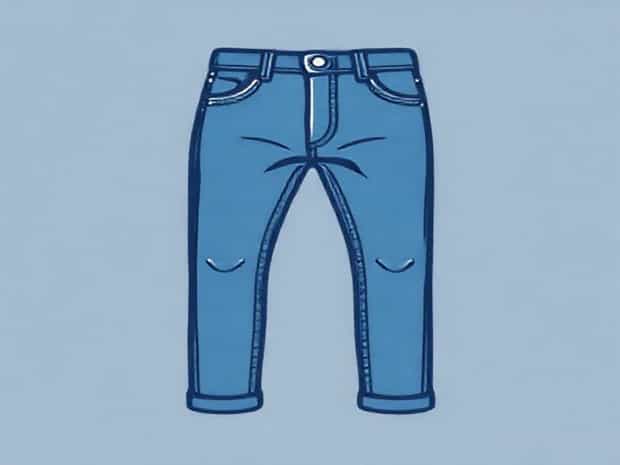
How To Shorten Blue Jeans
Shortening blue jeans is a practical skill that can save you money and help maintain a polished wardrobe. Ill-fitting jeans with hems that are too long can look sloppy, drag on the floor, or create tripping hazards. Learning how to shorten them allows you to achieve the perfect fit while keeping the original style intact. Whether you want to create a cuffed look, a raw hem, or a professionally finished edge, understanding the proper techniques and tools makes the process easier. With some careful measuring, cutting, and sewing, anyone can alter jeans at home and enjoy a custom fit that enhances both comfort and style.
Tools and Materials Needed
Before beginning, gather all necessary tools and materials to ensure a smooth process. Having the right equipment makes the job easier and produces a more professional result.
- Measuring Tape Essential for accurate measurements to determine the new hem length.
- Fabric Chalk or Marker For marking the cutting line on your jeans.
- Scissors Sharp fabric scissors ensure clean cuts.
- Pins or Clips To hold the folded hem in place before sewing.
- Sewing Machine Preferred for a durable finish, especially on denim.
- Thread Matching thread blends seamlessly with the jeans’ original color.
- Iron For pressing hems and ensuring crisp folds.
- Seam Ripper Optional, for removing the original hem if needed.
Measuring and Marking
Accurate measurement is key to shortening jeans without making them too short or uneven. Start by putting on the jeans with the shoes you plan to wear. Fold the jeans up to the desired length and use pins to secure the fold. Measure from the fold to the original hem to determine the amount to remove. Using fabric chalk or a marker, draw a cutting line across the leg, ensuring it is straight and even on both legs. Double-check the length to avoid mistakes that could make the jeans too short.
Deciding on the Hem Style
There are several options for finishing the hem once the jeans are shortened. Your choice will depend on style preference and skill level
- Original Hem Preserves the original sewn edge for a professional look, often requiring careful removal and reattachment.
- Cuffed Hem Folds the raw edge under and stitches it for a casual appearance.
- Raw Hem Leaves the cut edge unfinished for a trendy, frayed look, common in modern fashion.
- Double Fold Hem Folds the edge twice before stitching to hide raw edges, providing a clean, sturdy finish.
Removing the Original Hem
If you want to preserve the original hem, it must be carefully removed before shortening. Use a seam ripper to gently undo the stitches without damaging the denim. Remove threads completely and press the hem flat. This allows you to reattach the original hem to the newly shortened length, maintaining the authentic look of the jeans. Patience is important, as rushing can lead to fraying or tearing.
Cutting the Jeans
Once measurements are marked and the hem is removed or prepared, it’s time to cut the jeans. Use sharp fabric scissors and cut slightly above the marked line to leave a seam allowance, usually around half an inch. Cutting slowly and carefully ensures a straight line, which is crucial for even hems. If you’re creating a raw hem, you can cut directly on the marked line, but for folded hems, allow extra fabric for stitching.
Sewing the New Hem
Sewing the new hem secures the jeans at the desired length and gives a polished finish. Fold the raw edge under or reattach the original hem, and pin it in place. Use a straight stitch on your sewing machine to sew around the hem, matching the thread color as closely as possible. For extra durability, especially on heavy denim, a denim needle may be necessary. Press the hem with an iron to set the stitches and ensure the fold lies flat.
Finishing Touches
After sewing, check the hems to ensure both legs are even. Try on the jeans and adjust if necessary. For a casual look, lightly fraying the edges of a raw hem can create a fashionable worn effect. If you preserved the original hem, make sure the stitches are secure and the edges lie flat. Proper finishing not only enhances the appearance but also prevents fraying and prolongs the lifespan of the jeans.
Alternative Methods for Shortening Jeans
If sewing isn’t an option, there are alternative methods for shortening jeans temporarily or without stitching
- Iron-On Hem Tape Provides a quick, no-sew solution by securing the hem with adhesive tape.
- Fabric Glue Useful for temporary adjustments, although not as durable as sewing.
- Folding or Cuffing Simply folding the jeans up can achieve a stylish look without permanent alteration.
Tips for a Professional Look
To ensure your shortened jeans look professionally altered, keep these tips in mind
- Measure Twice, Cut Once Accuracy prevents mistakes and uneven hems.
- Use Matching Thread Blends stitching with the jeans and maintains a clean finish.
- Press After Sewing Ironing sets the hem and gives a crisp edge.
- Test Length with Shoes Ensures the jeans fall perfectly with your footwear.
- Take Your Time Rushing increases the risk of uneven cuts or sloppy stitching.
Shortening blue jeans at home is a valuable skill that can enhance your wardrobe and save money. By gathering the right tools, measuring accurately, selecting a hem style, cutting carefully, and sewing with precision, anyone can achieve a professional-looking finish. Whether you choose to preserve the original hem, create a raw edge, or fold and stitch, proper preparation and attention to detail make the process straightforward. With practice, shortening jeans becomes an easy and satisfying alteration, allowing your favorite denim pieces to fit perfectly and look stylish with every wear.