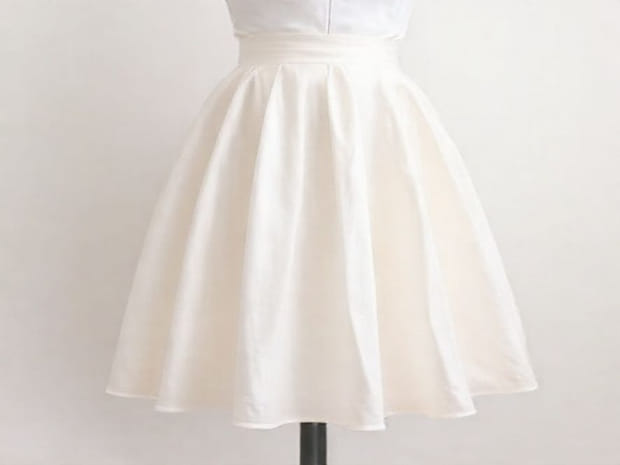
How To Sew A Crinoline Underskirt
Sewing a crinoline underskirt is a rewarding project for anyone looking to add volume and shape to dresses or skirts. A crinoline underskirt not only enhances the silhouette but also provides structure, making it ideal for formal gowns, vintage outfits, or costume designs. Understanding the materials, construction techniques, and sewing steps is essential to create a functional and comfortable crinoline underskirt that complements your outer garment while ensuring ease of movement.
Materials Needed for a Crinoline Underskirt
Before beginning, gather all necessary materials to ensure a smooth sewing process. Choosing the right fabrics and tools will impact the final look and functionality of the crinoline underskirt.
- FabricLightweight cotton, tulle, or nylon netting works well for the body of the underskirt.
- Hoops or BoningSteel, plastic, or nylon hoops provide structure and maintain the desired shape.
- Bias Tape or Fabric for CasingsUsed to encase the hoops or boning securely.
- Elastic or ZipperFor the waistband closure, depending on your preference.
- ThreadStrong polyester thread for durability.
- Sewing ToolsSewing machine, scissors, pins, measuring tape, and marking chalk.
Measuring and Cutting the Fabric
Accurate measurements are crucial for creating a crinoline underskirt that fits well and holds its shape. Begin by measuring your waist, hips, and the desired length from waist to hem.
Step-by-Step Cutting Instructions
- Measure the circumference of your waist where the waistband will sit.
- Decide on the length of the underskirt, typically falling at least mid-calf for full skirts.
- Cut the fabric in panels, usually 4-6, depending on the fullness desired.
- Ensure all panels are of equal length and width for an even shape.
Constructing the Hoop Structure
The hoop or boning structure is what gives the crinoline underskirt its characteristic volume. Proper placement and secure casing are essential for comfort and durability.
Creating Casings for Hoops
- Measure and cut strips of fabric or bias tape slightly wider than the diameter of the hoop.
- Sew the strips into loops or casings at regular intervals along the underskirt, ensuring even spacing for balanced support.
- Insert the hoops or boning into the casings, making sure each hoop lays flat and maintains the skirt’s shape.
Assembling the Panels
Once the hoop structure is ready, attach the fabric panels to create the full body of the crinoline underskirt. This step ensures the underskirt flares evenly and supports the outer skirt.
Sewing Panels Together
- Pin the edges of the panels together, right sides facing each other.
- Sew the panels using a straight stitch, leaving the top edge open for the waistband.
- Press seams flat with an iron to maintain a neat appearance.
Attaching the Waistband
The waistband secures the crinoline underskirt to your waist and provides comfort during wear. You can use elastic for a flexible fit or a zipper for a more fitted closure.
Elastic Waistband Method
- Measure and cut a piece of elastic to fit snugly around your waist.
- Create a casing at the top of the skirt by folding the fabric over and sewing, leaving an opening for the elastic.
- Insert the elastic, overlap the ends, and sew them together.
- Close the opening and adjust the gathers evenly around the waist.
Zipper Waistband Method
- Attach interfacing to the waistband area for extra support.
- Sew the zipper into one of the side seams, ensuring it aligns smoothly with the fabric.
- Finish the waistband by folding and stitching neatly, covering raw edges.
Finishing the Hem
The hem of the crinoline underskirt should be finished neatly to prevent fraying and to maintain the structure. Depending on the fabric, you can use a folded hem, serged edge, or bias binding.
- Fold the bottom edge twice and sew a straight stitch for a clean hem.
- Alternatively, use bias tape for a reinforced and polished look.
- Ensure the hoop ends are secured within the hem to prevent slipping.
Tips for Comfort and Wearability
While the crinoline underskirt is designed for volume, comfort is essential. Consider these tips for a wearable garment
- Test the flexibility of the hoops or boning to ensure they do not dig into the skin.
- Use soft fabrics for the inner layers that come into contact with the body.
- Check the balance and flare of the skirt by trying it on before final adjustments.
- Reinforce stress points, such as the waistband and hoop casings, for durability.
Customizing Your Crinoline Underskirt
Crinoline underskirts can be customized in several ways to suit different outfits and styles. You can adjust the number of hoops, layers of fabric, or length to achieve the desired fullness. Adding lace or tulle overlays can enhance the visual appeal, making the underskirt a beautiful complement to your dress.
- Add multiple layers of tulle for extra volume.
- Use colored netting for a unique effect under sheer skirts.
- Incorporate ribbons or trim at the hem for decorative detail.
Sewing a crinoline underskirt requires patience, precision, and careful planning, but the results are highly rewarding. By selecting appropriate materials, constructing a sturdy hoop structure, assembling panels accurately, and finishing hems and waistbands carefully, you can create an underskirt that adds elegance and volume to any dress. With practice and creativity, you can customize the crinoline underskirt to suit various outfits and occasions, making it a versatile addition to your sewing projects and wardrobe.