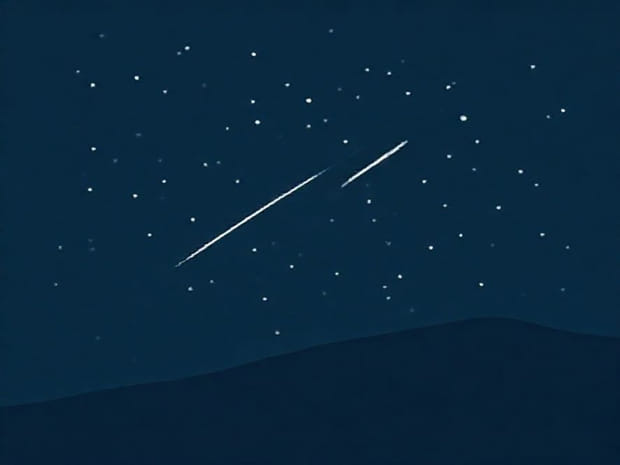
How To See Perseid Meteor Shower
Every year, stargazers look forward to the Perseid meteor shower, one of the most popular and spectacular celestial events visible from Earth. Known for its bright and frequent shooting stars, the Perseids are easy to observe without specialized equipment, making them accessible for both amateur and experienced skywatchers. With the right preparation and knowledge, anyone can enjoy this natural light show and make the most of the viewing experience. Understanding how to see the Perseid meteor shower involves timing, location, and some simple strategies that maximize visibility and enjoyment.
What is the Perseid Meteor Shower?
The Perseid meteor shower occurs when Earth passes through the debris field left behind by Comet Swift-Tuttle. As the tiny ptopics enter our atmosphere at high speeds, they burn up and create bright streaks of light in the night sky. This annual event typically takes place between mid-July and late August, with the peak occurring around August 11 to August 13 each year. At its best, observers can see dozens of meteors per hour under clear and dark skies.
Why the Perseids Are Special
The Perseid meteor shower is especially beloved because of its reliability, brightness, and timing. Unlike some other showers, the Perseids produce a high number of visible meteors that are often colorful and leave glowing trails. The warm weather in the Northern Hemisphere during August also makes it comfortable for viewers to spend extended time outside. This combination of spectacle and convenience makes the Perseids one of the most watched meteor showers in the world.
Best Time to See the Perseids
Timing is everything when it comes to viewing the Perseid meteor shower. While meteors can be visible for several weeks, the peak nights around August 11-13 usually provide the highest activity. During the peak, viewers may see up to 60-100 meteors per hour under ideal conditions. The best time of night is usually after midnight until dawn, when the sky is darkest and Earth’s rotation brings the viewing location into the densest part of the debris stream.
Choosing the Right Location
Location plays a crucial role in how well you see the Perseid meteor shower. To maximize your chances, it is important to find a place with
- Minimal light pollutionUrban areas with bright streetlights reduce visibility, so head to rural or remote areas for darker skies.
- Clear horizonWide, unobstructed views increase the chance of spotting meteors across the sky.
- High altitudeElevated locations often provide clearer skies and less atmospheric interference.
- Open fieldsParks, countryside spots, or camping grounds are ideal for uninterrupted views.
Equipment Needed for Viewing
One of the great things about the Perseid meteor shower is that no telescopes or binoculars are required. In fact, the naked eye is the best tool for observing meteors, since they streak quickly across the sky and cover wide areas. However, bringing certain items can make the experience more enjoyable
- Comfortable reclining chair or blanket for lying down
- Warm clothing or sleeping bag if nights are chilly
- Snacks and drinks for a long viewing session
- Red flashlight to preserve night vision
Tips for Maximizing Visibility
To get the best view of the Perseid meteor shower, consider these strategies
- Give your eyes time to adjustIt takes 20-30 minutes for human eyes to fully adapt to darkness, so avoid looking at phone screens or bright lights.
- Look toward the darkest part of the skyMeteors appear in all directions, not just near the Perseus constellation where they originate.
- Be patientMeteors come in bursts, so give yourself at least an hour for observing.
- Check the moon phaseA bright moon can reduce visibility, so the best years for viewing are when the moon is new or less visible.
Understanding the Radiant
The Perseid meteor shower is named after the constellation Perseus, because the meteors appear to radiate from this point in the sky. The radiant is located in the northeastern sky for observers in the Northern Hemisphere. However, it is not necessary to look directly at Perseus to see meteors. They can appear anywhere across the sky, often streaking long distances away from the radiant. Knowing where Perseus is located simply helps you orient yourself for the best chance of spotting activity.
Safety and Comfort During Viewing
While watching the Perseid meteor shower is safe, comfort can greatly improve the experience. If you plan to watch for several hours, prepare for temperature drops at night by bringing warm layers. In rural or forested areas, insect repellent is helpful. If you are driving to a remote area, ensure your vehicle is parked safely and avoid looking at headlights or screens that can disrupt your night vision. For groups or families, bringing extra blankets and seating makes the outing more enjoyable.
Photographing the Perseid Meteor Shower
Many people enjoy capturing the beauty of meteors on camera. To photograph the Perseids, use a camera with manual settings and a tripod for stability. Wide-angle lenses with long exposure times (15-30 seconds) are best for capturing streaks of light across the sky. Set the ISO to a high value while balancing noise reduction, and take continuous shots to increase the chances of capturing a meteor. While it requires patience and experimentation, successful photos can be breathtaking.
Why Meteors Vary in Brightness
Not all Perseid meteors look the same. Some are faint streaks barely visible, while others are bright fireballs that illuminate the sky. The difference comes from the size and speed of the ptopics burning up in Earth’s atmosphere. Larger ptopics create brighter meteors and may even leave glowing trails that persist for several seconds. This variation adds excitement to the shower, as observers never know when a brilliant meteor might appear.
Perseid Meteor Shower in History and Culture
The Perseids have been observed for centuries and often carry cultural significance. In many traditions, shooting stars are associated with wishes, good fortune, or spiritual messages. The consistent timing of the Perseids each year has also made them a dependable marker for stargazers throughout history. Today, the shower continues to inspire awe and curiosity, bringing people together to enjoy the wonders of the night sky.
Knowing how to see the Perseid meteor shower is about preparation, patience, and the right environment. By choosing a dark location, observing during peak nights, and giving your eyes time to adjust, you can enjoy one of the most spectacular natural events visible from Earth. The Perseids remind us of the beauty and mystery of the universe, requiring nothing more than our eyes and a little time under the stars. Whether you are an experienced astronomer or someone simply seeking a magical night outdoors, the Perseid meteor shower is an unforgettable experience that connects people with the cosmos in a truly special way.