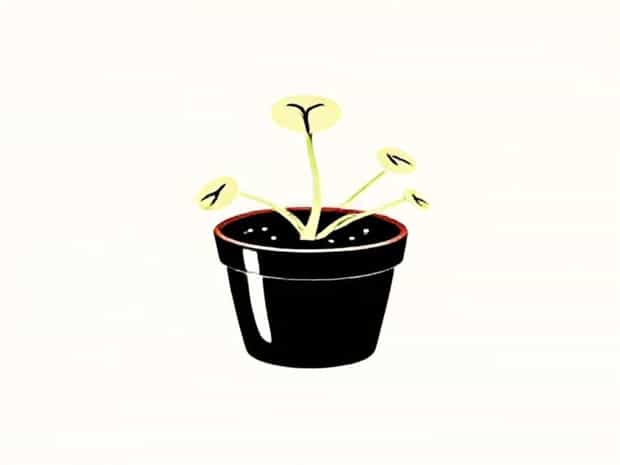
How To Repot A Venus Flytrap
Repotting a Venus flytrap is a crucial part of maintaining its health and ensuring it thrives in captivity. Unlike typical houseplants, Venus flytraps require specific soil conditions, proper drainage, and careful handling because their roots are sensitive and easily damaged. Over time, the soil in a pot can become compacted, lose nutrients, or accumulate salts, making repotting necessary to provide a fresh environment for growth. Additionally, repotting helps control the size of the plant and prevents overcrowding, which can stress the flytrap. By understanding the proper techniques, timing, and materials for repotting, you can give your Venus flytrap the best chance for robust growth and continued vitality.
When to Repot a Venus Flytrap
Knowing the right time to repot your Venus flytrap is essential. Generally, repotting should occur once a year, preferably in early spring before the growing season begins. This timing allows the plant to recover quickly and take advantage of the warmer months to establish its roots. Signs that your Venus flytrap needs repotting include
- Crowded pots where multiple plants compete for space.
- Soil that appears compacted, soggy, or moldy.
- Roots growing out of drainage holes.
- Slowed growth or poor trap formation.
Choosing the Right Soil
Venus flytraps have unique soil requirements compared to other houseplants. They thrive in nutrient-poor, acidic substrates, which replicate their natural bog habitats. Avoid standard potting soil, as it can harm the plant. Ideal soil mixes include
- Sphagnum Peat MossProvides acidity and retains moisture without becoming waterlogged.
- Perlite or SandImproves drainage and aeration. A common ratio is 11 peat moss to perlite or sand.
- Avoid FertilizersVenus flytraps obtain nutrients from capturing insects, so adding fertilizer to the soil can damage their delicate roots.
Selecting the Right Pot
The choice of pot is just as important as the soil. Venus flytraps do best in shallow pots that allow for drainage and prevent waterlogging. Key considerations include
- MaterialPlastic or glazed ceramic pots are ideal because they retain moisture while preventing root rot. Avoid metal pots, which can react with acidic soil.
- DrainageEnsure the pot has multiple drainage holes to prevent standing water.
- SizeChoose a pot slightly larger than the current root ball to give the plant room to grow without overwhelming it.
Step-by-Step Repotting Process
Repotting a Venus flytrap requires careful handling to avoid damaging the sensitive roots or traps. Follow these steps for the best results
1. Prepare Materials
Gather the following items before starting
- Fresh peat moss and perlite or sand.
- A suitable shallow pot with drainage holes.
- Clean scissors or tweezers for trimming dead roots or leaves.
- Distilled water for moistening the soil.
2. Remove the Plant
Gently remove the Venus flytrap from its current pot. Tip the pot to the side and lightly squeeze or tap it to loosen the soil. Carefully lift the plant, holding it by the base of the leaves rather than the delicate traps.
3. Inspect Roots
Examine the root system for any signs of rot or damage. Healthy roots are white and firm, while black or mushy roots should be trimmed away with sterilized scissors. This step prevents the spread of disease in the new potting medium.
4. Prepare the New Pot
Fill the new pot with the prepared soil mix, leaving enough space for the plant’s roots. Moisten the soil lightly with distilled water, ensuring it is damp but not waterlogged.
5. Place the Venus Flytrap
Position the plant in the center of the new pot. Spread the roots gently into the soil and cover them lightly, keeping the base of the leaves just above the soil surface. Avoid burying the plant too deeply, as this can cause crown rot.
6. Water Thoroughly
After repotting, water the plant with distilled water until it is evenly moist. Do not use tap water, as minerals and chemicals can harm Venus flytraps. The soil should remain damp but not soggy for the first few weeks while the plant acclimates.
7. Post-Repotting Care
After repotting, place the Venus flytrap in a location with bright, indirect sunlight. Avoid direct intense sunlight for a few days to reduce stress. Maintain high humidity and monitor the soil moisture carefully. Avoid feeding the plant until it has adjusted to the new pot, usually after a few weeks.
Common Mistakes to Avoid
Even experienced gardeners can make errors when repotting Venus flytraps. Avoid these common pitfalls
- Using nutrient-rich or fertilized soil, which can burn the roots.
- Planting too deeply, which can lead to crown rot.
- Handling the traps roughly, causing physical damage.
- Overwatering immediately after repotting, which can drown the roots.
- Exposing the plant to harsh sunlight before it has acclimated to the new soil.
Additional Tips for Healthy Growth
To ensure your Venus flytrap thrives after repotting, follow these additional tips
- SunlightProvide at least 4-6 hours of direct sunlight daily or use a grow light if natural sunlight is insufficient.
- WateringUse distilled or rainwater and keep the soil consistently damp, particularly during the growing season.
- FeedingFeed live insects sparingly. Do not use fertilizers, as Venus flytraps absorb nutrients primarily from their prey.
- DormancyVenus flytraps require a winter dormancy period. Reduce watering and place the plant in a cooler environment to mimic natural conditions.
- Pot Size ManagementAvoid excessively large pots, which can retain too much moisture and increase the risk of root rot.
Repotting a Venus flytrap is a delicate but rewarding process that ensures the plant remains healthy and vigorous. By choosing the correct soil, pot, and timing, and by handling the plant with care, you can support its growth and longevity. Following the step-by-step procedure, avoiding common mistakes, and maintaining proper post-repotting care will help your Venus flytrap thrive in its new environment. With attention to its unique needs, your Venus flytrap can continue to capture prey, produce beautiful traps, and remain a fascinating addition to your plant collection for years to come.