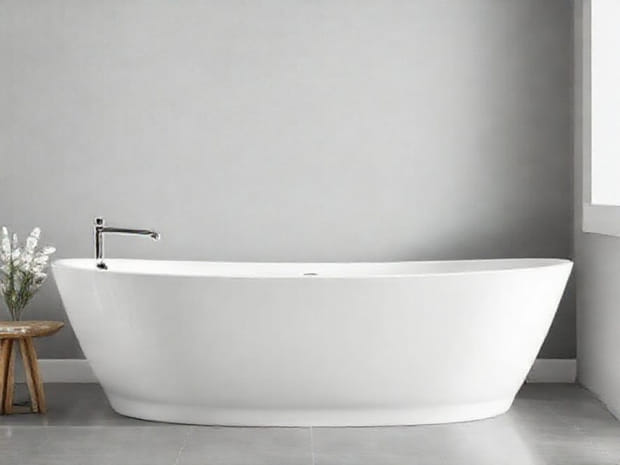
How To Remove A Jetted Tub
Removing a jetted tub can seem like a daunting task, especially if it has been installed for many years and integrated into the bathroom layout. These tubs are larger and more complex than standard bathtubs due to their plumbing, jets, and electrical connections. Whether you are renovating your bathroom, replacing a broken tub, or upgrading to a more modern fixture, understanding the steps, tools, and precautions involved is essential. Removing a jetted tub requires careful planning, proper equipment, and knowledge of plumbing and electrical systems to ensure the process is safe and efficient. Taking the time to do it correctly will prevent damage to your bathroom structure and make the installation of a new tub or fixture much smoother.
Prepare the Area and Gather Tools
Before attempting to remove a jetted tub, it is critical to prepare the bathroom area to prevent damage and ensure safety. Start by clearing the bathroom of all personal items, rugs, and furniture. Lay down protective coverings on the floor to catch debris and prevent scratches. Gather all necessary tools such as a screwdriver, utility knife, adjustable wrench, pliers, reciprocating saw, and a pry bar. You may also need a bucket, towels, and gloves to handle water and debris safely.
Shut Off Water Supply
Turning off the water supply is the first safety step. Locate the main water shut-off valve for your bathroom or home and ensure no water is flowing to the tub. Open the faucet to drain any residual water in the lines. This step prevents accidental flooding and makes it easier to disconnect plumbing components. If your jetted tub has a dedicated shut-off valve under the sink or behind an access panel, make sure to close it as well.
Turn Off Electrical Supply
Jetted tubs require electrical power to operate the pump and jets. Before removing the tub, turn off the circuit breaker that supplies electricity to the tub to avoid electrical shock. If you are unsure which breaker controls the tub, consult an electrician. Safety should always be the top priority when working with electrical connections, especially in a bathroom environment where water is present.
Disconnect Plumbing and Electrical Connections
The next step involves disconnecting all plumbing and electrical components. Most jetted tubs have an access panel located on the side or back that allows you to reach the pump, wiring, and plumbing connections. Start by removing the access panel with a screwdriver.
Remove the Drain and Overflow Assembly
Disconnect the drain and overflow components, which usually involve a slip joint or threaded connections. Use pliers or an adjustable wrench to loosen the fittings. Keep a bucket or towels nearby to catch any remaining water in the pipes. Removing these parts ensures the tub can be lifted and maneuvered without obstruction.
Disconnect the Water Supply Lines
Carefully disconnect the hot and cold water supply lines from the tub. These connections might involve compression fittings, threaded connections, or flexible hoses. Loosen them with a wrench and cap the lines to prevent leaks. Label the pipes if necessary to make reinstallation or replacement easier.
Disconnect Electrical Wiring
Locate the electrical connections to the pump. Depending on your tub model, these may be hardwired or connected with plugs. Carefully disconnect the wires, noting their arrangement or taking pictures for reference during a new installation. Use wire nuts to cap any exposed wires if the new tub installation will be delayed.
Remove Surrounding Materials
Many jetted tubs are enclosed with tile, wood, or acrylic panels. To remove the tub safely, these materials must be taken down without causing excessive damage to the surrounding walls or floors.
Remove the Tub Skirt or Panels
If your tub has a skirt, use a utility knife or screwdriver to remove screws or caulking. Carefully pry off the panels to expose the sides of the tub. Acrylic panels may require gentle prying to avoid cracking. For tile surrounds, you may need a hammer and chisel to remove the tiles along the tub edge.
Cut Caulking and Sealant
Use a utility knife to cut through caulking around the edges of the tub. This loosens the tub from the walls and prevents damage during removal. Be patient and make multiple shallow cuts rather than forcing the knife deeply, which could damage tiles or drywall.
Detach and Lift the Tub
Once all connections and surrounding materials are removed, you can focus on detaching the tub from its resting position. Most jetted tubs are set into a frame or supported by a combination of legs and mortar. Carefully assess how the tub is anchored before attempting to lift it.
Loosen Mounting Brackets and Screws
If the tub is secured with brackets or screws, use a screwdriver or drill to remove them. Check underneath or along the sides of the tub for any additional fasteners that might prevent lifting. Be methodical to avoid bending metal or cracking the tub shell.
Lift with Assistance
Jetted tubs are heavy and bulky. It is recommended to have at least one or two helpers to lift the tub safely. Use proper lifting techniques by bending at the knees and keeping your back straight. Consider using a dolly if the tub needs to be transported through narrow hallways or stairs.
Clean Up and Inspect the Area
After the tub is removed, clean the area thoroughly. Remove any debris, old caulking, or mortar to prepare the space for a new tub or renovation. Inspect the plumbing and electrical connections for any damage that may need repair before installing a replacement.
Dispose of the Old Tub
Proper disposal of the old jetted tub is important. Check local regulations for disposal of large appliances or construction materials. Some areas offer bulk trash pickup or recycling programs that accept tubs. Alternatively, contact a scrap metal or recycling center if your tub contains metal components.
Removing a jetted tub is a complex process that requires careful planning, the right tools, and safety precautions. By shutting off water and electricity, disconnecting plumbing and electrical connections, removing surrounding panels, and lifting the tub with assistance, you can safely remove your old jetted tub. Taking your time and following a step-by-step approach minimizes damage to your bathroom and ensures a smooth transition to a new fixture. After removal, cleaning the area and inspecting plumbing and electrical systems prepares your bathroom for renovation or replacement, ultimately making the process efficient and effective. With proper preparation and execution, removing a jetted tub can be a manageable project even for DIY enthusiasts and sets the stage for creating a refreshed and functional bathroom space.