How To Read Treble Clef
Learning to read the treble clef is an essential skill for anyone interested in playing music, singing, or understanding musical notation. The treble clef, also known as the G clef, is one of the most common clefs used in sheet music, particularly for higher-pitched instruments such as the violin, flute, clarinet, trumpet, and for the right hand on the piano. Understanding the placement of notes on the staff, recognizing their corresponding pitches, and practicing regularly are key steps in becoming proficient at reading the treble clef. Developing this skill not only enhances your musical performance but also deepens your overall comprehension of music theory.
Understanding the Treble Clef
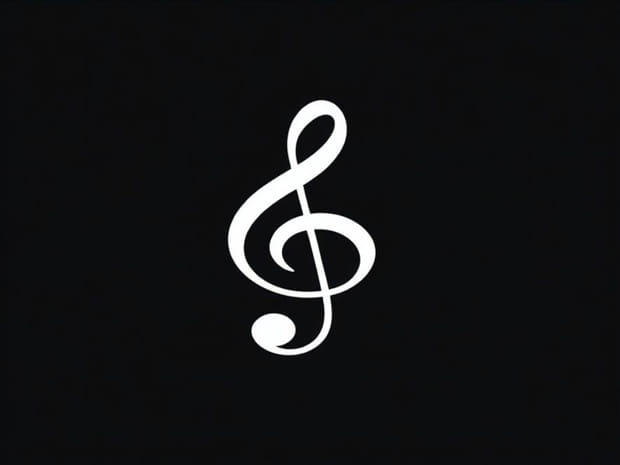
The treble clef is a symbol placed at the beginning of a staff that indicates the pitch of the notes on the lines and spaces. Its distinctive spiral design wraps around the second line of the staff, which represents the note G above middle C. This is why it is often called the G clef. The treble clef is typically used for instruments and voices that produce higher frequencies, and it is fundamental for reading melodies and harmonies written for these ranges.
Staff Lines and Spaces
The staff in treble clef consists of five lines and four spaces. Each line and space corresponds to a specific musical note. From the bottom line to the top line, the notes on the lines are E, G, B, D, and F. A helpful mnemonic to remember these line notes is Every Good Boy Does Fine. The notes in the spaces, from bottom to top, are F, A, C, and E, which conveniently spell the word FACE. By memorizing these mnemonics, beginners can quickly identify notes on the staff and improve their sight-reading skills.
Ledger Lines
Sometimes, notes extend above or below the standard five lines of the staff. To accommodate these notes, small lines called ledger lines are added. For example, a note one line above the staff is an A, while a note one line below the staff is a D. Learning to read ledger lines is important for playing more complex music, as melodies often extend beyond the basic staff range.
Note Duration and Rhythm
Reading the treble clef also involves understanding note duration and rhythm. Notes have different shapes, such as whole notes, half notes, quarter notes, and eighth notes, each indicating how long the note should be held relative to the beat. Learning to combine pitch recognition with rhythm reading ensures that you can accurately interpret and perform a piece of music. Counting beats, using a metronome, and practicing with simple exercises can improve both timing and accuracy.
Practice Techniques
Effective practice is essential for mastering the treble clef. Beginners should start with simple exercises that focus on identifying notes on the lines and spaces. Flashcards, apps, and sheet music with large, clear notes are excellent tools for this stage. Gradually, you can introduce more complex exercises involving different rhythms, ledger lines, and intervals. Consistent practice, even for short periods, is more effective than infrequent long sessions, as it helps reinforce memory and develop muscle coordination for instruments.
Using Scales and Exercises
Scales are a powerful tool for learning the treble clef. Practicing major and minor scales not only reinforces note recognition but also improves finger placement for instrumentalists and vocal control for singers. Start with one-octave scales and gradually expand to multiple octaves. Additionally, simple exercises that involve reading melodies from beginner sheet music can help you become comfortable moving between notes quickly and accurately. Repetition and incremental challenges ensure steady progress over time.
Common Challenges
Many beginners face challenges when learning to read the treble clef. One common difficulty is confusing notes that are close in pitch, such as B and C or E and F, which lie next to each other on the staff without a line or space separating them. Another challenge is coordinating rhythm with pitch, especially when notes have varying durations or are played at different tempos. Overcoming these challenges requires focused practice, patience, and gradual exposure to increasingly complex pieces of music.
Tips for Overcoming Challenges
- Use mnemonic devices to remember line and space notes.
- Practice sight-reading simple pieces daily to build confidence.
- Start slow, and gradually increase tempo as accuracy improves.
- Break music into small sections to focus on tricky passages.
- Combine visual, auditory, and kinesthetic learning techniques, such as saying note names out loud while playing or singing.
Applications of Treble Clef Reading
Being able to read the treble clef opens up numerous opportunities for musicians. For pianists, it allows reading the right-hand part of the piano music, which often carries the melody. For instrumentalists like violinists, flutists, and trumpeters, it enables playing pieces written for their instruments. Singers also benefit, as most vocal sheet music for higher voices is written in treble clef. Overall, mastering treble clef reading enhances musical literacy, performance ability, and appreciation for written music.
Integration with Music Theory
Understanding the treble clef is also essential for deeper music theory studies. Knowledge of the clef allows musicians to identify intervals, chords, and key signatures more easily. It provides the foundation for harmonization, composition, and improvisation. Students who read treble clef efficiently can transition smoothly to learning other clefs, such as bass or alto clef, broadening their overall musical skills.
Reading the treble clef is a foundational skill for any musician, singer, or music enthusiast. By understanding the staff, lines, spaces, ledger lines, and note durations, you can interpret sheet music accurately and perform with confidence. Consistent practice, use of mnemonics, and gradual introduction to more complex rhythms and melodies will improve proficiency over time. Mastering the treble clef not only enhances musical performance but also opens doors to deeper comprehension of music theory, composition, and overall musical literacy. With patience and dedication, anyone can become adept at reading the treble clef and enjoy the full range of musical opportunities it offers.