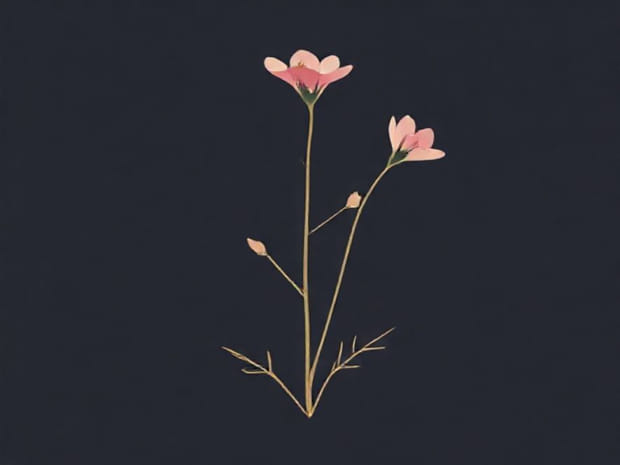
How To Plant Evening Primrose
Evening primrose is a beautiful and versatile plant known for its bright yellow flowers that bloom in the evening. It is not only admired for its ornamental value but also for its medicinal uses, including evening primrose oil derived from its seeds. Planting evening primrose in your garden can enhance its aesthetic appeal while providing a natural source of beneficial compounds. Understanding the proper planting techniques, soil requirements, and care routines is essential for growing healthy evening primrose plants that thrive and produce abundant blooms.
Choosing the Right Location
Evening primrose prefers a sunny location with well-draining soil. Full sunlight is ideal, as it encourages robust flowering and healthy plant growth. However, it can tolerate partial shade, especially in regions with very hot summers. Selecting the right planting site ensures that the evening primrose receives adequate light and space to develop strong stems and vibrant blooms.
Factors to Consider
- Sunlight Choose a location that receives at least six hours of direct sunlight daily.
- Soil type Loamy or sandy soil with good drainage is preferred.
- Space Allow at least 12 to 18 inches between plants for proper air circulation.
- Protection Avoid areas prone to waterlogging or strong winds that can damage stems.
Preparing the Soil
Preparing the soil is a crucial step when planting evening primrose. The soil should be loose, fertile, and slightly acidic to neutral, with a pH between 6.0 and 7.0. Remove any weeds, rocks, or debris before planting to reduce competition for nutrients and water. Mixing compost or well-rotted organic matter into the soil enhances fertility and improves moisture retention while keeping the soil well-drained.
Soil Preparation Steps
- Loosen the soil to a depth of at least 12 inches using a garden fork or tiller.
- Add compost or organic matter to enrich the soil.
- Ensure proper drainage by incorporating sand if the soil is heavy or clayey.
- Level the soil surface to make planting easier.
Planting Evening Primrose Seeds
Evening primrose can be grown from seeds or seedlings. Starting from seeds is common and allows for a wider selection of varieties. Sow seeds directly into the prepared soil in early spring or fall, depending on your climate. Lightly press the seeds into the soil but avoid covering them too deeply, as they need light to germinate effectively. Maintaining consistent moisture is key during the germination period, which usually takes one to two weeks.
Steps for Planting Seeds
- Scatter seeds evenly across the prepared soil bed.
- Press seeds gently into the soil surface without burying them deeply.
- Water the area lightly to keep the soil moist but not waterlogged.
- Thin seedlings to 12 to 18 inches apart once they reach a few inches in height.
Transplanting Seedlings
If you start evening primrose indoors, transplant seedlings outdoors once they develop strong roots and the threat of frost has passed. Hardening off seedlings before transplanting helps them adjust to outdoor conditions. Gradually expose them to sunlight, wind, and fluctuating temperatures over a week to reduce transplant shock.
Transplanting Guidelines
- Choose a cool, cloudy day or early morning to transplant.
- Dig holes slightly larger than the seedling root ball.
- Plant seedlings at the same depth they were growing in pots.
- Water immediately after transplanting to settle the soil around roots.
Watering and Fertilizing
Evening primrose requires regular watering, especially during dry periods. Keep the soil consistently moist but avoid overwatering, which can lead to root rot. Mulching around the base helps retain moisture and suppress weeds. Fertilizing is not always necessary if the soil is rich, but a balanced, slow-release fertilizer can promote vigorous growth and flowering.
Watering Tips
- Water deeply once or twice a week, depending on rainfall.
- Use mulch to conserve moisture and maintain stable soil temperature.
- Adjust watering frequency based on seasonal changes.
Fertilizing Tips
- Apply a balanced fertilizer in early spring as growth begins.
- Optional Feed with liquid fertilizer during peak flowering for enhanced blooms.
- Avoid excessive nitrogen, which encourages foliage growth over flowers.
Pruning and Maintenance
Pruning evening primrose helps maintain a tidy appearance and encourages continuous blooming. Deadheading spent flowers prevents seed formation and extends the flowering period. Regularly remove damaged or diseased stems to promote overall plant health. Evening primrose is generally low-maintenance, but monitoring for pests and diseases ensures it thrives throughout the growing season.
Maintenance Tips
- Deadhead flowers regularly to promote new blooms.
- Trim back any leggy or overgrown stems to encourage compact growth.
- Monitor for pests such as aphids or caterpillars and treat accordingly.
- Keep the area around plants free from weeds to reduce competition.
Harvesting Evening Primrose Seeds
Evening primrose seeds are valuable for producing evening primrose oil, which has multiple health benefits. Harvest seeds once the seed pods turn brown and begin to dry. Collect them carefully and store them in a cool, dry place. Proper harvesting and storage ensure the seeds remain viable for planting or oil extraction in the future.
Harvesting Steps
- Wait until seed pods turn brown and dry on the plant.
- Cut seed pods carefully without damaging the plant.
- Allow seeds to dry further indoors if needed.
- Store in airtight containers to maintain viability.
Common Challenges and Solutions
Growing evening primrose can present challenges such as fungal diseases, pests, or poor flowering. Addressing these issues early ensures healthy growth and vibrant blooms. Proper spacing, watering practices, and soil preparation reduce the risk of most common problems.
Problem-Solving Tips
- For fungal diseases avoid overhead watering and provide adequate air circulation.
- For pests use natural insecticidal sprays or remove pests manually.
- For poor flowering ensure plants receive enough sunlight and balanced fertilization.
Planting evening primrose is a rewarding process that brings beauty and medicinal benefits to your garden. By selecting the right location, preparing soil properly, and following careful planting, watering, and maintenance routines, you can cultivate healthy plants that bloom abundantly. Consistent care, including pruning and pest management, ensures that evening primrose continues to thrive year after year, providing both ornamental and practical value to your gardening space.