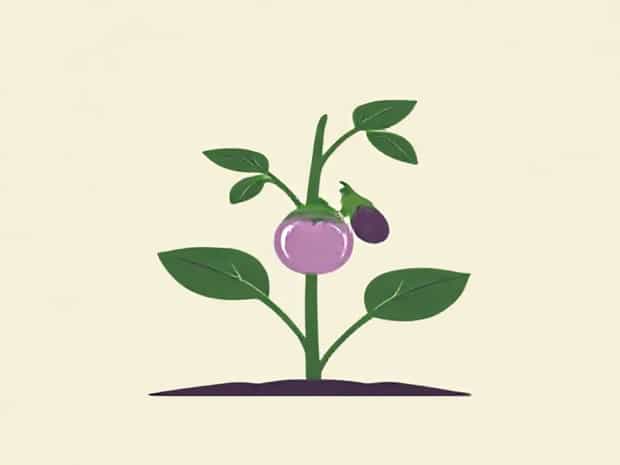
How To Plant Eggplant
Eggplant, also known as aubergine, is a versatile and delicious vegetable that can be grown in a home garden with a bit of care and attention. Whether you want to harvest the classic deep purple varieties or experiment with lighter-colored and striped types, understanding how to plant eggplant properly is essential for success. This warm-season crop thrives in sunny conditions and well-drained soil, producing an abundant harvest if given the right start. Learning the steps of planting, caring for, and maintaining eggplant can help you enjoy fresh and flavorful vegetables throughout the growing season.
Choosing the Right Eggplant Variety
Before planting, it is important to decide which type of eggplant you want to grow. There are many varieties available, each with unique characteristics. Some common options include
- Classic GlobeLarge, round, and deep purple eggplants commonly seen in grocery stores.
- Japanese EggplantLong, slender fruits with tender skin and a mild flavor.
- Italian EggplantSmaller and sweeter, often used in Mediterranean recipes.
- White EggplantOval and pale in color, offering a slightly firmer texture.
Choosing a variety that suits your climate and cooking preferences will ensure the best results when planting eggplant in your garden.
Best Growing Conditions for Eggplant
Eggplant is a warm-weather crop that grows best when temperatures remain consistently between 70°F and 85°F. Here are the key growing conditions
- SunlightFull sun is essential. Aim for at least 6 to 8 hours of direct sunlight daily.
- SoilLoose, well-draining soil enriched with organic matter supports healthy roots.
- pH LevelSlightly acidic to neutral soil, ideally between 6.0 and 7.0.
- TemperatureEggplants do not tolerate frost, so planting should wait until the soil is warm.
Starting Eggplant from Seeds
One of the most common methods of planting eggplant is by starting seeds indoors before the last frost. This allows seedlings to grow strong before being transplanted outside.
Seed Preparation
Start seeds indoors about 8 to 10 weeks before your area’s last expected frost date. Use seed trays or small pots filled with a seed-starting mix. Sow the seeds about ¼ inch deep, cover lightly with soil, and water gently.
Germination and Seedling Care
- Keep the trays in a warm environment, ideally 75°F to 85°F, to encourage germination.
- Water regularly to keep the soil moist but not soggy.
- Place seedlings in a bright location or under grow lights to prevent them from becoming leggy.
- Thin the seedlings once they develop their first true leaves, keeping only the strongest plants.
Transplanting Eggplant Seedlings
When the seedlings are 6 to 8 inches tall and the outdoor soil has warmed, they are ready for transplanting. Harden them off first by gradually exposing them to outdoor conditions for a week before planting in the ground.
Spacing and Planting
- Space eggplant seedlings 18 to 24 inches apart to allow good air circulation.
- Rows should be about 2 to 3 feet apart for easy maintenance and growth.
- Dig a hole slightly larger than the root ball, place the seedling inside, and cover with soil up to the base of the stem.
- Water thoroughly after planting to help the seedlings establish.
Growing Eggplant in Containers
If garden space is limited, eggplant can be grown successfully in containers. Choose a pot at least 12 to 14 inches deep and wide, with proper drainage holes. Use a high-quality potting mix and place the container in a sunny location. Container-grown eggplants may require more frequent watering and fertilizing, but they often produce excellent yields.
Watering and Fertilizing
Proper watering is one of the most important aspects of how to plant eggplant successfully. Consistent moisture helps prevent issues like bitterness in the fruit.
- Water deeply once or twice a week, depending on rainfall and soil conditions.
- Avoid overhead watering to reduce the risk of fungal diseases; water at the base of the plant instead.
- Mulching around the base helps retain soil moisture and keep weeds under control.
- Fertilize with a balanced fertilizer every few weeks, or use compost and organic matter at planting time to enrich the soil.
Supporting Eggplant Plants
Because eggplant fruits can become heavy, the stems may require support as they grow. Staking or using a tomato cage around each plant can prevent branches from breaking and keep fruits off the ground. This also improves airflow, reducing the chances of disease.
Pest and Disease Management
Eggplants are sometimes affected by pests and diseases. Monitoring the plants regularly helps prevent major problems.
- Flea BeetlesSmall pests that chew holes in the leaves. Row covers or neem oil can help control them.
- AphidsCan cluster on leaves and stems, weakening the plant. Spray with water or use insecticidal soap.
- Spider MitesCause yellowing leaves and webbing; keeping plants well-watered helps prevent infestations.
- Fungal DiseasesGood spacing, mulching, and watering at the base help reduce risks of blight and wilt.
Harvesting Eggplant
Knowing when and how to harvest eggplant ensures the best flavor and texture. Fruits left too long on the plant can become tough and bitter.
- Harvest when the skin is glossy, smooth, and firm to the touch.
- Use pruning shears or a sharp knife to cut the fruit, leaving a short stem attached.
- Check plants frequently, as eggplants can grow quickly once they reach maturity.
- Regular harvesting encourages more fruit production throughout the season.
Storing Fresh Eggplant
Freshly harvested eggplants can be stored at room temperature for a day or two, but for longer storage, place them in the refrigerator. Ideally, use them within a week to enjoy the best taste and texture. Avoid washing the fruit until just before use to prevent early spoilage.
Companion Planting with Eggplant
Eggplant benefits from being planted alongside certain crops. Companion planting can help deter pests, improve soil health, and make efficient use of garden space. Good companions for eggplant include beans, peppers, spinach, and thyme. Avoid planting eggplant near fennel, as it can hinder growth.
Tips for a Healthy Eggplant Harvest
To maximize your eggplant yield, keep these additional tips in mind
- Rotate crops yearly to reduce soil-borne diseases.
- Prune excess leaves to allow more sunlight to reach the fruits.
- Watch for early signs of pests to address problems quickly.
- Fertilize consistently, but avoid overfeeding with nitrogen, which can cause leafy growth instead of fruiting.
Learning how to plant eggplant successfully involves choosing the right variety, preparing healthy soil, and providing proper care throughout the growing season. By starting seeds indoors, transplanting seedlings at the right time, and ensuring good watering and fertilization practices, you can enjoy a plentiful harvest of fresh, flavorful eggplants. With regular maintenance, pest control, and timely harvesting, eggplant can become one of the most rewarding vegetables in your garden. Whether grown in raised beds, open soil, or containers, this warm-season crop offers both beauty and taste, making it a valuable addition to any home garden.