How To Paint Ceramic
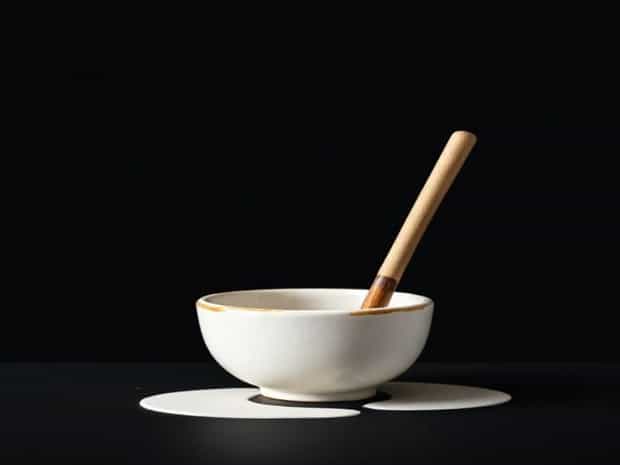
Painting ceramic is a rewarding craft that allows artists, hobbyists, and DIY enthusiasts to transform plain pottery, tiles, or figurines into personalized works of art. The process involves understanding the unique properties of ceramic surfaces, selecting the right paints and brushes, and applying techniques that ensure durability and vibrancy. Whether decorating a handmade mug, a decorative plate, or a clay figurine, knowing how to paint ceramic properly enhances both the aesthetic appeal and longevity of the finished piece. Mastering ceramic painting combines creativity, patience, and careful attention to detail, making it accessible for beginners while offering advanced possibilities for experienced artists.
Preparing the Ceramic Surface
Proper surface preparation is essential for achieving a smooth, long-lasting finish when painting ceramic. Ceramics are often non-porous, which can make paint adhesion challenging if the surface is not cleaned and primed. Begin by washing the ceramic piece with warm water and mild soap to remove dust, oils, and residues. After rinsing, allow the piece to dry completely. For unglazed ceramics, lightly sanding the surface with fine-grit sandpaper can create a slightly rough texture that improves paint adhesion. Ensuring a clean and properly prepared surface is the first step toward professional-looking results.
Choosing the Right Paints
Selecting the appropriate type of paint is crucial for both indoor and functional ceramic items. Acrylic paints are popular for their versatility, quick drying time, and ease of use. They can be used for decorative pieces and allow layering of colors. For ceramics that will be used for food or drink, specialized ceramic or porcelain paints that are non-toxic and food-safe should be used. Some ceramic paints require baking in an oven to set the paint, ensuring durability and preventing peeling or chipping.
Basic Painting Techniques
Understanding basic painting techniques helps in creating smooth and consistent designs on ceramic surfaces. Brush selection, stroke direction, and layering all influence the final appearance. Use soft, high-quality brushes for detail work and broader brushes for filling larger areas. Thin, even layers of paint prevent streaking and ensure colors appear vibrant. Multiple thin coats are often more effective than a single thick coat, reducing the risk of drips or uneven textures.
Using Base Coats and Underpainting
Applying a base coat or underpainting can help achieve a uniform color and make subsequent layers of paint more vivid. A base coat is usually a neutral or light color that covers the entire surface of the ceramic piece. Underpainting involves creating a preliminary layer that defines shapes, shadows, and highlights. These techniques are particularly useful for complex designs and allow for easier blending and layering of additional colors.
Detailing and Decorative Techniques
Once the base layers are complete, adding details and decorative elements can bring the ceramic piece to life. Techniques such as stippling, sponging, and dry brushing create texture and depth. Fine-line brushes or detail pens can be used to add intricate patterns, floral designs, or lettering. Masking tape or stencils can help create clean lines and geometric patterns. Experimenting with different brush sizes, textures, and application methods allows artists to develop a signature style.
Layering Colors
Layering is a powerful technique for creating depth and richness in ceramic painting. Begin with lighter colors and gradually add darker shades or highlights. Blending colors while they are still wet can create smooth transitions and gradient effects. Allow each layer to dry before applying the next to prevent smudging or mixing of unintended areas. Layering also allows for corrections and refinements, making it easier to achieve a polished and professional appearance.
Setting and Sealing the Paint
Properly setting and sealing the paint is essential to ensure that the design is durable and long-lasting. Depending on the type of paint used, the ceramic piece may require air drying, oven curing, or firing in a kiln. Oven-baked ceramic paints typically require baking at specific temperatures to set the paint and make it dishwasher-safe. After the paint has cured, applying a clear sealer or varnish adds a protective layer that enhances gloss, protects colors from fading, and increases resistance to scratches or chipping.
Oven-Baking vs. Air-Drying
Acrylic paints often air-dry, but for functional ceramics like plates or mugs, oven-baking provides a stronger bond between paint and surface. Follow the manufacturer’s instructions for temperature and duration to avoid cracking or discoloration. Air-drying is suitable for decorative items, allowing them to retain their appearance without heat. Sealing with a clear coat is recommended in either case for added durability and protection against moisture and wear.
Common Mistakes to Avoid
Several common mistakes can affect the quality of ceramic painting. Applying paint to a dirty or greasy surface can prevent adhesion, leading to flaking. Using thick or uneven layers can result in streaks or bubbles. Skipping proper drying or curing can make the paint more susceptible to damage. Overworking wet layers may cause smudging, and neglecting to seal the piece can shorten its lifespan. Being mindful of these potential issues ensures a smoother painting process and a more durable finished product.
Tips for Success
- Always clean and dry the ceramic surface thoroughly before painting.
- Use multiple thin layers of paint instead of one thick coat.
- Choose high-quality brushes and paints suitable for ceramics.
- Allow each layer to dry completely before applying the next.
- Follow manufacturer guidelines for curing, whether air-drying, oven-baking, or kiln-firing.
- Seal the painted ceramic with a clear protective finish to enhance durability.
- Experiment with techniques on a test piece before painting the final item.
Creative Applications
Painting ceramics offers endless creative possibilities. Artists can create custom dinnerware, decorative tiles, figurines, vases, and personalized gifts. Seasonal themes, abstract designs, and realistic depictions are all possible with careful planning and technique. Combining ceramic painting with other craft methods, such as glazing, etching, or decoupage, can further enhance the aesthetic appeal. The versatility of ceramic painting makes it a popular choice for both hobbyists and professional artists looking to create unique, handmade pieces.
Painting ceramic is an art that blends technical skill with creative expression. From preparing the surface and selecting the right paints to mastering layering, detailing, and proper curing techniques, each step contributes to the durability and beauty of the final piece. Whether creating decorative art, functional tableware, or custom gifts, understanding how to paint ceramic ensures vibrant, long-lasting results. With practice, patience, and attention to detail, anyone can transform plain ceramics into stunning, personalized works of art that reflect individual style and creativity.