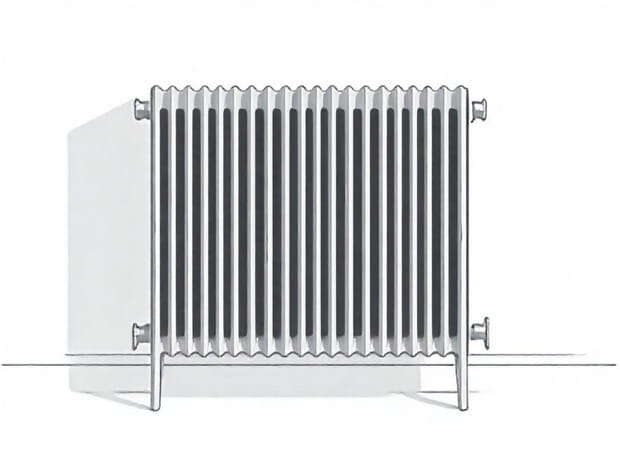
How To Paint A Radiator
Painting a radiator is a practical way to refresh the look of a room and protect the metal from rust and wear. Unlike regular walls or furniture, radiators have unique surfaces that require careful preparation and specialized paint to ensure proper adhesion and heat resistance. Whether you are updating the color to match a new décor or restoring an old radiator, understanding the correct steps, materials, and techniques is essential for achieving a professional finish. Painting a radiator also involves safety precautions and attention to detail to prevent damage and ensure that it functions efficiently once repainted.
Choosing the Right Paint for Radiators
The first step in painting a radiator is selecting the appropriate type of paint. Radiators generate heat, which can affect the performance of ordinary paints. For best results, choose paint specifically formulated for metal surfaces and heat exposure. Heat-resistant radiator paints are designed to withstand high temperatures without blistering, cracking, or discoloring. These paints come in a variety of finishes, including gloss, satin, and matte, allowing you to match your room’s style while providing durable protection.
Types of Radiator Paint
- Oil-based radiator paintOffers a smooth, durable finish and is excellent for metal surfaces. It may take longer to dry but provides strong adhesion and heat resistance.
- Water-based radiator paintEasier to apply, with lower odor and faster drying times. Modern water-based options are also heat-resistant and suitable for indoor use.
- Spray radiator paintIdeal for covering intricate sections or detailed radiators. Provides an even finish, but proper ventilation is necessary during application.
Preparation Before Painting
Proper preparation is critical for a smooth and long-lasting finish. Skipping preparation steps can result in peeling paint, rust, or uneven coverage. Start by turning off and allowing the radiator to cool completely to avoid burns or accidents. Remove any nearby furniture or protect the floor with a drop cloth to prevent paint splatter.
Cleaning the Radiator
Thoroughly clean the radiator to remove dust, grease, and dirt that can prevent paint from adhering. Use a degreasing cleaner or soapy water and a sponge or cloth to wipe all surfaces. For stubborn grime, a soft brush can help reach narrow gaps between the radiator fins. Allow the radiator to dry completely before proceeding to the next step.
Removing Old Paint and Rust
If the radiator has peeling paint or rust, it is necessary to remove these areas for a smooth finish. Use sandpaper or a wire brush to scrape away flaking paint and surface rust. For deeper rust spots, a rust converter can be applied to stabilize the metal and prevent further corrosion. Once sanding is complete, wipe down the radiator to remove dust and debris.
Priming the Surface
Applying a primer helps the paint adhere better and enhances durability. Use a metal primer that is compatible with heat-resistant paints. Apply a thin, even coat and allow it to dry according to the manufacturer’s instructions. Priming is especially important for bare metal or areas where rust was removed, as it provides a protective layer that prevents corrosion.
Techniques for Painting a Radiator
Painting a radiator requires precision due to its shape and multiple surfaces. Using the right tools and technique ensures even coverage and prevents drips.
Brush Painting
For detailed areas or small sections, a high-quality brush is ideal. Use long, even strokes and apply thin layers to avoid pooling or drips. Work from the top of the radiator downward, and reach into gaps between fins carefully. Multiple thin coats are better than one thick coat, allowing each layer to dry fully before applying the next.
Spray Painting
Spray paint can save time and provide a smooth finish, especially for large or intricate radiators. Shake the can thoroughly and hold it at the recommended distance from the surface. Apply in sweeping motions, overlapping each pass slightly for even coverage. Use painter’s tape and protective covering for walls and floors to avoid overspray. Allow each coat to dry completely before applying additional layers.
Painting Tips for Even Coverage
- Apply paint in thin, consistent layers to avoid drips and runs.
- Use a small brush to reach tight spaces between fins or decorative sections.
- Maintain proper ventilation in the room to speed drying and reduce fumes.
- Rotate the radiator if possible to access all sides and ensure uniform coverage.
Drying and Curing
After applying the final coat, allow the radiator to dry thoroughly before turning it on. Drying times vary depending on the paint type, room temperature, and humidity. Some heat-resistant paints require a curing period where the radiator is gradually heated to set the paint without causing blistering. Follow the manufacturer’s instructions carefully to avoid damaging the new finish.
Maintenance After Painting
Once the radiator is painted and in use, regular maintenance helps preserve its appearance and longevity. Avoid harsh cleaners or abrasive tools when cleaning the surface. Dust the radiator regularly with a soft cloth or brush to prevent dirt buildup. Check for signs of chipping or wear over time, and touch up as needed to maintain a fresh look and protect the metal.
Additional Tips
- Remove radiator covers temporarily if they hinder painting access.
- Label the paint type and color for future touch-ups.
- Ensure pets and children are kept away during painting and drying.
- Consider using a radiator paint that also has antibacterial properties for added hygiene.
Painting a radiator is a manageable DIY project that can greatly enhance the look of a room while protecting the metal from corrosion and wear. Success depends on selecting the right heat-resistant paint, thorough preparation, and careful application techniques. Whether using a brush or spray paint, applying multiple thin layers ensures an even, durable finish. Proper drying, curing, and ongoing maintenance keep the radiator looking its best and functioning efficiently. By following these steps, homeowners can confidently transform their radiators, adding both style and longevity to this essential household feature.
With attention to detail, patience, and the right materials, painting a radiator is a rewarding project that delivers noticeable results. The combination of preparation, proper paint choice, careful application, and maintenance ensures that the radiator not only looks attractive but also continues to operate safely and effectively, providing warmth and comfort for years to come.