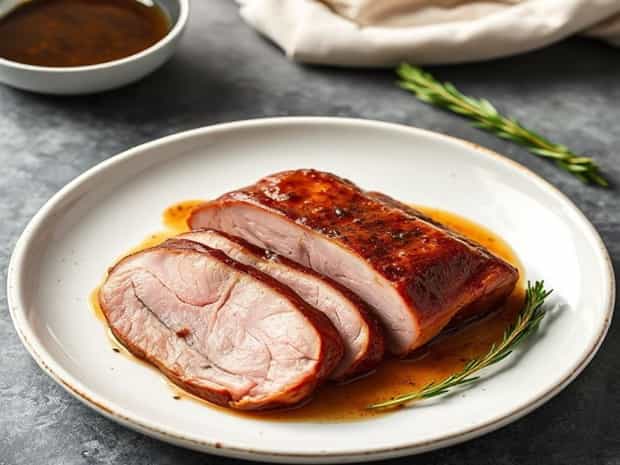
How To Marinade Pork Loin
Marinating pork loin is an essential step for enhancing its flavor, tenderness, and juiciness. Pork loin is a lean cut of meat that can sometimes dry out if not prepared properly, but a well-balanced marinade can transform it into a succulent, flavorful dish. Understanding the principles of marinating, including the right combination of acids, oils, and seasonings, as well as the ideal marinating time, allows you to create a perfectly seasoned pork loin for roasting, grilling, or pan-searing. Mastering this technique ensures every bite is tender and flavorful, whether for a family dinner or a special occasion.
Understanding Pork Loin
Pork loin comes from the back of the pig and is a versatile cut that can be cooked whole or sliced into chops. It has a mild flavor that pairs well with a variety of seasonings, herbs, and spices. Because it is lean, overcooking can result in dryness, making marinating an important step for infusing flavor and moisture. A good marinade not only enhances taste but also helps break down muscle fibers slightly, improving texture and tenderness.
Choosing the Right Cut
- Whole pork loin – ideal for roasting and slicing into medallions.
- Pork loin chops – suitable for grilling or pan-searing.
- Boneless pork loin – easier to marinate evenly and quicker to cook.
- Bone-in pork loin – adds flavor and moisture, but may require slightly longer marinating.
Essential Components of a Marinade
Successful marinades combine several key elements acids, oils, and seasonings. Each component serves a purpose in flavoring and tenderizing the meat.
Acidic Ingredients
Acids help break down proteins in the pork loin, making it more tender. Common acidic ingredients include
- Lemon or lime juice
- Vinegars (apple cider, balsamic, rice vinegar)
- Yogurt or buttermilk
- Wine or beer
Oils and Fats
Oils help distribute flavors evenly, retain moisture, and prevent the pork from drying out during cooking. Examples include
- Olive oil – adds richness and enhances flavor absorption.
- Vegetable or canola oil – neutral taste and helps coat the meat.
- Sesame or nut oils – add a distinctive flavor for Asian-inspired marinades.
Seasonings and Aromatics
Seasonings provide depth and complexity. Common choices include
- Salt and pepper – essential for enhancing natural flavor.
- Garlic and onion – add savory notes.
- Herbs – rosemary, thyme, sage, oregano, or parsley.
- Spices – paprika, chili powder, cumin, or coriander.
- Sweeteners – honey, brown sugar, or maple syrup for balance and caramelization.
Step-by-Step Guide to Marinating Pork Loin
Step 1 Prepare the Pork Loin
Start by trimming excess fat and silver skin from the pork loin if necessary. Pat the meat dry with paper towels to ensure the marinade adheres evenly. Scoring the surface lightly can also help the marinade penetrate deeper, enhancing flavor and tenderness.
Step 2 Combine the Marinade Ingredients
In a mixing bowl, combine your chosen acids, oils, seasonings, and aromatics. Whisk until fully blended. A typical marinade ratio is roughly three parts oil to one part acid, with salt, spices, and herbs adjusted to taste. This combination ensures the meat remains moist while absorbing maximum flavor.
Step 3 Marinate the Pork Loin
Place the pork loin in a resealable plastic bag, shallow dish, or container. Pour the marinade over the meat, making sure it is evenly coated. Seal the bag or cover the container, then refrigerate. For optimal flavor
- Small chops – 1 to 2 hours.
- Whole pork loin – 4 to 12 hours.
- Overnight marinating can further enhance flavor but avoid exceeding 24 hours to prevent the acid from breaking down the meat too much.
Step 4 Turn the Meat Occasionally
During marination, occasionally turn the pork loin or massage the bag gently to redistribute the marinade. This ensures even flavor penetration and avoids over-saturation in one area.
Cooking the Marinated Pork Loin
After marinating, remove the pork loin from the refrigerator and let it sit at room temperature for 15-30 minutes before cooking. This helps it cook evenly.
Roasting
- Preheat oven to 375°F (190°C).
- Place pork loin on a roasting rack in a pan.
- Roast until internal temperature reaches 145°F (63°C).
- Allow the meat to rest for 10-15 minutes before slicing.
Grilling
- Preheat grill to medium-high heat.
- Grill pork loin chops 4-6 minutes per side, depending on thickness.
- For a whole loin, use indirect heat and monitor internal temperature.
Pan-Searing
- Heat a skillet over medium-high heat and add a small amount of oil.
- Sear each side of pork chops for 3-5 minutes.
- Reduce heat and cook until internal temperature reaches 145°F (63°C).
Tips for Perfectly Marinated Pork Loin
- Use fresh herbs and spices for the best flavor impact.
- Do not over-marinate in highly acidic mixtures, which can change texture.
- Bring meat to room temperature before cooking for even cooking.
- Use a meat thermometer to avoid overcooking and drying out the pork.
- Rest meat after cooking to allow juices to redistribute.
Common Mistakes to Avoid
- Marinating at room temperature – always refrigerate to prevent bacterial growth.
- Using too much acid – can result in mushy texture.
- Skipping the pat dry step – excess moisture prevents proper searing.
- Overcooking – pork loin is lean and can dry out quickly.
- Not allowing the meat to rest after cooking – juices can escape, reducing tenderness.
Variations of Pork Loin Marinades
Pork loin can be adapted to many flavor profiles depending on the marinade
- Asian-inspired – soy sauce, ginger, garlic, sesame oil, and honey.
- Italian-style – olive oil, lemon juice, garlic, rosemary, and oregano.
- Sweet and spicy – brown sugar, chili powder, paprika, and apple cider vinegar.
- Herbaceous – fresh thyme, sage, garlic, and olive oil with a splash of white wine.
Marinating pork loin is a key step for ensuring a flavorful, tender, and juicy dish. By understanding the cut of meat, combining the right acids, oils, and seasonings, and following proper marinating times and techniques, anyone can create a delicious pork loin suitable for roasting, grilling, or pan-searing. Monitoring internal temperature and allowing the meat to rest ensures the best texture and taste. Experimenting with different marinades provides endless flavor possibilities while maintaining the essential principles of marination.
Mastering how to marinate pork loin allows you to transform a lean cut into a succulent and aromatic centerpiece for any meal. With attention to detail and careful seasoning, pork loin becomes tender, juicy, and infused with flavor, making it an ideal choice for family dinners, special occasions, or culinary experimentation.