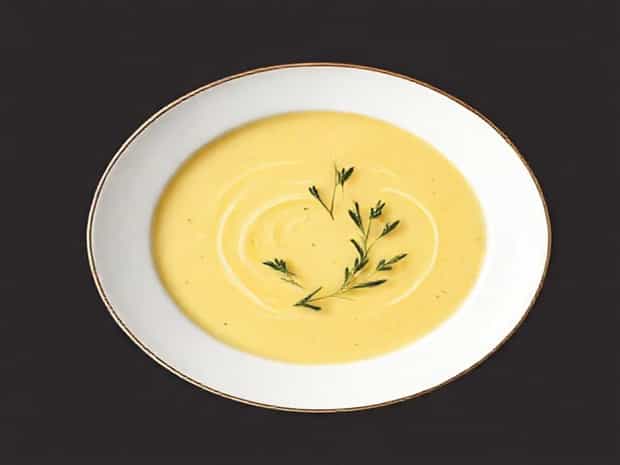
How To Make Parsnip Soup
Parsnip soup is a comforting and flavorful dish that brings warmth to any meal, particularly during colder months. This creamy, slightly sweet, and earthy soup is made from parsnips, a root vegetable that resembles carrots but offers a nuttier and spicier flavor profile. Making parsnip soup at home allows you to control the ingredients, creating a healthy and satisfying dish that can be enjoyed as a starter or a main course. With a few simple steps, you can prepare a rich, velvety soup that highlights the natural sweetness of parsnips while blending beautifully with complementary vegetables and seasonings.
Ingredients for Parsnip Soup
Main Ingredients
To prepare a classic parsnip soup, you will need fresh parsnips as the primary ingredient. Choose firm, smooth parsnips without blemishes for the best flavor. Other key ingredients include onions, garlic, and potatoes to add depth and body to the soup. A good vegetable or chicken broth is essential for creating a flavorful base, while a splash of cream or milk can be added for extra creaminess.
Herbs and Spices
Parsnip soup can be enhanced with a variety of herbs and spices. Common choices include
- Thyme – for earthy, aromatic notes
- Bay leaves – to deepen the flavor
- Nutmeg – adds subtle warmth and spice
- Salt and pepper – for seasoning
- Fresh parsley or chives – for garnish and freshness
Preparing the Vegetables
Cleaning and Peeling
Begin by washing the parsnips thoroughly to remove any dirt. Peel the parsnips and potatoes to create a smooth, creamy texture in the finished soup. Chop all the vegetables into evenly sized pieces to ensure they cook evenly and blend smoothly later.
Sautéing Aromatics
In a large soup pot, heat a small amount of butter or olive oil over medium heat. Add chopped onions and garlic, sautéing until they are soft and fragrant. This step helps to release the flavors and aromas, forming a flavorful base for the soup. You can also add a pinch of salt during sautéing to help draw out the natural sweetness of the onions.
Cooking the Parsnips
Simmering in Broth
Add the chopped parsnips, potatoes, and other desired vegetables to the pot with the sautéed onions and garlic. Pour in enough broth to cover the vegetables. Bring the mixture to a boil, then reduce the heat to a simmer. Add your chosen herbs, such as thyme and bay leaves, and let the soup cook gently for 20-30 minutes until the parsnips and potatoes are tender.
Blending the Soup
Once the vegetables are soft, remove the bay leaves and any herb stems. Use an immersion blender directly in the pot to puree the soup until smooth and creamy. Alternatively, you can carefully transfer the soup in batches to a countertop blender. Blending thoroughly ensures a velvety texture that makes the soup rich and satisfying.
Adding Creaminess and Flavor
Incorporating Dairy or Alternatives
For extra creaminess, stir in a splash of heavy cream, half-and-half, or whole milk. Non-dairy alternatives like coconut milk or oat cream can also be used for a vegan version without sacrificing richness. Adjust the amount according to your desired consistency, keeping in mind that the soup should be pourable but not too thin.
Seasoning to Taste
Taste the soup and adjust seasoning as needed. Add salt, pepper, and a pinch of nutmeg for a subtle warmth. Fresh herbs, such as chopped parsley or chives, can be added at the end for a bright, fresh flavor. For a touch of acidity and balance, a squeeze of lemon juice can also enhance the sweetness of the parsnips.
Serving Parsnip Soup
Presentation
Pour the soup into bowls and garnish with fresh herbs, a swirl of cream, or a drizzle of olive oil for a visually appealing presentation. Croutons or toasted nuts can be added for texture, providing a satisfying crunch to contrast the smooth soup. Serving the soup warm makes it an inviting starter or a comforting main dish.
Accompaniments
Parsnip soup pairs well with various sides. Consider serving it with crusty bread, garlic toast, or a fresh green salad for a complete meal. The subtle sweetness and earthy flavor of the parsnips complement a wide range of side dishes, making it versatile for any occasion.
Tips for Perfect Parsnip Soup
- Choose fresh, firm parsnips for the best flavor.
- Do not overcook the vegetables, as they can lose flavor and texture.
- Use a high-quality broth to enhance the depth of taste.
- Blend thoroughly to achieve a smooth, creamy consistency.
- Adjust seasonings gradually and taste frequently to balance flavors.
- For a slightly spicy twist, add a pinch of cayenne pepper or a dash of smoked paprika.
- Store leftovers in an airtight container in the refrigerator for up to three days.
Health Benefits of Parsnip Soup
Parsnip soup is a nutritious choice, rich in fiber, vitamins, and minerals. Parsnips are an excellent source of vitamin C, potassium, and antioxidants, which support immune function and overall health. The soup can be made low-fat and low-calorie by using vegetable broth and skipping heavy cream, making it a light and satisfying meal. Adding other vegetables, such as carrots, celery, or leeks, increases nutritional value while enhancing flavor complexity.
Variations of Parsnip Soup
Spiced Parsnip Soup
Add warming spices like cumin, coriander, or turmeric to the soup for a more complex and aromatic flavor profile. These spices complement the natural sweetness of the parsnips and create a cozy, winter-friendly dish.
Parsnip and Apple Soup
For a slightly fruity twist, add peeled and chopped apples during the simmering stage. Apples add natural sweetness and pair beautifully with the earthy taste of parsnips. This variation is ideal for autumn or winter menus.
Vegan Parsnip Soup
Use vegetable broth and non-dairy cream alternatives to create a vegan version of parsnip soup. Coconut milk or oat cream adds creaminess while keeping the soup plant-based and flavorful.
Making parsnip soup at home is a simple yet rewarding process that results in a warm, flavorful, and versatile dish. From selecting fresh parsnips to preparing a smooth, creamy soup with herbs, spices, and complementary vegetables, each step contributes to a satisfying culinary experience. Whether served as a starter, main course, or alongside fresh bread, parsnip soup is a comforting option for family meals, special occasions, or casual dining. By experimenting with spices, herbs, and additional ingredients like apples or nuts, you can create your own unique version of parsnip soup that highlights the natural sweetness and earthy flavors of this humble root vegetable. With careful preparation and attention to detail, parsnip soup can become a favorite dish that delights both the eyes and the palate, offering a nourishing and delicious experience with every spoonful.