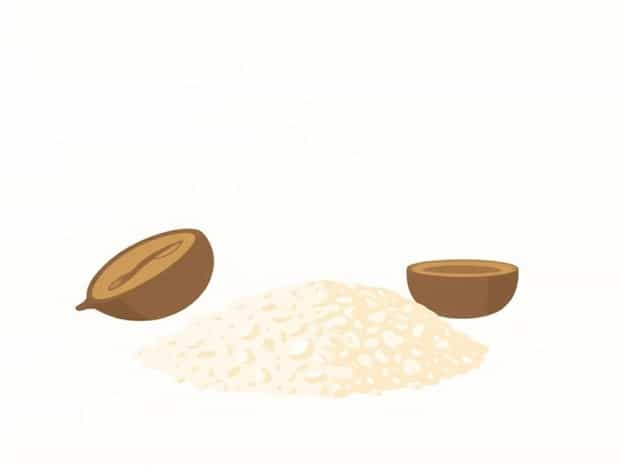
How To Make Copra Meal
Copra meal is a highly valuable by-product derived from coconut processing, widely used as animal feed and a source of protein-rich ingredients in livestock diets. Understanding how to make copra meal not only provides insight into coconut processing but also highlights its economic and nutritional importance. The production of copra meal involves drying, oil extraction, and grinding, transforming raw coconut kernels into a nutrient-dense product suitable for poultry, cattle, and other livestock. This topic will explore the process of making copra meal, the equipment used, and tips for ensuring high-quality output that meets both nutritional and safety standards.
Selection of Quality Coconuts
The first step in producing high-quality copra meal is selecting fresh, mature coconuts. Mature coconuts contain the highest amount of oil in the kernel, which is essential for producing nutrient-rich copra meal. The coconuts should be free from mold, cracks, or any signs of spoilage. Proper selection ensures that the final copra meal has optimal protein content and minimal contaminants, making it safe and nutritious for animal consumption.
Extracting the Coconut Meat
Once the coconuts are selected, the next step is removing the husk and shell to access the coconut meat, also called the kernel. The coconut is split open, and the meat is carefully extracted using either manual tools or mechanical graters. The fresh coconut meat can then be processed for oil extraction, which is a crucial step in making copra meal. This preparation ensures that the kernels are clean and ready for further processing.
Drying the Coconut Meat
Drying the coconut meat is an essential step to prepare it for oil extraction. Traditionally, coconut meat is sun-dried for several days, reducing its moisture content to around 6-7%. Mechanical dryers or kilns can also be used to speed up the drying process while maintaining the quality of the copra. Proper drying prevents mold growth and spoilage, ensuring that the coconut kernels are suitable for oil pressing.
Oil Extraction from Dried Coconut
The primary purpose of processing copra is to extract coconut oil, leaving behind a protein-rich by-product known as copra meal. There are two main methods for oil extraction
- Mechanical PressingDried coconut kernels are crushed using screw presses or hydraulic presses. This method physically extracts the oil while leaving the residual solid mass, which is later processed into copra meal.
- Solvent ExtractionIn industrial settings, solvents like hexane are used to extract the maximum amount of oil from dried copra. After oil removal, the remaining solid is further processed into copra meal.
The extracted oil is collected for commercial use, while the remaining cake is the raw form of copra meal.
Grinding the Copra Cake
After oil extraction, the remaining copra cake is hard and bulky. Grinding the cake into fine ptopics increases its digestibility and suitability as animal feed. Hammer mills, roller mills, or other grinding equipment are commonly used to achieve a uniform ptopic size. Fine grinding ensures that livestock can easily consume the copra meal and absorb its nutrients effectively.
Nutritional Enhancement
Copra meal is naturally rich in protein and fiber but may require supplementation depending on the intended use. Producers sometimes fortify copra meal with vitamins, minerals, or amino acids to meet the nutritional needs of specific animals. Proper formulation ensures that livestock receives a balanced diet, improving growth rates, milk production, and overall health.
Storage and Preservation
Proper storage of copra meal is essential to prevent spoilage and maintain nutritional quality. The meal should be stored in cool, dry conditions to avoid moisture absorption, mold growth, or insect infestation. Sealed containers or sacks can protect the copra meal from environmental factors, and regular monitoring ensures that the product remains safe and nutritious over time. Maintaining good storage practices is particularly important for large-scale producers and feed distributors.
Uses of Copra Meal
Copra meal is widely used in animal husbandry as a cost-effective source of protein and fiber. Some common applications include
- Poultry FeedCopra meal provides protein to support egg production and growth in chickens and other birds.
- Cattle FeedThe fiber content aids digestion and complements other feed ingredients in ruminant diets.
- Pig FeedA high-energy, protein-rich component in balanced swine diets.
- Pet FoodOccasionally used in commercial pet food formulations for protein supplementation.
Quality Control Measures
Ensuring the quality of copra meal involves regular testing for moisture content, protein levels, and potential contaminants like aflatoxins. High-quality copra meal should be uniform in color, odorless or slightly nutty, and free from foreign matter. Following standard quality control protocols helps producers meet industry regulations and deliver safe, nutritious feed to the livestock market.
Environmental Considerations
Producing copra meal involves managing by-products like coconut husks and shells, which can be repurposed as fuel, mulch, or organic fertilizers. Sustainable practices reduce waste, minimize environmental impact, and add economic value to coconut processing operations. Additionally, modern extraction methods that use less energy or employ eco-friendly solvents contribute to more environmentally responsible production.
Tips for Small-Scale Producers
For small-scale or home-based producers, making copra meal can be a practical and profitable venture. Some tips for successful production include
- Select mature, high-quality coconuts to maximize oil yield and protein content.
- Ensure proper drying techniques to prevent mold and spoilage.
- Use simple mechanical presses or local grinding equipment for manageable production scales.
- Store copra meal in dry, sealed containers to maintain freshness and nutritional value.
- Consider supplementing the meal with other nutrients if used for specialized livestock diets.
Making copra meal is a process that combines traditional coconut processing techniques with modern production methods to produce a valuable animal feed ingredient. From selecting mature coconuts to drying, oil extraction, grinding, and storage, each step contributes to the nutritional quality and usability of the copra meal. By understanding the production process, small-scale producers and commercial operators can efficiently create a high-protein, fiber-rich feed suitable for a variety of livestock. Additionally, attention to quality control, proper storage, and sustainable practices ensures that copra meal remains a safe, nutritious, and environmentally friendly product. Whether for poultry, cattle, pigs, or pets, copra meal continues to play a vital role in supporting healthy animal diets around the world.