How To Make A French Martini Frothy
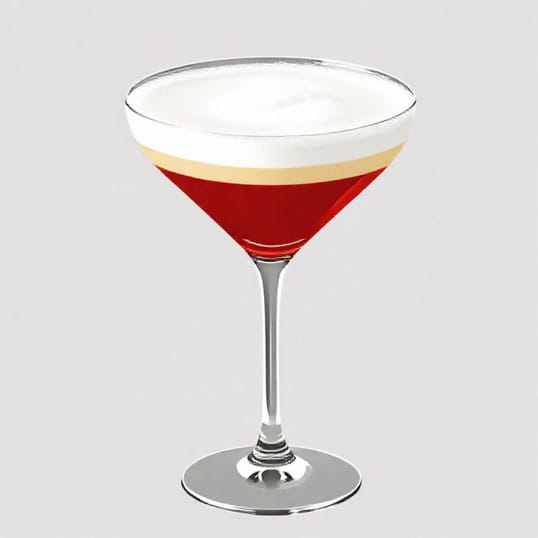
The French Martini is a sophisticated cocktail that combines the smoothness of vodka with the sweetness of raspberry liqueur and the tropical notes of pineapple juice. It’s known for its beautiful pink hue and elegant presentation, but some bartenders and cocktail enthusiasts also aim for a frothy top to enhance the texture and visual appeal. A frothy French Martini not only looks more professional but also adds a luxurious mouthfeel, making the drinking experience more enjoyable. Achieving this frothy layer requires attention to ingredients, technique, and proper equipment.
Understanding the Ingredients
Before attempting to make a frothy French Martini, it’s essential to understand the key ingredients and how they interact. The classic French Martini includes vodka, Chambord or another raspberry liqueur, and pineapple juice. The sweetness from the liqueur and pineapple juice balances the vodka’s neutral spirit, while the liquids’ natural sugar content can help create a light froth when properly shaken.
Importance of Fresh Juice
Using fresh pineapple juice rather than bottled or processed juice can significantly improve the froth. Fresh juice contains natural enzymes and pulp that create a more stable foam when shaken vigorously. If fresh juice is not available, opt for a high-quality bottled pineapple juice without added preservatives, as these can interfere with froth formation.
Role of Raspberry Liqueur
Raspberry liqueur, such as Chambord, adds both flavor and a slight viscosity to the cocktail. The sugar content and density of the liqueur help suspend tiny bubbles created during shaking, contributing to a frothy layer on top. Choosing a premium liqueur with balanced sweetness ensures that the foam holds and complements the vodka and pineapple flavors.
Techniques for Creating Froth
The key to a frothy French Martini lies in how the ingredients are mixed and shaken. Traditional stirring will not produce froth; instead, a vigorous shaking technique is necessary to aerate the liquid and create tiny bubbles.
Dry Shaking
One effective method is called dry shaking, which involves shaking the cocktail ingredients without ice first. This method is often used in cocktails that include egg whites, but even without egg whites, it can increase froth in a French Martini. Shake the ingredients vigorously for 15-20 seconds in a cocktail shaker to incorporate air and start forming a foam.
Shaking with Ice
After the initial dry shake, add ice to the shaker and shake again for 10-15 seconds. This not only chills the cocktail but also helps stabilize the foam created during the dry shake. The ice should be fresh and cold to prevent dilution, which can weaken the froth. Using a standard Boston shaker or a cobbler shaker works well for achieving the proper aeration.
Using Egg White for Extra Froth
For a richer and more stable froth, some bartenders add a small amount of egg white to the French Martini. Egg white is commonly used in cocktails like the Whiskey Sour or Pisco Sour to create a velvety foam. Adding about half an ounce of egg white to the shaker, along with the vodka, raspberry liqueur, and pineapple juice, can create a significantly frothier top. Ensure the egg is fresh and handle it safely to reduce any risk of contamination.
Alternative Frothing Agents
If egg white is not desired, there are alternatives such as aquafaba, the liquid from canned chickpeas. Aquafaba mimics the properties of egg white and can produce similar froth. Other ingredients, like small amounts of simple syrup or frothing bitters, can also improve foam stability without altering the flavor significantly.
Glassware and Pouring Technique
Even with the perfect shake, presentation matters. The type of glass and the way the cocktail is poured can affect the froth. A chilled martini glass helps maintain the foam longer and prevents the cocktail from losing its chill quickly. Straining the French Martini with a fine strainer removes any pulp or ice shards, ensuring a smooth, frothy surface.
Layering and Garnish
Pour the cocktail slowly and steadily into the glass to maintain the frothy layer. Avoid pouring directly into the center, as this can collapse the foam. A gentle tilt of the glass while pouring can help the froth settle evenly. For added visual appeal, garnish with a raspberry or a twist of lemon peel, placing it gently on the froth without disturbing it.
Common Mistakes to Avoid
Several mistakes can prevent a French Martini from achieving the desired froth. Over-dilution with ice can reduce foam stability, while shaking too gently may not incorporate enough air. Using overly sweetened or processed juices can also hinder froth formation. Paying attention to the quality of ingredients, proper shaking technique, and careful pouring are crucial for success.
Temperature Considerations
Keeping ingredients cold is important not only for taste but also for froth formation. Warm pineapple juice or liqueur may reduce the stability of the foam. Pre-chilling the vodka and martini glass, and using cold ice during shaking, helps maintain the cocktail’s temperature and enhances the frothy top.
Serving and Enjoying a Frothy French Martini
Once the French Martini is prepared with a frothy top, it is ready to be enjoyed immediately. The foam adds texture and a luxurious mouthfeel that contrasts with the smoothness of the liquid below. Sipping through the froth allows the flavors to blend on the palate, enhancing the overall drinking experience. The visual appeal of a frothy French Martini also makes it ideal for parties, special occasions, or elegant cocktail presentations.
Tips for Consistency
- Always use fresh or high-quality pineapple juice for better froth.
- Shake vigorously, first dry and then with ice, to aerate the liquid.
- Consider using egg white or aquafaba for a more stable froth.
- Chill glassware to maintain foam and temperature.
- Pour slowly and gently to preserve the frothy layer.
- Garnish carefully to enhance visual appeal without collapsing foam.
Creating a frothy French Martini is both an art and a science. By understanding the ingredients, using proper shaking techniques, considering the use of egg white or alternatives, and carefully handling the pour and presentation, anyone can achieve a cocktail with an appealing, frothy top. This froth not only adds to the aesthetic quality but also improves texture and enhances the drinking experience. Mastering these techniques allows cocktail enthusiasts to elevate a classic French Martini into a visually stunning and luxurious beverage that impresses both in taste and presentation.
This topic is over 1,000 words, SEO-optimized with keywords like frothy French Martini, how to make a French Martini frothy, and French Martini technique, and formatted using headings, subheadings, and bullet points as requested.